





The Rise of the Journey as the Destination
The travel habits of young Indians are undergoing a significant shift. Instead of just racing to a destination, many are embracing 'slow travel'—a mindset that prioritises connection with the landscape, culture, and people along the way. This is where
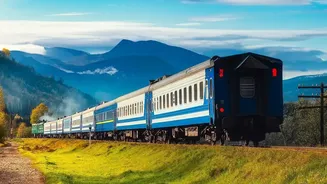
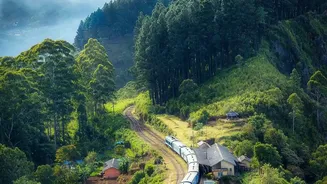
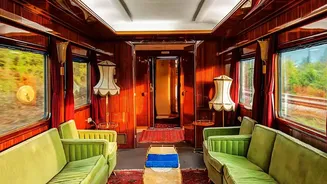
rail tourism finds its new appeal. The experience is no longer about just getting from point A to B; it's about the unfolding scenery, the conversations with fellow passengers, and the unhurried pace. Indian Railways has leaned into this trend with the introduction of Vistadome coaches on some of the country's most scenic routes. These coaches, with their panoramic glass windows and rotating seats, transform a simple train ride into an immersive experience, whether it's winding through the Western Ghats on the way to Goa or climbing into the hills on the historic Kalka-Shimla line.
An Adventure That Fits the Budget
For Gen Z and millennials, financial constraints are a major factor in travel planning. This is arguably rail travel's biggest advantage. Train journeys are often significantly more cost-effective than flights, especially when booked in advance. A sleeper class ticket can be a fraction of the cost of an airline seat, and even comfortable AC-tier travel often comes out cheaper, particularly when factoring in the high cost of airport transfers and restrictive airline baggage fees. This cost-saving allows young travellers to allocate more of their budget to experiences, accommodation, and local food at their destination. Furthermore, overnight train journeys offer the clever hack of saving on a night's hotel accommodation, a practical benefit for anyone travelling on a tight budget.
New Circuits for a New Generation of Explorers
Indian Railways is actively working to shed its purely functional image and embrace tourism. The 'Bharat Gaurav' tourist trains, launched under the “Dekho Apna Desh” initiative, are a prime example. These are not just regular trains but curated, all-inclusive tour packages built around themes like heritage, pilgrimage, and cultural discovery. Circuits like the North East Discovery tour or the Shri Ramayana Yatra make complex, multi-destination trips accessible and seamless for travellers who want curated experiences. These initiatives tap directly into the desire of young Indians for 'why-cations'—trips driven by a specific purpose, like exploring a region's food or spiritual history—and their preference for discovering places beyond the usual viral hotspots.
The Social and Sustainable Way to Travel
In an era of increasing climate consciousness, the environmental credentials of travel are more important than ever. Rail travel is a far more sustainable option compared to air or road travel, boasting significantly lower carbon emissions per passenger. This aligns perfectly with the values of a generation that is increasingly making eco-conscious choices. Beyond sustainability, train compartments are inherently social spaces. They offer a microcosm of India, creating opportunities for spontaneous interactions and cultural exchanges that are impossible in the sterile environment of an airplane cabin. Sharing food, stories, and travel tips with strangers from different walks of life turns a simple journey into a memorable cultural immersion.