








The Scale of Post-Harvest Losses
Every year, India loses an immense volume of agricultural produce due to inefficiencies in its supply chain. For perishable goods like fruits and vegetables, this loss can be as high as 30-40%. The problem starts right after harvest and continues through
storage and transportation. Key reasons include inadequate scientific storage facilities at the farm level, gaps in the cold chain (refrigerated transport and warehousing), and inefficient handling. This spoilage has a direct economic cost, amounting to over ₹1.5 lakh crore annually, and also carries a significant environmental footprint in wasted resources like water and energy.
The All-Seeing Cold Chain with IoT
One of the most powerful tools in this fight is the Internet of Things (IoT). By embedding sensors in storage containers, warehouses, and reefer trucks, companies can monitor crucial conditions in real-time. These sensors track temperature, humidity, and even shock or vibration levels throughout the journey. If temperatures deviate from the safe range, an alert is automatically triggered, allowing logistics operators to take immediate corrective action. This constant visibility prevents spoilage that would otherwise go undetected until it's too late, ensuring produce quality is maintained from the farm gate to the city market. Startups like WayCool are focused on minimising handling and storage to further reduce loss.
AI for Smarter Logistics and Demand
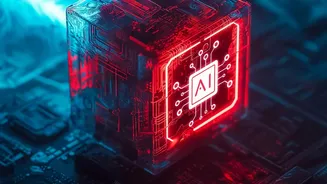
Artificial intelligence (AI) is adding a layer of predictive power to the supply chain. AI algorithms can analyze historical data, weather patterns, and market trends to forecast demand in major metros with greater accuracy. This helps prevent situations where supply drastically exceeds demand, a common cause of waste for perishable items. Furthermore, AI optimizes logistics by planning the most efficient transport routes, factoring in traffic and weather conditions to reduce transit time. Studies suggest that AI integration can cut energy consumption in cold chains by 20-25% and reduce merchandise loss by up to 30%.
Blockchain Creates a Chain of Trust
How can a consumer in a metro be sure of the origin and quality of their food? Blockchain technology provides the answer by creating a transparent and tamper-proof digital ledger. Every step in the supply chain, from the farmer recording a harvest date to a processor adding quality check results, is logged as a secure 'block'. This creates end-to-end traceability, allowing retailers and consumers to verify the product's journey. In case of a quality issue or recall, the exact source can be identified in moments. This not only builds consumer confidence but also helps farmers who follow best practices get better value for their verified, high-quality produce.
Connecting Farmers Directly to Markets
Beyond complex technologies, digital platforms are streamlining the entire ecosystem by connecting farmers directly with buyers. This disintermediation reduces the number of times produce is handled, which is a major factor in spoilage. Platforms like AgriBazaar connect farmers to a wider market, ensuring better price discovery and reducing dependency on local intermediaries. Other innovative startups are focusing on upcycling food that would otherwise be wasted. For example, Delhi-based Wastelink converts surplus and rejected food items into nutritious animal feed, creating a circular economy.