

The Challenge of Lunar Ice
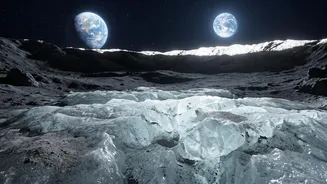
The ice at the Moon's South Pole, located in permanently shadowed craters where temperatures are some of the coldest in the solar system, isn't just frozen water. It's a mixture that has been sitting for potentially billions of years, mingled with lunar
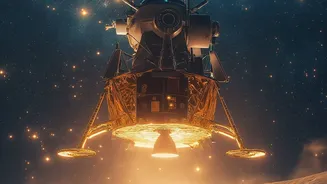
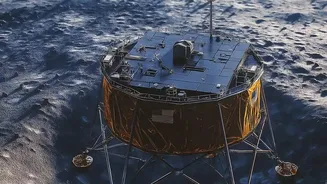
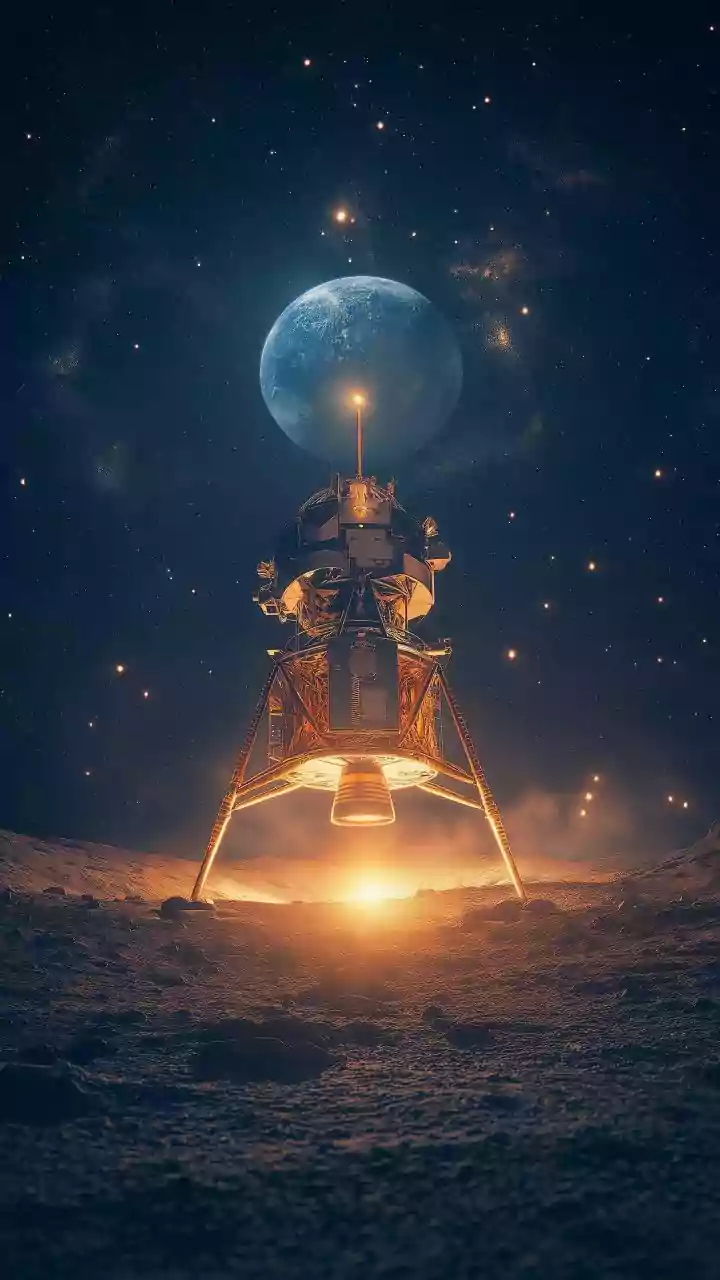
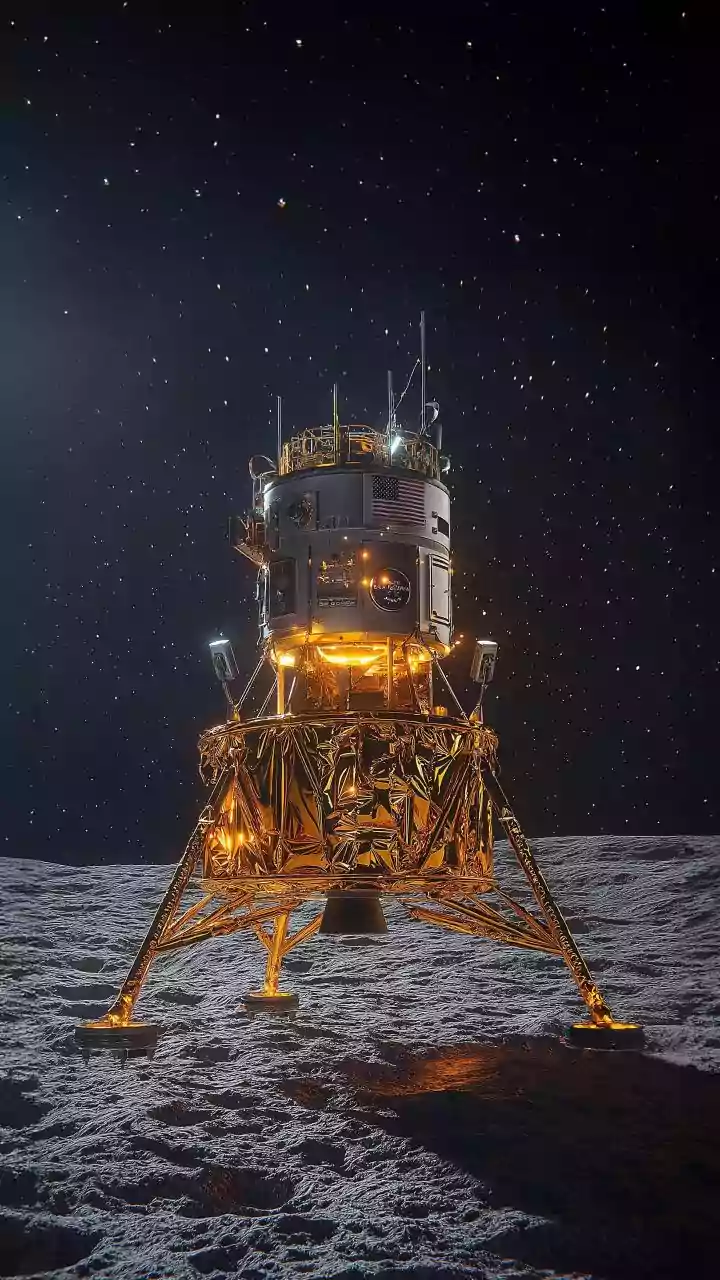
regolith—abrasive, razor-sharp dust—and other volatile compounds and minerals. Scientists also expect to find traces of materials delivered by comets and asteroids over eons. Furthermore, studies show that exhaust from lunar landers can spread rapidly, potentially contaminating these ancient ice deposits with compounds like methane. Before astronauts can take a sip, all these impurities must be removed.
Step One: Getting the Ice Out
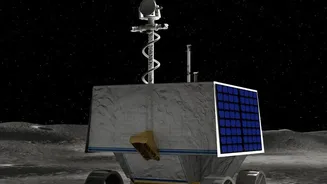
The first step is mining. Future missions, once guided by the now-canceled VIPER rover, will involve drilling into the lunar surface to extract the icy regolith. This material would be heated in a sealed container. In the vacuum of space, the ice won't melt into a liquid but will sublimate, turning directly into water vapor. This initial heating process serves as the first separation stage, leaving the heavier regolith dust and rocks behind while the water vapor is collected.
From Vapor to Potable Water
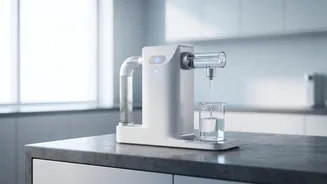
Once collected, the water vapor must be purified. NASA and its partners are exploring several advanced technologies to accomplish this. Many concepts are based on the multi-stage filtration and distillation systems already used on the International Space Station (ISS), which can recycle up to 93% of wastewater from sources like astronaut breath, sweat, and urine. One promising approach involves membrane distillation, where the vapor is passed through a specialized nanoscale membrane. This membrane has tiny pores that trap a layer of air, allowing only water molecules to evaporate and re-condense on the other side, leaving virtually all impurities behind.
Innovative New Technologies
Engineers are also developing novel solutions specifically for the lunar environment. The Aqualunar Challenge, a competition run by the UK and Canadian space agencies, has spurred several innovative ideas. One winning concept, the SonoChem System, uses powerful sound waves (ultrasound) to create tiny, high-pressure bubbles in the water. The collapse of these bubbles generates highly reactive free radicals that destroy contaminants. Another concept involves using microwaves to melt the ice and supercritical water oxidation, a process that heats water to a state where it's neither liquid nor gas, to remove all impurities in a single step.
Testing for a Lunar Future
These systems are being rigorously tested on Earth in simulated lunar environments and in space. For instance, NASA has tested mobile wastewater treatment facilities connected to analog habitats that mimic the conditions astronauts will face. The goal is to develop systems that are not only effective but also lightweight, energy-efficient, and low-maintenance—critical factors when every kilogram of cargo launched to the Moon costs thousands of dollars. The technology must be robust enough to operate with minimal astronaut intervention.
More Than Just a Drink
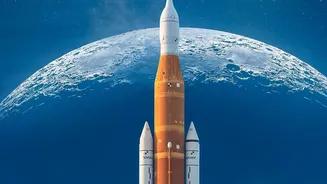
The ability to produce clean water on the Moon is fundamental to NASA's Artemis program and the goal of establishing a permanent human presence. Purified water isn't just for drinking and rehydrating food. Through a process called electrolysis, it can be split into its constituent elements: oxygen for breathable air and hydrogen for rocket propellant. This in-situ resource utilization (ISRU) could turn the Moon into a crucial refueling station and a stepping stone for future crewed missions to Mars and beyond.