





The End of the Cardio Queen Era
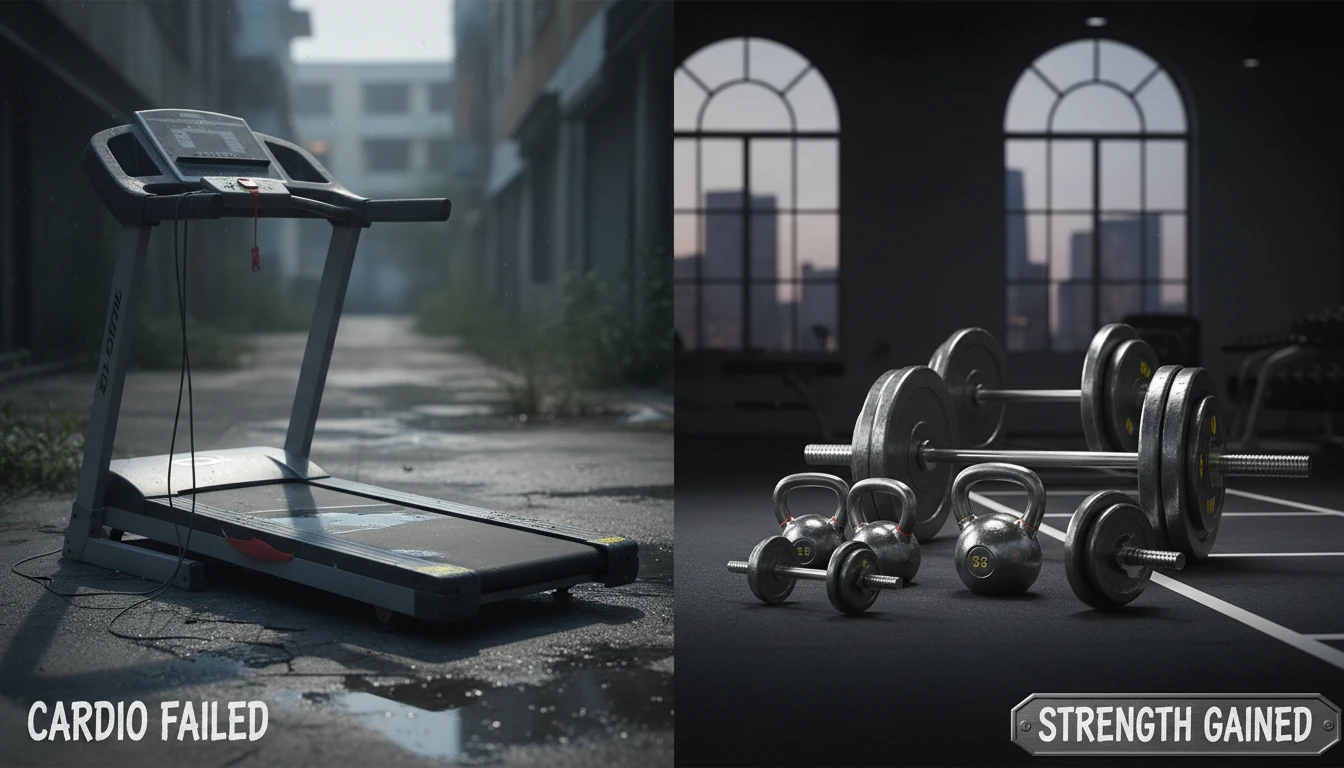
For decades, the path to fitness for many women was paved with long-duration, steady-state cardio. The goal was often singular: burn as many calories as possible. But a significant shift is underway. Recent data highlights a decline in participation in cardio-centric
activities like group cycling and high-intensity bootcamps. In their place, strength training is surging in popularity, becoming a cornerstone of female fitness. This isn't just a fleeting trend but a fundamental reset in how women approach exercise, moving away from the sole pursuit of calorie burn and towards building resilience, strength, and long-term health.
More Results in Less Time
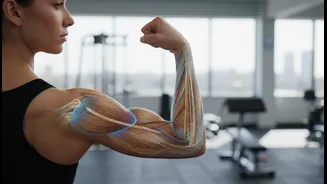
One of the primary drivers of this change is efficiency. Shorter strength sessions often provide a bigger metabolic bang for your buck. While cardio burns calories during the workout, strength training builds metabolically active muscle tissue. This means your body burns more calories at rest, a state known as an elevated basal metabolic rate (BMR). Furthermore, resistance training triggers a phenomenon called excess post-exercise oxygen consumption (EPOC), or the "afterburn effect." Your metabolism can remain elevated for hours, and sometimes even days, after a session as your body repairs and builds muscle. This makes strength training a highly effective tool for improving body composition over time.
A New Definition of Fitness
The goals are changing, too. The conversation has evolved from being 'skinny' to being 'strong'. Millennial and Gen Z women, in particular, are rewriting the script, moving past outdated gender stereotypes that coded cardio as feminine and weights as masculine. The focus is now on functional strength—the ability to handle daily tasks with ease, prevent injury, and feel capable and empowered. This mindset shift celebrates what the body can do rather than just how it looks. Gaining strength often translates directly to a boost in confidence and a more positive body image, benefits that extend far beyond the gym.
Building a Foundation for Life
The long-term health benefits of strength training are undeniable, especially for women. Resistance exercise is one of the most effective ways to build and maintain bone density, which is crucial for preventing osteoporosis, a condition to which women are at a higher risk. It also supports hormonal health, particularly during perimenopause and menopause, and improves essentials like balance and mobility, which are key to maintaining independence with age. Even heart health gets a boost; studies show that women who engage in regular resistance training have a significantly lower risk for cardiovascular disease.
What a Short Session Looks Like
Embracing this trend doesn't require hours in the weight room. An effective session can be done in just 20 to 30 minutes, two to three times a week. The key is to focus on compound movements, which work multiple muscle groups simultaneously. Exercises like squats, deadlifts, push-ups, and overhead presses are incredibly efficient. A simple structure could involve a brief warm-up, followed by three or four compound exercises for 3-4 sets each, and a cool-down. The emphasis should always be on proper form over lifting heavy, especially when starting out. This consistent, focused approach is what yields lasting strength and health benefits.