



For generations, refined flour or 'maida' has been a staple in Indian kitchens. But as we seek healthier lifestyles, many are rediscovering ancestral millets. This shift is more than a trend; it's a return to sustainable, nutrient-dense foods.
Rediscovering India's Ancestral Grains
Before wheat
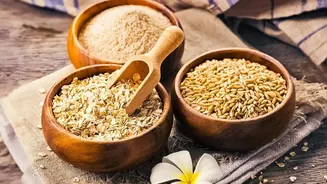
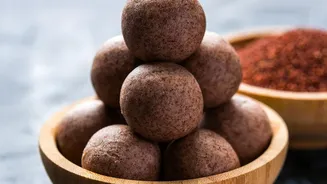
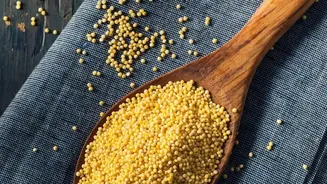
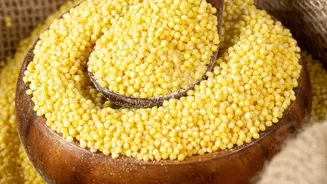
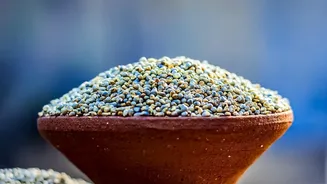
and rice dominated our fields and plates after the Green Revolution, a diverse range of millets were the bedrock of the Indian diet. Grains like jowar (sorghum), bajra (pearl millet), ragi (finger millet), and foxtail millet are not new health fads; they are 'ancestral grains' that have nourished our population for thousands of years. Unlike refined flours, which are heavily processed, millets are whole grains. This means they retain their nutrient-packed outer layers—the bran and germ—which are stripped away from refined products, leaving little more than starch. The renewed interest in these grains, often called 'nutri-cereals', is a recognition of their superior nutritional profile and their deep roots in our culinary heritage.
The Nutritional Powerhouse vs. Empty Calories
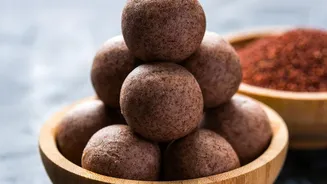
The nutritional gap between millets and refined flour is vast. Refined flour offers 'empty calories'—it provides energy but lacks significant nutrients, causing rapid spikes in blood sugar. Millets, in contrast, are nutrient-dense. They are packed with protein, essential minerals like iron, magnesium, and phosphorus, and are a fantastic source of vitamins. For instance, ragi is exceptionally rich in calcium, crucial for bone health, while bajra is a great source of iron. Furthermore, millets have a lower glycemic index compared to refined wheat, which helps in managing blood sugar levels by ensuring a slower release of glucose into the bloodstream. This makes them an excellent choice for sustained energy without the subsequent crash associated with refined carbs.
Your Gut's Unsung Hero
One of the most significant benefits of switching to millets is the profound impact on gut health. The key lies in their high dietary fibre content, which includes both soluble and insoluble types. Insoluble fibre adds bulk, promoting regular bowel movements and preventing constipation. More importantly, the soluble fibre in millets acts as a prebiotic. Think of prebiotics as food for the trillions of beneficial bacteria living in your gut. When these good bacteria feast on prebiotic fibre, they produce short-chain fatty acids (SCFAs) like butyrate, which strengthen the gut lining, reduce inflammation, and support overall immune function. A healthy gut microbiome influences everything from digestion to mental clarity and immunity, and a diet rich in high-fibre millets is one of the best ways to nurture it.
A Sustainable Choice for a Healthier Planet
The term 'sustainable nutrition' refers to food that is healthy for us and for the environment, and millets are a prime example. These grains are celebrated as 'climate-smart' crops. They are remarkably resilient, capable of thriving in harsh conditions, including high temperatures and poor soil, where wheat and rice might fail. Crucially, millets have a very low water footprint. Studies show it takes significantly less water to produce one kilogram of millets compared to rice or wheat, a vital advantage in a water-stressed country like India. They also require minimal chemical fertilisers and pesticides, which reduces their carbon footprint and promotes agricultural biodiversity. By choosing millets, you are not just making a healthier choice for your body, but also supporting a more sustainable and resilient food system.
How to Make the Switch Seamlessly
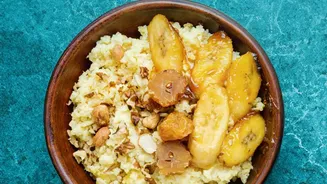
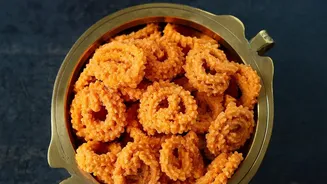
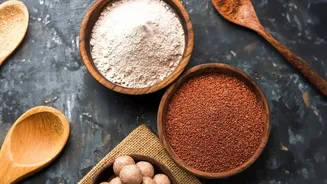
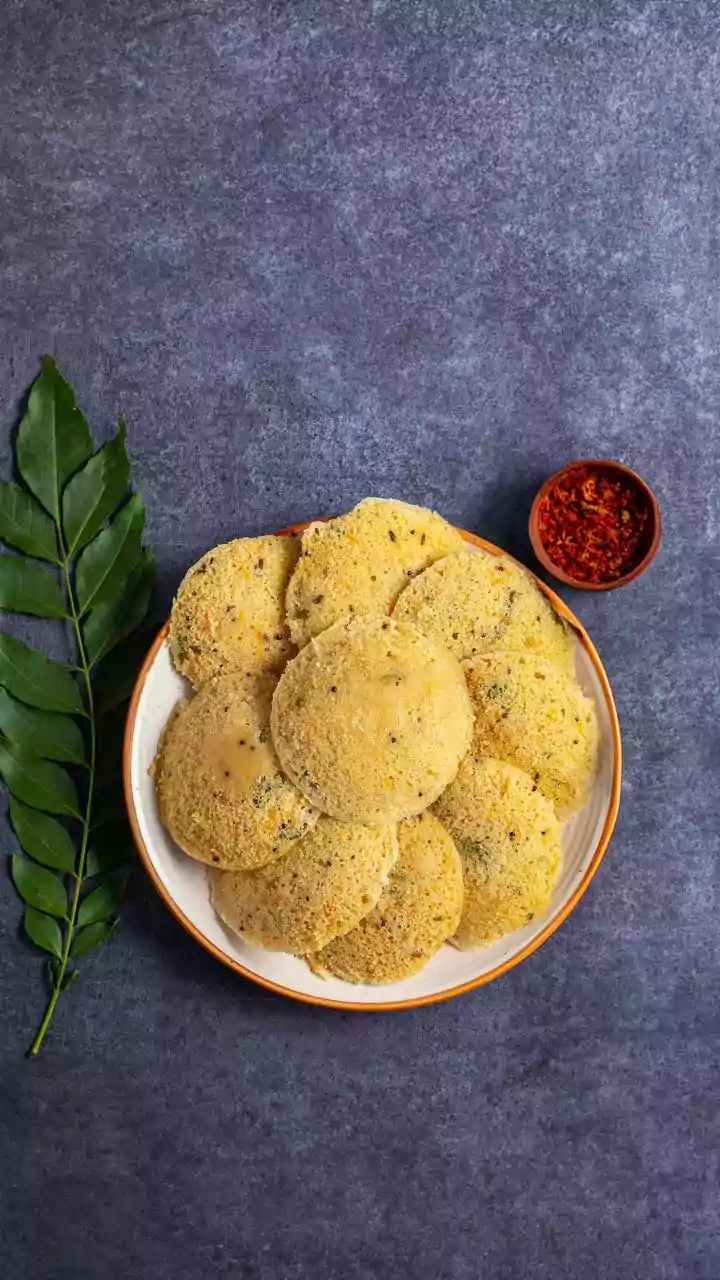
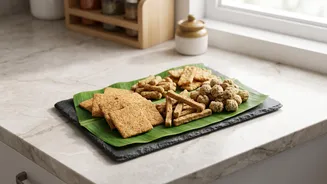
Transitioning from refined flour to millets can be simple and delicious. You don't need to make a drastic overnight change. Start by introducing millets into one meal a day. You can mix millet flour with your regular wheat atta to make rotis, gradually increasing the proportion of millet. Millet flours are incredibly versatile and can be used to make everything from dosa and idli to pancakes and baked goods. Try making porridge with foxtail millet for breakfast or replacing white rice with kodo or little millet for lunch. Exploring these grains opens up a new world of textures and flavours while providing immense health benefits for you and your family.