

From Special Occasion to Weeknight Staple
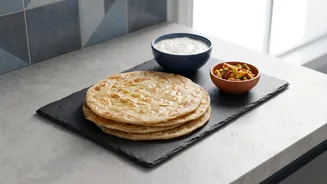
For generations, the soundtrack of the Indian home kitchen has been the gentle puff of the phulka and the rhythmic flipping of the chapati. These simple, unleavened whole-wheat breads are the foundation of daily meals across much of the country. Breads
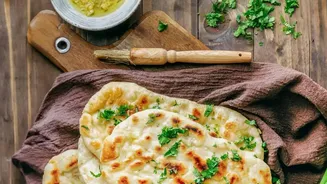
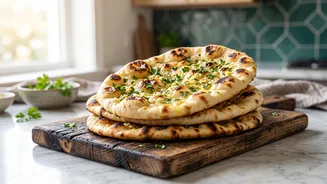
like naan and kulcha, made with refined flour (maida) and leavening agents like yeast, traditionally held a different status. They were the stars of restaurant menus and festive feasts, breads that required a tandoor and a level of skill most home cooks didn't pursue for a regular Tuesday night dinner. Historically, their association with the royal courts of the Mughals and the specialised heat of a clay oven placed them firmly in the 'special occasion' category for centuries.
The Lockdown Effect: Upskilling the Home Chef
A significant catalyst for this shift was the global pandemic. With restaurants closed during extended lockdowns, the desire for comfort food and variety didn't disappear. Instead, kitchens across India transformed into culinary laboratories. People who had previously relied on eating out or ordering in began to invest time in honing their cooking skills. What once seemed daunting, like kneading a soft dough for naan or mastering the fermentation for a kulcha, became a welcome challenge. Social media feeds filled with successful attempts at everything from sourdough to focaccia art, demystifying the baking process and creating a sense of shared discovery. This period of forced domesticity awakened an inner chef in many, building a new layer of confidence and competence in the kitchen.
A Modern Kitchen and Accessible Ingredients
The trend isn't just about newfound skills; it's also about access. The modern Indian kitchen is better equipped than ever to tackle these recipes. While traditional tandoors remain rare, home cooks have discovered clever hacks using cast-iron tawas, pressure cookers, and even standard ovens to replicate that signature char and puff. Furthermore, the ingredients themselves are more readily available. High-quality refined flours, reliable instant yeast, and a variety of bread mixes and improvers are now common on supermarket shelves and online stores. Companies offer pre-packaged bread mixes that promise restaurant-style naan and kulcha in under an hour, lowering the barrier to entry for even the most hesitant cook.
The Influence of Digital Food Culture
You can't discount the power of a well-shot Instagram Reel or a clear YouTube tutorial. Digital creators and food bloggers have played a massive role in making restaurant-style breads feel achievable. They break down complex techniques into simple, visual steps, from creating a 'sourdough kulcha' with a tangy flavour to achieving the perfect garlic-butter glaze on a stovetop naan. This digital guidance provides not just recipes but also moral support, as home cooks can see others just like them succeeding. The viral nature of these trends encourages participation and transforms a solo cooking effort into a communal experience, further embedding these breads into the modern culinary repertoire.
Redefining the Everyday Meal
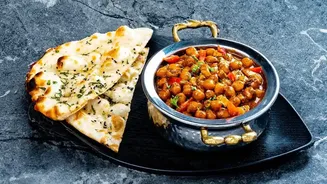
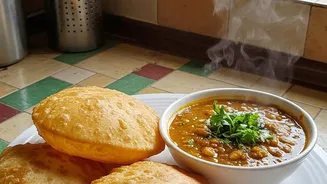
Ultimately, the inclusion of naan and kulcha in daily meals reflects a broader shift in Indian food culture. It speaks to a desire to elevate the everyday and find small moments of indulgence without needing a special occasion. Serving a homemade kulcha alongside a simple dal or sabzi changes the entire feel of the meal, turning a routine dinner into something more memorable. It redefines what 'comfort food' can be. While the humble roti will always be the backbone of the Indian thali, it now has company. The restaurant favourite has successfully migrated to the home, proving that with the right skills, tools, and a bit of inspiration, any night can be a special occasion.