





From Lonely Miles to Shared Steps
For years, the formula for urban fitness seemed set in stone: plug in your headphones, find a vacant treadmill, and grind out the kilometres. The gym, once the epicentre of Indian fitness culture, is facing a quiet rebellion. Young professionals and students,
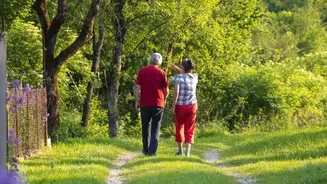
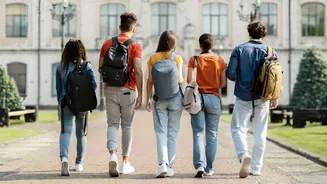
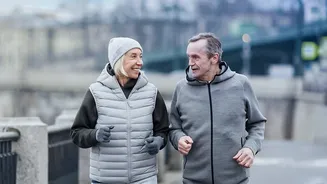
particularly those who have migrated to metros for work and education, are increasingly sidestepping the high-pressure, individualistic gym environment. They are trading the 'dreadmill' for something simpler and more profound: walking together. This isn't just about exercise; it's a cultural shift driven by a deeper need for genuine human connection in cities where loneliness is a growing concern.
The Search for a 'Third Place'
Sociologists talk about the 'third place' – a social environment outside of home and work where community is built. For previous generations, this might have been a local park, a community club, or a neighbourhood corner. For today's young urbanites, navigating high-pressure jobs and digital saturation, these spaces are harder to find. Walking and running clubs are organically filling this void. These groups, often organised informally through platforms like WhatsApp or Instagram, provide a low-stakes setting to meet people. Unlike a networking event or a dating app, the shared activity of walking provides an easy, natural starting point for conversation and friendship, helping to combat the feelings of isolation that are surprisingly common in bustling cities.
A Prescription for Mental Wellness
The move outdoors is also a powerful response to the mental fatigue of city life. Research consistently shows that 'green exercise'—physical activity in natural environments—offers significant mental health benefits over indoor workouts. Exposure to natural light boosts Vitamin D and serotonin levels, which can improve mood and reduce feelings of depression. The simple act of walking in a park or along a waterfront provides a variety of sensory inputs—the changing scenery, the sounds of nature, the feeling of fresh air—that help reduce stress, anxiety, and the cycle of negative thoughts known as rumination. It offers a mental reset that a sterile gym environment, with its artificial lighting and recycled air, simply cannot match.
Fitness That's Accessible and Affordable
Beyond the social and mental benefits, there's a practical appeal. Gym memberships can be expensive, and the environment intimidating for newcomers. Walking is free, requires no special equipment beyond a comfortable pair of shoes, and is accessible to almost all fitness levels. This lower barrier to entry makes it an attractive alternative. You don't need to be the fastest or fittest person to join a walking group. This inclusive nature fosters consistency; it's often easier to stick to a routine when you have a group of people expecting you. The walk often ends with a shared coffee or breakfast, seamlessly blending fitness into a broader social wellness culture.
Rediscovering the City, One Step at a Time
These walking groups also offer a unique way to explore the urban landscape. Groups like 'City Girls Who Walk Delhi' organise walks through parks, historical monuments, and different neighbourhoods, allowing members to engage with their city in a new way. It transforms the daily environment from a backdrop for a hectic commute into a place of discovery. For many young professionals who spend their days shuttling between home and office, it’s an opportunity to build a more meaningful relationship with their surroundings. This movement is more than just a fitness trend; it's a conscious choice to build a lifestyle that prioritises holistic well-being—combining physical movement, mental peace, and real-world community.