





The Science of Stress and Stillness
Exam season often triggers the body's 'fight-or-flight' response, flooding the system with stress hormones like cortisol. This can lead to anxiety, poor sleep, and a scattered mind, making it even harder to study effectively. Yoga and mindful stretching
provide a powerful antidote. These practices help activate the 'rest-and-digest' system, also known as the parasympathetic nervous system. Studies show that even short yoga sessions can lower cortisol levels, slow the heart rate, and reduce feelings of anxiety. By focusing on breath and movement, you give your brain a break from the cycle of worry, creating a state of calm that is ideal for learning and retaining information.
More Than Just a Stretch
While yoga is famous for improving flexibility, its benefits for students go much deeper. The link between physical balance and mental focus is strong. Poses that challenge your stability, like the Tree Pose, train your brain to concentrate on a single point, a skill that translates directly to longer, more productive study sessions. This practice of mindfulness—paying attention to the present moment without judgment—helps quiet distracting mental chatter. Regular practice increases blood flow to the brain, which can enhance memory and cognitive function, making it easier to tackle complex subjects and recall facts during an exam.
Five Fun and Easy Poses to Start
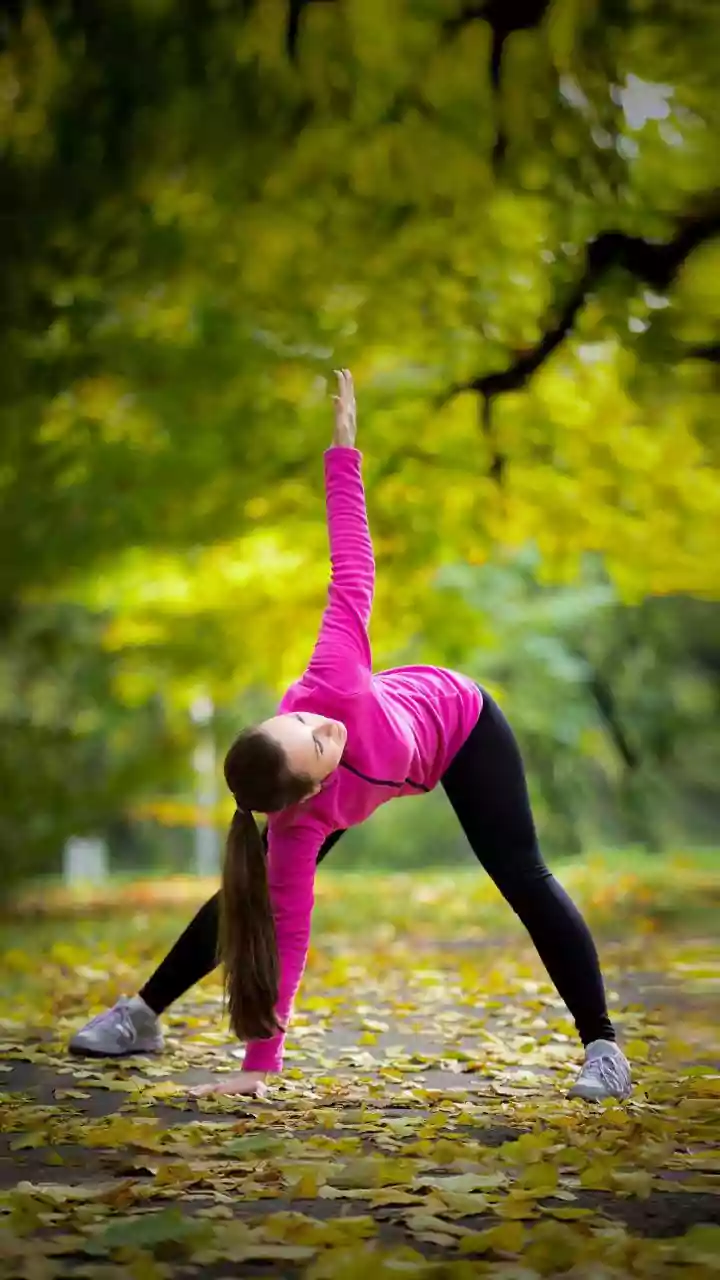
You don't need a yoga studio or special equipment to get started. These five simple poses can be done in a small space, even as a quick study break. Focus on matching your breath to your movements. 1. Cat-Cow Stretch: On your hands and knees, inhale as you drop your belly and look up (Cow). Exhale as you round your spine like a cat. This warms up the spine and releases tension from sitting. 2. Child's Pose: From your hands and knees, sit back on your heels and fold forward, resting your forehead on the floor. It's a deeply calming pose that quiets the mind. 3. Tree Pose (Vrikshasana): Stand on one leg, placing the sole of your other foot on your inner ankle or calf. Finding a non-moving spot to gaze at will help you balance and builds intense focus. 4. Seated Forward Bend (Paschimottanasana): Sit on the floor with your legs straight out. Inhale to lengthen your spine, and exhale to gently fold forward. This helps calm the nervous system and stretch hamstrings tightened by long hours of sitting. 5. Legs-Up-The-Wall Pose (Viparita Karani): Lie on your back and swing your legs up against a wall. This is an incredibly restorative pose that helps reduce fatigue and calm the mind before bed or after a long study session.
Building a Quick Pre-Study Routine
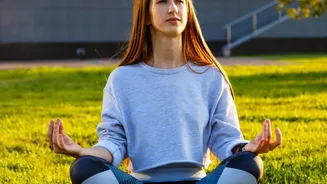
The key to making yoga work for you is consistency, not intensity. A simple 10-minute routine can be more effective than a long, infrequent session. Try this quick sequence before you open your textbooks to clear your mind and energize your body. Start by sitting comfortably and taking five deep breaths. Move into a few rounds of Cat-Cow to wake up your spine. Follow this with a minute of Tree Pose on each side to sharpen your focus. Finish with a gentle Seated Forward Bend to calm your nerves. This short practice resets your mind, releases physical tension from sitting, and prepares you to absorb new information with greater clarity. Just 15-20 minutes a day can lead to significant improvements in concentration and memory.