






Dressing for the Weather
The first rule of a functional wardrobe in India is climate consciousness. A beautiful polyester dress is useless in 40-degree heat. Fabric choice is paramount. For hot, dry summers, breathable and moisture-absorbing fabrics like cotton and khadi are
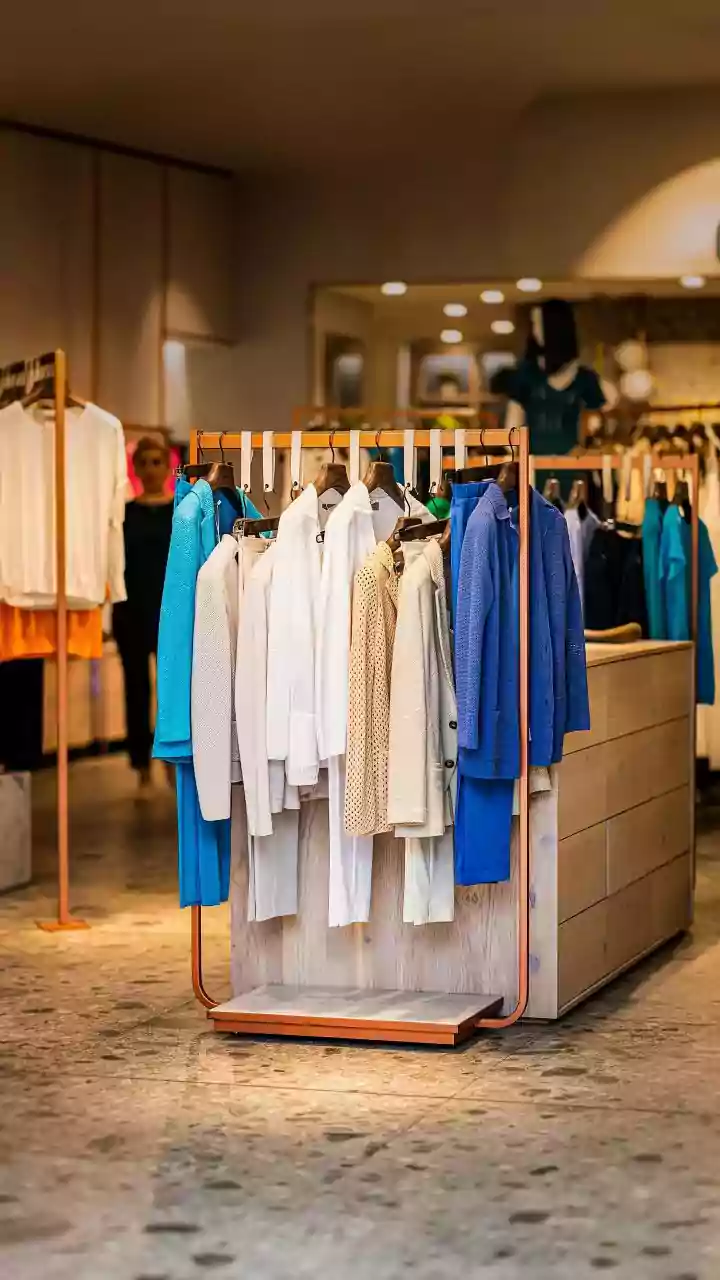
essential. They allow air to circulate and keep you cool. In humid coastal cities or during the monsoon, focus on materials that dry quickly and wick moisture away, such as linen, bamboo, or Tencel. Synthetics like polyester and nylon should generally be avoided as they trap heat and sweat, leading to discomfort. Beyond fabric, consider the weave and colour. A loosely woven fabric is more breathable than a tight one, and lighter colours reflect sunlight, keeping you cooler than dark shades. Layering is also a key strategy, especially during transitional seasons or when moving between scorching outdoors and heavily air-conditioned interiors. A lightweight overshirt or a scarf can be easily added or removed as temperatures change.
Decoding the Occasion
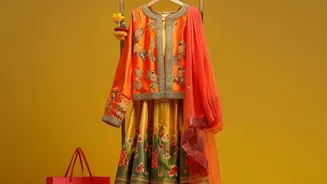
Once you've addressed the weather, the next filter is the occasion. Indian life involves a rapid shift between different contexts, from a formal office meeting to a casual brunch, a religious ceremony, or a lavish wedding. Understanding the dress code for each is crucial to feel appropriate and confident. For daily wear, comfort is key, with items like cotton kurtis, t-shirts, and relaxed trousers forming the foundation. For corporate settings, you might opt for tailored trousers, smart shirts, or formal sarees in muted tones. Festive celebrations like Diwali or weddings often call for more vibrant and embellished attire, such as silk sarees, lehenga cholis, or Anarkali suits. Religious ceremonies usually require modest and respectful clothing that covers shoulders and knees. The goal is to own versatile pieces that can be styled for multiple events. A simple white tunic, for instance, could be paired with trousers for work, worn as a dress for a casual outing, or accessorised for a small family function.
Calculating Frequency and Value
The final, and perhaps most transformative, step is to consider frequency. Before buying any new item, ask yourself: “How many times will I realistically wear this?” This question is the gateway to understanding the true value of your clothing through a concept called 'Cost Per Wear' (CPW). The formula is simple: divide the price of an item by the number of times you wear it. A trendy, occasion-specific outfit that costs ₹4,000 and is worn only once has a CPW of ₹4,000. In contrast, a high-quality, versatile pair of jeans that costs ₹3,000 but is worn 100 times has a CPW of just ₹30. This calculation shifts your mindset from focusing on the upfront ticket price to the long-term investment. It encourages you to spend more on high-frequency 'hero' pieces that form the backbone of your wardrobe—like a great coat, classic white shirts, or perfectly fitting trousers—and less on items destined for a single appearance. Adopting this logic not only saves you money but also promotes a more sustainable approach to fashion, reducing waste by ensuring every item in your closet earns its place.
Your Three-Step Wardrobe Audit
Putting this all together creates a powerful checklist for both shopping and decluttering. Before you make a purchase, run it through this three-question filter: 1. Weather: What season and climate is this fabric suited for? Is it breathable enough for summer or warm enough for winter? 2. Occasion: Where exactly will I wear this? Does it fit my professional, social, or festive needs? 3. Frequency: How many times will I realistically wear it in a year? Is the cost-per-wear justifiable? This simple audit transforms you from an impulsive buyer into a strategic wardrobe architect. It's the difference between a closet full of clothes and a closet full of outfits. By consciously choosing pieces that are practical for the climate, appropriate for your lifestyle, and offer excellent long-term value, you build a wardrobe that is not only stylish but also incredibly functional and stress-free.