


A Tale of Two Cities
To understand the animosity, you have to go back to the Industrial Revolution. In the 19th century, Manchester was a global hub for cotton production, nicknamed 'Cottonopolis'. Liverpool, just 56 kilometres away, was the mighty port city through which
Manchester’s raw materials arrived and finished goods were exported. The two cities were economically codependent, but a rivalry brewed. Manchester’s industrialists grew resentful of the high dues charged by the Port of Liverpool. Their solution was audacious: they built the Manchester Ship Canal, a 36-mile waterway allowing ships to bypass Liverpool entirely. When it opened in 1894, it turned the inland city of Manchester into a port of its own, cementing a deep-seated economic and cultural bitterness between the two northern powerhouses.
From Canals to Football Pitches
That civic tension quickly found a new battleground: football. Just three months after the Ship Canal opened, Liverpool FC played Newton Heath — the club that would become Manchester United. Liverpool won 2-0, relegating Newton Heath in the process. Over the next century, the clubs' fortunes ebbed and flowed, but the rivalry truly ignited in the 1960s. Under legendary managers Bill Shankly (Liverpool) and Matt Busby (Manchester United), the two clubs began trading league titles, becoming the dominant forces in English football. This was the era when the cities' long-standing competition for status finally became personified by their two most successful clubs. Suddenly, a football match was a proxy war for civic pride.
Dominance, Envy, and 'The Perch'
Liverpool dominated the 1970s and 1980s, winning 11 league titles and four European Cups between 1973 and 1990. Manchester United, despite their own cup successes, could only watch with envy. This period of Merseyside supremacy set the stage for the arrival of Alex Ferguson at Old Trafford in 1986. The fiery Scot made his mission crystal clear, famously stating his greatest challenge was 'knocking Liverpool right off their f*cking perch'. He succeeded spectacularly. Over the next two decades, Ferguson built a dynasty, winning 13 Premier League titles and surpassing Liverpool's record of 18 league championships. This direct challenge and reversal of fortunes poured fuel on an already raging fire.
Modern Flashpoints and Fierce Moments
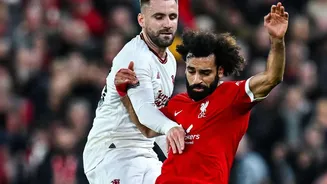
The rivalry is not just historical; it is consistently refreshed with on-pitch drama. From Steven Gerrard's infamous 38-second red card to his memorable camera kiss at Old Trafford, the fixture is rarely quiet. Controversies like the racial abuse incident between Luis Suárez and Patrice Evra in 2011, and the subsequent fallout, have added a bitter, personal edge. There's also an unwritten rule: no senior player has been transferred directly between the two clubs since Phil Chisnall in 1964. When Gabriel Heinze tried to move from United to Liverpool in 2007, Ferguson flatly refused, stating he wouldn't 'sell them a virus'. These moments, combined with stunning results like Liverpool's 7-0 demolition of United in 2023 and Mohamed Salah's hat-trick at Old Trafford in 2021, ensure the animosity is passed down through generations of fans.