



The Abode of Clouds
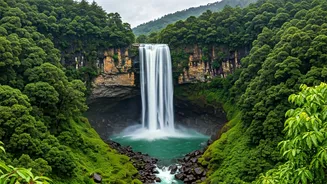
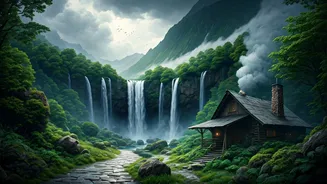
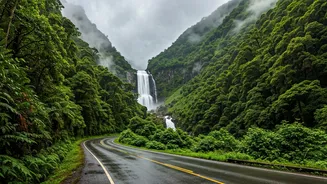
Meghalaya’s nickname is no mere poetry; it is a literal description. The state is home to Mawsynram and Cherrapunji (Sohra), two of the wettest places on Earth. This constant dialogue between rain and earth creates a landscape of unparalleled greenery
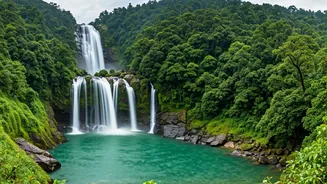
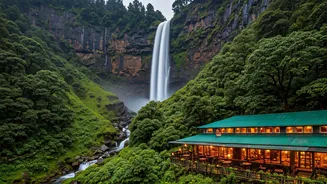
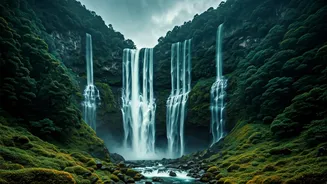
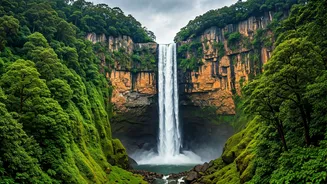
and drama. During the monsoon, waterfalls like Nohkalikai, India’s tallest plunge waterfall, and the Seven Sisters Falls become thunderous spectacles. In the post-monsoon months, the mist clears to reveal panoramic views from vantage points like Laitlum Canyons, offering a breathtaking perspective of the undulating Khasi hills. The weather itself is an experience, changing from bright sunshine to a thick, rolling fog in a matter of minutes, constantly transforming the scenery before your eyes.
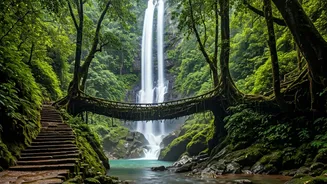
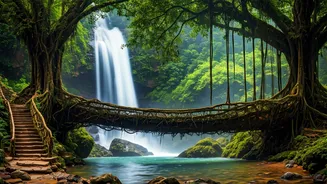
Marvels of Natural Engineering: The Living Root Bridges
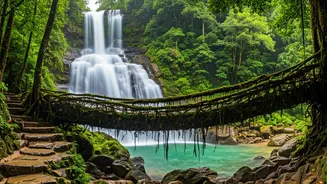
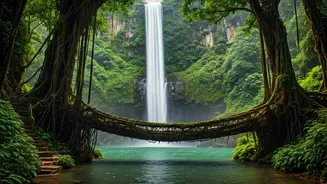
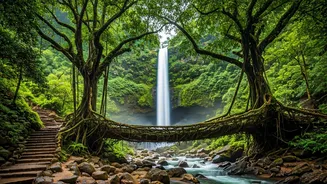
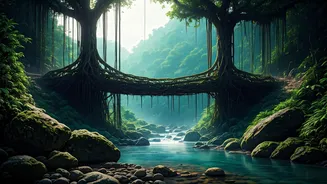
Perhaps nothing captures the spirit of Meghalaya more than its living root bridges. For centuries, the indigenous Khasi and Jaintia tribes have guided the aerial roots of the Ficus elastica (rubber fig) tree across rivers and streams, weaving them into sturdy, living structures. These bridges are grown, not built, in a process that can take 15 to 30 years. Unlike concrete bridges, they become stronger with time, withstanding the region's heavy rainfall and flash floods. The most famous of these is the magnificent double-decker root bridge in Nongriat village, a testament to a harmonious relationship between humans and nature. Reaching them often involves a rewarding trek through dense, tropical forests, adding a sense of adventure to the experience.
A River That Looks Like Glass: Dawki
A picture of a boat seemingly floating in mid-air is what often brings travellers to Meghalaya, and that magical sight is found on the Umngot River in Dawki. Located near the India-Bangladesh border, the water here is so astonishingly clear that the riverbed is visible from the surface. The best time to experience this surreal clarity is between November and February. A boat ride on the Umngot is a serene, unforgettable experience. Nearby, the village of Shnongpdeng offers riverside camping, kayaking, and other adventure activities, making it a perfect spot for both tranquility and thrills.
Shillong: The Scotland of the East
As the state's capital, Shillong is a vibrant hub that blends colonial-era charm with a modern, youthful energy. Often called the 'Scotland of the East', its rolling hills, pine forests, and pleasant climate make for a delightful urban retreat. Key attractions include the serene Ward's Lake, the multi-tiered Elephant Falls, and Shillong Peak, which offers panoramic views of the city. The city also has a thriving music scene and bustling markets like Police Bazaar, where you can shop for local handicrafts and savour delicious street food. The Don Bosco Museum provides a fantastic insight into the diverse cultures of Northeast India.
Into the Underworld: The Cave Systems
Beneath its lush green surface, Meghalaya hides another world: a vast network of caves. It is a dream destination for cavers and curious travellers alike, boasting some of the longest and most complex cave systems in India. Mawsmai Cave, near Cherrapunji, is one of the most accessible. It is well-lit, allowing visitors to marvel at the impressive stalactite and stalagmite formations. For the more adventurous, there are countless other caves to explore, such as Krem Puri, the world's longest sandstone cave, offering a raw, thrilling journey into the earth's depths.