


What Is Nutrient Bioavailability?
In the world of nutrition, you are not just what you eat; you are what you absorb. Bioavailability is the term for how much of a nutrient your body can actually take in and use after you've eaten it. Many factors affect this, including the food's structure,
your own health, and how different nutrients interact with each other. Plant-based foods are packed with vitamins and minerals, but some of these nutrients are harder for our bodies to access. This is often because of compounds like phytates and polyphenols, found in grains, legumes, and even tea, which can bind to minerals and prevent their absorption. This doesn't mean these foods are less healthy, but it does mean we can be smarter about how we eat them to get the most out of every bite.
The Science: Vitamin C’s Helping Hand
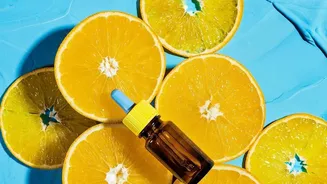
The headline's claim hinges on one of the most well-known partnerships in nutrition: Vitamin C and iron. Most of the iron in plant foods is a type called non-heme iron. Our bodies don't absorb this type as efficiently as the heme iron found in animal products. This is where Vitamin C, or ascorbic acid, comes in. When consumed in the same meal, Vitamin C works its magic in two ways. First, it helps convert the plant-based iron (ferric iron, Fe3+) into a form (ferrous iron, Fe2+) that your intestines can absorb much more easily. Secondly, it runs interference, preventing the iron from binding to those inhibitor compounds like phytates, keeping it soluble and ready for your body to use. The effect is significant; some studies show that adding Vitamin C can dramatically increase iron absorption from plant-based meals.
Key Plant Protein Sources in India
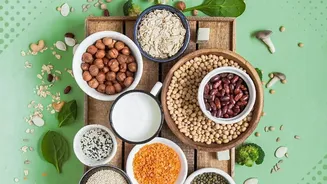
For many in India, plant proteins are the cornerstone of daily meals. These foods are not only rich in protein but also in iron, making them perfect candidates for this nutritional boost. Key sources include lentils (like masoor, toor, and moong dal), chickpeas (chana), kidney beans (rajma), and black-eyed peas (lobia). Other excellent options are soy products like tofu and tempeh, dark leafy greens such as spinach (palak), and various seeds and nuts. While these are all fantastic for health, remember that the iron they contain is the non-heme type that benefits from a Vitamin C companion to ensure you're getting its full strength.
Easy Ways to Add Vitamin C
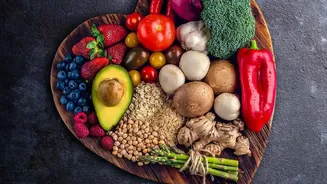
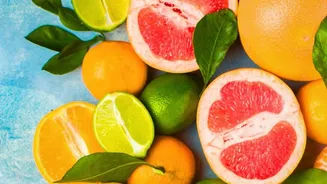
Boosting your Vitamin C intake is simple and delicious, as many common Indian ingredients are packed with it. The most obvious and versatile is the humble lemon (nimbu); a squeeze over your dal or sabzi is a classic move for a reason. Tomatoes, a base for countless curries and sauces, are another fantastic source. Don’t overlook vegetables like bell peppers (capsicum), broccoli, and cabbage. For a fruity kick, turn to amla (Indian gooseberry), oranges, strawberries, and melons. Incorporating these into your meals doesn't require a major diet overhaul. It's about making small, strategic additions that pay off in greater nutrient absorption.
Practical Pairings for Everyday Meals
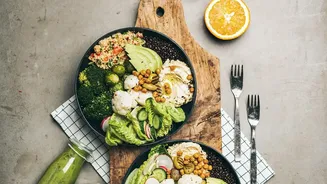
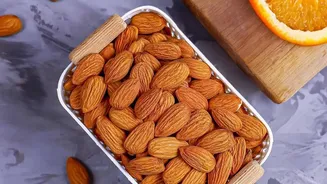
Putting this knowledge into practice is the fun part. Think about the meals you already love and how you can enhance them. For Breakfast: Have a bowl of oatmeal with a handful of strawberries. The iron in the whole grains gets a boost from the vitamin C in the berries. For Lunch: A classic chana masala or rajma curry is already on the right track with its tomato base. You can enhance it further by serving it with a side salad drizzled with lemon juice. A simple dal topped with a generous squeeze of fresh lime is another perfect pairing. For Dinner: If you're making a palak (spinach) dish, add some chopped tomatoes or bell peppers to the recipe. A tofu stir-fry becomes a nutritional powerhouse when you toss in broccoli and red bell peppers. Even snacks can be optimized. A handful of nuts or seeds with an orange is a quick and easy way to combine these synergistic nutrients.