



Puri sabzi is more than just a meal; it's a cherished memory for many, often saved for special occasions. But what if this delightful combination could be a regular feature on your table, without the associated guilt? It's possible.
The Wholesome Advantage of Whole Wheat
The primary difference
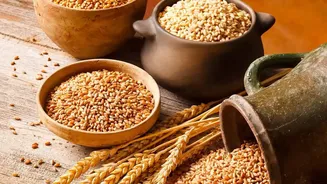
between the occasional puri and an everyday one lies in the flour. Traditionally, many recipes might use refined flour (maida) for a lighter, fluffier texture. However, the switch to 100% whole wheat flour, or atta, is a game-changer for nutrition. Unlike maida, which is stripped of the bran and germ during processing, whole wheat flour contains the entire grain. This means it's packed with dietary fibre, which is essential for good digestion and helps you feel full longer. This fibre also helps in managing blood sugar levels by slowing down energy release, preventing the sharp spikes associated with refined foods. Furthermore, whole wheat is a natural source of important nutrients like B vitamins, iron, and magnesium, all of which are largely lost in the refining process of maida.
From Indulgence to Everyday Practicality
Making puris with atta isn't just a health-conscious decision; it's a practical one. Atta is a staple in almost every Indian kitchen, readily available and familiar. Its heartier nature means that whole wheat puris are more satisfying and filling, which can naturally help with portion control. Instead of being a heavy, indulgent meal reserved for festivals, puri sabzi can become a balanced option for a weekend breakfast or a comforting weeknight dinner. The robust, slightly nutty flavour of whole wheat pairs wonderfully with a variety of sabzis, from the classic aloo masala to a protein-rich chana curry or a simple mixed vegetable stir-fry. This versatility allows you to bring a festive favourite into your regular meal rotation, making everyday cooking more exciting and nourishing.
Mastering the Art of Fluffy Atta Puris
A common concern when switching to whole wheat is that the puris might turn out dense or hard. However, with a few simple techniques, you can achieve that perfect puff every time. The secret lies in the dough. It needs to be kneaded into a firm, tight consistency—stiffer than a typical roti dough. A soft, loose dough will absorb too much oil during frying, making the puris greasy and preventing them from puffing up. Adding a small amount of semolina (sooji or rava) to the flour can provide extra crispness and help the puris hold their shape longer after frying. Similarly, incorporating a teaspoon of hot oil into the dough while kneading can result in a softer, flakier texture.
Technique Is Everything: Frying for Perfection
Once your dough is ready, the next critical step is the frying. The temperature of the oil is crucial. It should be hot but not smoking; a medium-high heat is ideal. A good way to test it is to drop a tiny piece of dough into the oil. If it sizzles and rises to the surface quickly, the oil is ready. When you slide the rolled puri into the kadhai, gently press it down with a slotted spoon for a few seconds. This pressure helps trap the steam inside, which is what causes the puri to puff up beautifully. Fry until it's golden brown on both sides, then remove it and let it drain on a paper towel. Also, avoid dusting the puris with dry flour while rolling, as the excess flour can burn in the oil. A little oil on the rolling surface works much better.