




Why Go Native? The Low-Maintenance Advantage
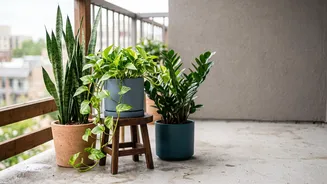
The secret to a successful, low-effort garden lies in choosing plants that are already suited to your environment. Native plants are species that have evolved in a specific region over thousands of years. This means they are naturally adapted to India's
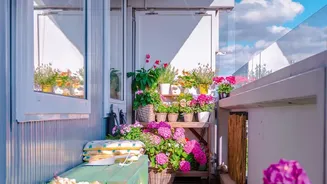
diverse climates, local soil conditions, and rainfall patterns. For the busy city gardener, this translates into significant practical benefits. They generally require less water, are more resistant to local pests and diseases, and rarely need chemical fertilisers to flourish. By selecting plants that are naturally happy in your area, you spend less time troubleshooting and more time enjoying the view. They also play a crucial role in supporting local ecosystems, providing food and shelter for native birds, butterflies, and bees, bringing a slice of nature right to your window.
A Fragrant Welcome: Jasmine (Mogra)
Known for its intoxicating fragrance that perfumes summer evenings, Jasmine, or Mogra, is a quintessential Indian plant. It's a hardy climber that does exceptionally well in pots and containers, making it perfect for balcony railings or a sunny window. Mogra thrives in the heat and produces an abundance of its iconic white blossoms with minimal fuss. It requires a spot with several hours of sunlight and moderate watering. Regular pruning after a flowering cycle encourages even more blooms, filling your home with its delightful and calming scent.
The Kitchen Essential: Curry Leaf (Kadi Patta)
Imagine stepping out to your balcony to pluck fresh leaves for your morning poha or evening dal. The Curry Leaf plant, or Kadi Patta, is a must-have for any Indian kitchen garden. It is remarkably low-maintenance and thrives in the warm, sunny conditions found in most Indian cities. Once established in a medium to large pot, it requires little more than regular sunlight and watering when the soil feels dry. Not only does it provide an instant supply of aromatic leaves, but the plant itself is resilient and easy to care for, making it a perfect starting point for new gardeners.
A Splash of Colour: Hibiscus (Gudhal)
For those who crave vibrant colour, the Hibiscus, or Gudhal, is an excellent choice. Its large, brilliant flowers in shades of red, pink, yellow, and orange are a common sight across India for a reason—they are both beautiful and hardy. Hibiscus plants are a magnet for pollinators like sunbirds and butterflies, adding life and movement to your urban garden. They love sunshine and can be grown easily in containers, provided they have good drainage. While they appreciate regular watering, they are tough enough to withstand occasional neglect, rewarding your minimal effort with spectacular blooms.
The Sacred Healer: Holy Basil (Tulsi)
No Indian home garden feels complete without the presence of Tulsi. Revered for both its spiritual significance and medicinal properties, it is also one of the easiest native plants to grow. Tulsi is known to be a natural pest repellent and air purifier. It thrives in small pots on a sunny windowsill or balcony, requiring at least a few hours of direct sunlight each day. Its resilience and compact size make it perfectly suited for urban living, offering a touch of tradition and wellness that fits into the busiest of lifestyles.
Festival Favourite: Marigold (Genda)
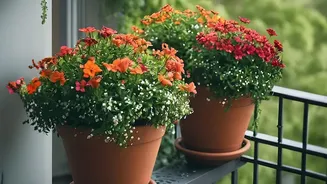
Bright, cheerful, and deeply woven into Indian culture, the Marigold is a fantastic addition for any city gardener. Beyond its use in festivals and decorations, Marigold is a famously low-maintenance flower that grows prolifically in pots. It acts as a natural pest deterrent, helping to protect other plants in your balcony garden. Marigolds love full sun and well-drained soil, and they will reward you with a continuous explosion of orange and yellow blooms, proving that a vibrant garden doesn't have to be a demanding one.