






Decoding India's Unilateral Offer
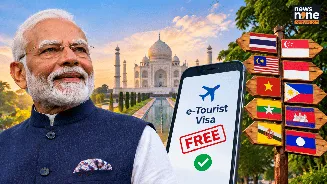
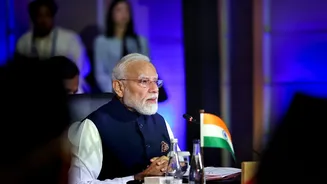
At the 23rd India-ASEAN Summit in Manila on November 17, 2026, Indian Prime Minister Narendra Modi announced a significant proposal: offering free electronic tourist visas to citizens from all 11 member countries of the Association of Southeast Asian
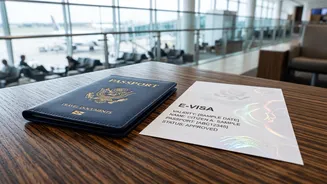
Nations (ASEAN). This bloc includes Brunei, Cambodia, Indonesia, Laos, Malaysia, Myanmar, the Philippines, Singapore, Thailand, Timor-Leste, and Vietnam. The move is part of India’s broader ‘Act East’ policy, designed to deepen economic and people-to-people ties with the region. It is important to note the distinction: this is an offer for a 'free e-visa', not 'visa-free entry'. This means tourists from these nations would still need to apply online for an e-visa, but the government fee, which can range from $10 to $25 for a 30-day visa, would be waived.
The Strategic Goal: Boosting Inbound Tourism
The primary driver behind this initiative is economic and diplomatic. By making travel to India more accessible and affordable, the government aims to attract a larger share of the burgeoning outbound tourism market from Southeast Asia. In 2025 alone, India received over 800,000 visitors from ASEAN countries, and this proposal is a clear strategy to increase that number significantly. The initiative is one of several proposals aimed at strengthening the India-ASEAN Comprehensive Strategic Partnership, which also include collaborations in maritime security, disaster management, and technology. By removing the cost barrier of a visa, India hopes to encourage more tourists to explore its cultural and religious sites, such as the Buddhist Circuit, which holds significant appeal for travellers from many ASEAN nations.
The Key Clarification: It's Not Reciprocal (Yet)
The central point of confusion for many Indian travellers is whether this gesture means they will receive automatic visa-free entry to all 11 ASEAN nations. The short answer is no. India's proposal is a unilateral offer, meaning it is a one-way gesture. It does not require an immediate or automatic reciprocal action from ASEAN countries. Each nation within ASEAN maintains its own sovereign visa policy and will decide independently whether to offer similar privileges to Indian passport holders. India's move can be seen as a form of diplomatic goodwill—an invitation for these countries to consider easing their own visa rules for Indians in the future. Essentially, India has made the first move in a longer conversation about travel liberalisation.
What is the Current Visa Status for Indians?
For Indian travellers, the visa landscape in Southeast Asia remains a patchwork of different policies. Several ASEAN countries already offer friendly visa options. For instance, Malaysia and Thailand have previously offered visa-free entry for short tourist stays, and Indonesia provides a visa-on-arrival service. Travellers to Vietnam and Cambodia can easily obtain an e-visa online. However, other countries like the Philippines still require a traditional sticker visa application in advance. It's also worth noting that India's new proposal aims to harmonise an existing policy. Currently, citizens from Indonesia, Myanmar, Malaysia, the Philippines, and Thailand already receive free 30-day Indian e-visas. The new plan would extend this benefit to the remaining six ASEAN countries: Brunei, Cambodia, Laos, Singapore, Timor-Leste, and Vietnam.
What Happens Next?
With India's proposal now on the table, the focus shifts to the individual ASEAN governments. There is no official timeline for the implementation of India's free e-visa scheme, and further details are awaited from the Indian government. Similarly, there is no timetable for when or if ASEAN nations will respond with reciprocal measures. Any changes to visa policies for Indians will be announced by the respective countries. This strategic move is a significant step towards fostering a stronger relationship, celebrating the upcoming 35th anniversary of ASEAN-India dialogue relations in 2027. Indian travellers should continue to check the specific visa requirements for their intended destination before making any travel plans, as the current rules remain in effect until any official changes are announced.