


Beyond the Nutrition Label
For decades, the formula for healthy eating seemed straightforward. We were taught to count calories, track macronutrients like protein, carbohydrates, and fats, and scan labels for vitamins and minerals. This approach turned our food choices into a numbers
game. In India, as wellness consciousness grew, this translated into a boom for high-protein bars, low-calorie snacks, and diet versions of popular foods. The focus was almost entirely on what was added or removed—more protein, less sugar, fewer calories. However, a growing body of evidence and increasing consumer awareness suggest that this is only part of the story. The very nature of how a food is manufactured, from a fresh apple to a packaged fruit-flavoured snack, may have a far greater impact on our health than its calorie count alone.
Understanding Food Processing: The NOVA System
Not all processing is bad. In fact, processes like pasteurising milk, canning vegetables, or freezing peas make food safer and more accessible. To help consumers understand the difference, researchers developed the NOVA classification system, which categorises food into four groups based on the extent of processing.
Group 1 is 'Unprocessed or Minimally Processed Foods'—think fresh fruits, vegetables, grains, legumes, meat, and milk.
Group 2 is 'Processed Culinary Ingredients', like oils, butter, sugar, and salt, which are extracted from Group 1 foods and used in kitchens.
Group 3 is 'Processed Foods', which are combinations of the first two groups. Examples include freshly baked bread, cheese, and canned fish. They are modified versions of whole foods.
Group 4 is the category causing concern: 'Ultra-Processed Foods' (UPFs). These are not just modified foods; they are industrial formulations created from substances extracted from foods or synthesised in labs.
What Makes a Food 'Ultra-Processed'?
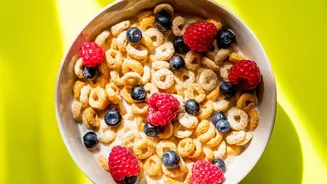
Ultra-processed foods often bear little resemblance to their whole-food origins. A key way to identify them is by reading the ingredient list. If it's long and contains substances you wouldn't use in a home kitchen, it’s likely a UPF. Look for industrial ingredients like high-fructose corn syrup, hydrogenated oils, protein isolates, and modified starches. Another red flag is the presence of cosmetic additives designed to make the product hyper-palatable—things like flavour enhancers, artificial colours, emulsifiers, and non-sugar sweeteners. In India, this category includes many popular items: instant noodles, packaged sweet biscuits, sugary breakfast cereals, chips, and many ready-to-eat meals and sauces.
The Health Concerns Driving the Shift
The growing focus on processing is fuelled by extensive research linking high consumption of UPFs to negative health outcomes. Studies have associated diets rich in these foods with an increased risk of obesity, heart disease, type 2 diabetes, and even some forms of cancer. These foods are often high in unhealthy fats, sugar, and salt while being low in fibre and essential micronutrients. Moreover, their industrial structure and additives can disrupt gut health and override our natural feelings of fullness, leading us to eat more. In India, where the disease burden from unhealthy diets is already significant, the rapid increase in UPF consumption is a major public health concern. Sales of processed foods in the country have grown exponentially, reshaping traditional dietary patterns.
How to Make Healthier Choices in India
Navigating this new landscape doesn't mean you have to give up all conveniences. The goal is to shift the balance of your diet back towards whole and minimally processed foods. Start by reading labels more critically. If you can't pronounce the ingredients or the list looks like a chemistry experiment, consider a simpler alternative. Prioritise cooking at home where you control the ingredients. Swap out instant gravy mixes for homemade masalas and packaged juices for whole fruits. Even small changes, like choosing plain yogurt and adding your own fruit instead of buying the flavoured, pre-sweetened kind, can make a significant difference. The aim isn't perfection but progress. By focusing on food quality over just numbers, you empower yourself to make truly nourishing choices for you and your family.