



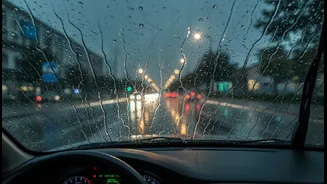
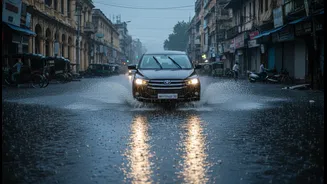


Ignoring Waterlogged Roads
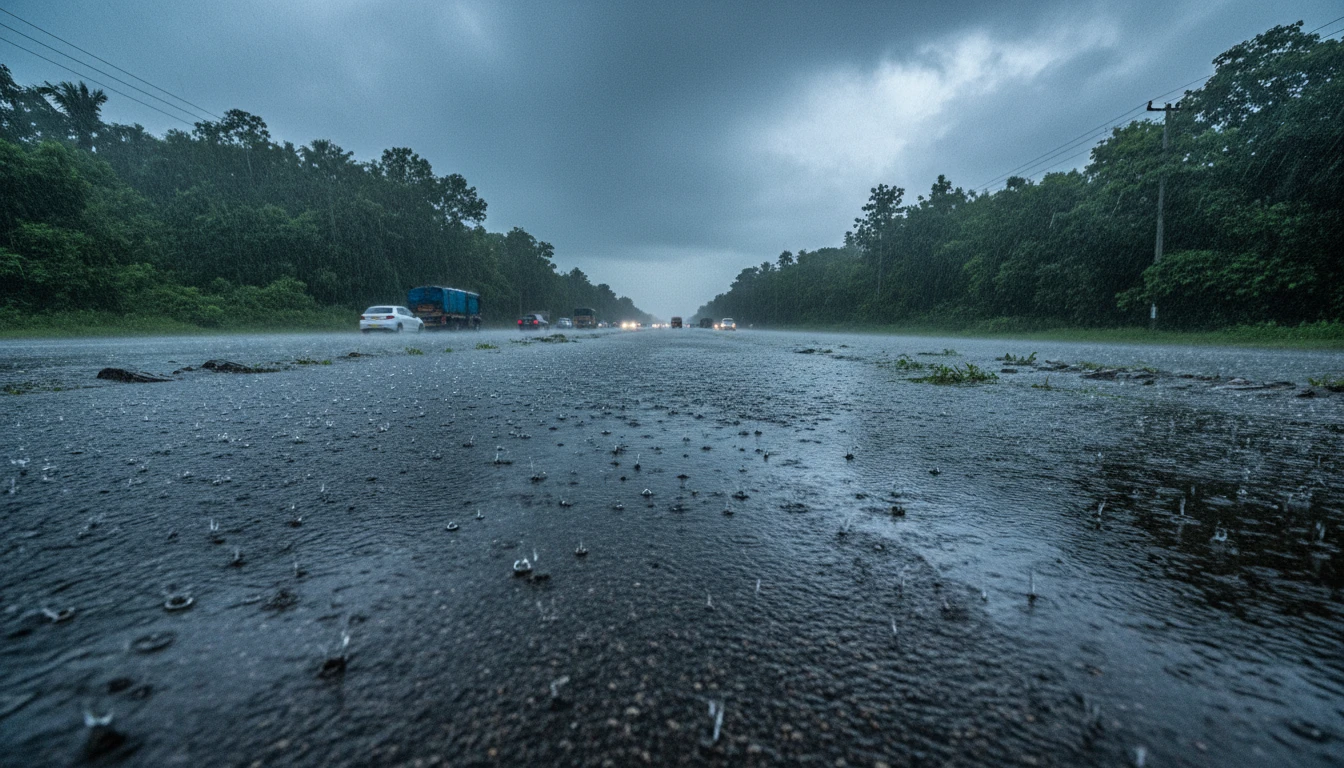
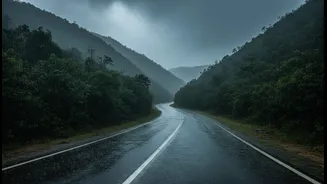
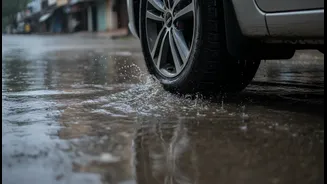
It’s tempting to power through a flooded street, assuming it's just a large puddle. This is one of the most dangerous monsoon habits. It takes only about six inches of water to reach the bottom of most cars, potentially causing a loss of control or stalling
the engine. Just one foot of water can be enough to make many vehicles float, leaving you at the mercy of the current. What you can't see is even more dangerous: hidden potholes, open manholes, and submerged debris can cause severe damage to your vehicle or lead to an accident. If a road is flooded, the only safe option is to turn around and find an alternate route.
Driving Too Fast for Conditions
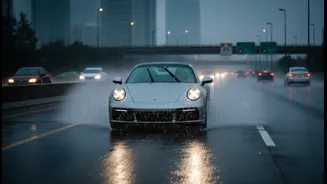
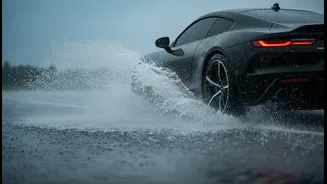
The speed limit is for ideal, dry conditions, not a downpour. Rainwater mixes with oil and dirt on the road, creating a slick surface that significantly reduces tyre grip. Driving too fast is a primary cause of hydroplaning, a terrifying situation where your tyres lose contact with the road and glide on a thin layer of water. This results in a complete loss of steering and braking control. To stay safe, reduce your speed significantly, especially on curves and bridges which can be extra slippery. Driving slower gives you more time to react and allows your tyres to maintain crucial contact with the road.
Following Other Vehicles Too Closely
Tailgating is always risky, but it's a recipe for disaster in the rain. Wet roads dramatically increase your vehicle’s braking distance. If the car in front of you suddenly stops, you won't have enough time or space to brake safely, likely resulting in a collision. The general rule is to double your usual following distance in poor weather. This buffer zone isn't just about braking; it gives you more time to anticipate hazards and react smoothly without sudden, risky manoeuvres that could cause a skid. Be especially considerate to two-wheelers and pedestrians, who are more vulnerable and harder to see in the rain.
Using Hazard Lights While Driving
In a heavy downpour with low visibility, many drivers instinctively switch on their hazard lights, or 'flashers', thinking it makes them more visible. However, this is a confusing and dangerous practice. Hazard lights are designed to signal that a vehicle is stopped or stationary. When you use them while moving, other drivers may mistakenly think your car is parked or disabled, leading them to make sudden and unsafe lane changes. The correct and safer way to improve your visibility is to turn on your low-beam headlights, even during the day. This makes you visible to others without creating confusion.
Neglecting Pre-Monsoon Vehicle Checks
Assuming your car is ready for the monsoon without a proper check is a gamble. Worn-out tyres with insufficient tread depth are a major cause of hydroplaning. Similarly, old or cracked wiper blades that leave streaks on the windshield severely impair your vision when you need it most. Brakes also need to be in top condition, as wet roads demand peak performance. Before the season begins, it's crucial to inspect your tyres, wipers, lights, and brakes. A well-maintained car is your first line of defence against the challenges of monsoon driving.
Attempting to Restart a Stalled Engine in Water
If your car stalls while crossing a waterlogged patch, your first instinct might be to turn the key and restart it. Resist this urge. Trying to restart the engine can force water into the engine's combustion chambers, leading to a catastrophic failure known as hydrostatic lock. This can cause irreversible damage, requiring a complete engine rebuild or replacement. The correct procedure is to turn off the ignition, put on your hazard lights to signal you are stopped, and call for assistance. Do not open the bonnet, as this can let more water into the electrical systems. It is far better to wait for a tow than to destroy your engine.