






From Desk Slump to Stress Buster
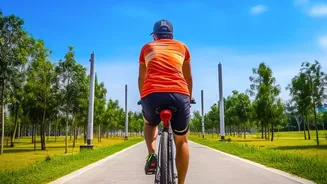
Sitting for eight to ten hours a day leaves your body stiff and your mind cluttered. An after-work walk is the perfect antidote. It creates a mental buffer between your professional and personal life, helping your brain transition out of "work mode."
This simple act of moving your body increases blood flow to the brain, which can calm your nervous system and lower levels of the stress hormone cortisol. Studies have shown that even a 10-minute walk can boost your mood by releasing endorphins, the body's natural feel-good chemicals. It counteracts the physical toll of a desk job by loosening tight hip flexors and easing backaches, while giving your eyes a much-needed break from screens.
Finding Your Urban Oasis
In a bustling Indian city, finding a peaceful place to walk might seem challenging, but options are everywhere. Start by exploring your own neighbourhood. Look for quieter residential lanes, colony parks, or housing society compounds. Many cities have dedicated walking tracks, lakes, or waterfront promenades that come alive in the evenings. Places like Lodhi Garden in Delhi are known for being well-lit and feeling safe for evening walkers due to the number of regulars. Use map apps to spot nearby green spaces you may not have known about. The goal is to find a route that is accessible, enjoyable, and makes you feel comfortable, turning your walk from a chore into a cherished ritual.
Walk Smart: Safety in the City
Safety is paramount, especially after dark. Always be aware of your surroundings and stick to well-lit, populated areas. If possible, find a walking buddy or join a local walking group; there's safety and motivation in numbers. Let a friend or family member know your route and when you expect to be back. It's wise to carry your phone, but avoid being completely absorbed in it. Walk with purpose and confidence. Wearing your bag across your body is a good practice. Trust your instincts—if a street or situation feels uncomfortable, change your route. While some areas are best avoided late at night, many urban centres remain active and relatively safe in the early evening.
Gear Up (Or Keep It Simple)
You don't need expensive gear to start walking. The most important investment is a comfortable pair of shoes that can handle city pavements. Look for something with good cushioning to absorb impact. Breathable, moisture-wicking socks can also make a big difference in comfort. While you can use fitness trackers or apps to monitor your steps and discover new routes, they are not essential. In areas with higher air pollution, consider wearing a mask or a cloth bandana over your nose and mouth. The key is to be comfortable. Start with what you have and only add gear if you find a genuine need for it.
Make It a Habit You Love
The secret to reaping the long-term benefits of walking is consistency. To build a lasting habit, integrate the walk into your daily schedule. Try scheduling it in your calendar like any other appointment. You can make your walk more engaging by listening to music, a podcast, or an audiobook. Or, you can practice mindfulness by focusing on your breath and the sensation of your feet on the ground. Finding a friend to walk with can provide accountability and make it a social activity you look forward to. Start with a manageable goal, like a 15-minute walk three times a week, and gradually increase the duration or frequency as you feel more comfortable. Remember, every step is a step in the right direction.