


The Balcony Gardener’s Dilemma
A balcony garden is a personal oasis, but its contained environment can also make it a breeding ground for common plant pests. Aphids, spider mites, whiteflies, and mealybugs are small, soft-bodied insects that thrive by feeding on plant sap. An infestation
can quickly weaken plants, causing yellowing leaves, stunted growth, and sticky residue. For those gardening in small spaces and often indoors, using harsh chemical pesticides is undesirable. This is where the appeal of gentle, natural alternatives like neem oil and soapy water becomes clear. They offer a way to manage pests without introducing potentially harmful toxins into the home.
What is Neem Oil and How Does it Work?
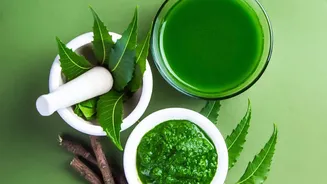
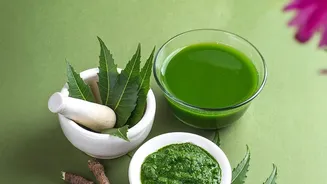
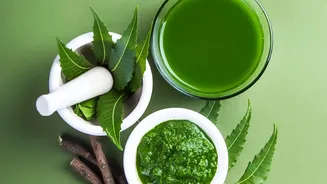
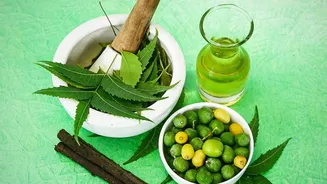
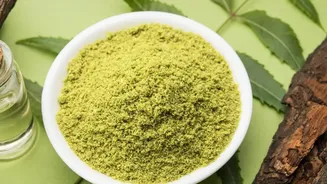
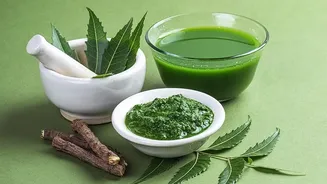
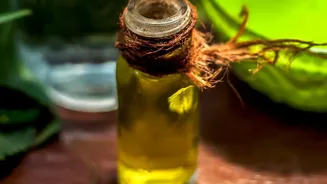
Neem oil is a natural pesticide extracted from the seeds of the neem tree (Azadirachta indica), native to South Asia. It’s a versatile tool in an organic gardener's kit because it works in multiple ways. The key active ingredient, azadirachtin, acts as an insect growth regulator, disrupting the life cycle of pests. It can prevent larvae from maturing and interfere with an insect's ability to feed and reproduce. Neem oil also works as a contact killer by suffocating smaller, soft-bodied insects like aphids and mites. Furthermore, it has antifungal properties, helping to prevent common issues like powdery mildew and black spot. Unlike some synthetic pesticides, neem oil's effects are gradual, often taking several days to collapse a pest population.
The Simple Power of Soapy Water
An even simpler remedy is a homemade insecticidal soap spray. This method is effective primarily as a contact killer. The fatty acids in soap work to dissolve the protective waxy outer layer of soft-bodied insects like aphids, whiteflies, and spider mites. This causes them to dehydrate and die quickly. Soapy water is fast-acting but has almost no residual effect, meaning it only works on the pests it directly touches and breaks down quickly. This makes it relatively safe for beneficial insects that may visit your balcony, as long as they are not sprayed directly. It’s a great first-line defence for visible infestations.
How to Prepare and Use These Solutions
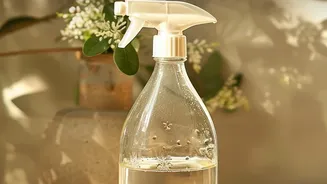
Creating your own pest-fighting sprays is straightforward. For a neem oil spray, you'll need to emulsify the oil so it mixes with water. A common recipe is to mix one teaspoon of cold-pressed neem oil with one quart (about a litre) of warm water and half a teaspoon of a mild liquid soap, like pure castile soap. For a simple soapy water spray, the key is to use the right kind of soap. Avoid using household dish detergents, as their degreasing agents and additives can strip the natural protective waxes from plant leaves, causing them to burn or dry out. Instead, use a pure soap like castile soap at a concentration of about 1 to 2 percent—roughly one tablespoon of soap per quart of water. Always shake the mixture well before and during application.
Best Practices for Safe Application
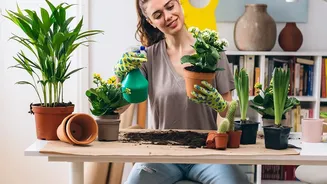
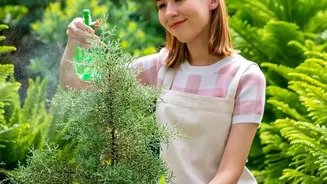
To protect your plants, always test your spray on a small, inconspicuous leaf and wait 24-48 hours to check for any signs of damage before spraying the entire plant. Apply sprays in the early morning or late evening, as direct sun on treated leaves can cause them to scorch. Temperature is also a factor; avoid spraying when it is above 90°F (32°C). Pests often hide on the undersides of leaves and in the joints of stems, so be sure to coat all surfaces of the plant thoroughly for the treatment to be effective. Since these solutions have little to no residual effect, especially soapy water, you may need to reapply every 5-7 days until the infestation is under control.