



What Exactly Is Arrowroot Flour?
Arrowroot flour, known locally as 'ararot' or 'koova,' is a fine, white powder extracted from the rhizomes of the Maranta arundinacea plant, a tropical tuber. Unlike wheat flour, it is naturally gluten-free, making it an excellent choice for those with
celiac disease or gluten sensitivities. It has a neutral flavour and a high starch content, which allows it to act as a brilliant thickening agent for sauces and soups without altering their taste or colour. It's also easily digestible, which is why it's often recommended for children and older adults. When used in baking or frying, it can create a light, crispy texture that is hard to achieve with other flours.
Mastering the Savoury Flatbread
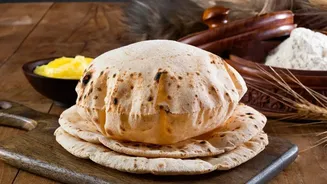
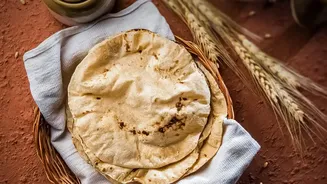
Making flatbreads with arrowroot flour is different from using traditional wheat atta. Because it lacks gluten, the dough won't be elastic. The key is to create a batter or a very soft dough, often with the help of hot water, which helps the starch to gelatinise and bind. Some recipes blend arrowroot with other gluten-free flours like almond or cassava flour to achieve a chewier, more pliable texture. For cooking, a non-stick pan is your best friend. The batter is typically poured and spread like a pancake or cheela, rather than rolled out like a chapati. Patience is crucial; cook on a medium-low flame to ensure the inside is cooked through before the outside burns, resulting in a flatbread that is crispy on the outside and soft within.
1. Classic Savoury Arrowroot Flatbread
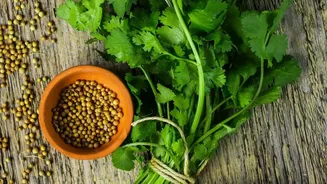
This is the foundational recipe for understanding how arrowroot flour works in a simple flatbread, similar to a cheela or a soft roti. To make four small flatbreads, whisk together 1/2 cup of arrowroot flour, 1/2 cup of water, and a pinch of salt until you have a smooth, thin batter. For extra flavour, you can add finely chopped coriander, green chillies, or cumin seeds. Heat a non-stick pan over medium heat and lightly grease it. Pour about 1/4 of the batter onto the pan and gently spread it into a circle with the back of a spoon. Cook for 2-3 minutes, until the top looks set and the edges begin to lift. Flip carefully and cook for another 2 minutes until light golden spots appear. Serve hot with your favourite curry or chutney.
2. Spiced Vegetable Arrowroot Pancake
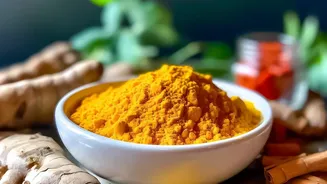
This recipe turns the basic flatbread into a more substantial meal. In a bowl, mix 1 cup of arrowroot flour with 1 cup of water and a pinch of salt. To this batter, add 1 cup of finely grated vegetables like carrots, cabbage, and onions. Season with 1/2 teaspoon of turmeric powder, 1/2 teaspoon of red chilli powder, and some chopped coriander. Mix everything well. Heat and grease a non-stick pan. Pour a ladleful of the batter and spread it into a thick pancake. Cook on medium heat for 3-4 minutes per side, until golden brown and the vegetables are cooked. These savoury pancakes are perfect for breakfast or as a light evening snack.
3. Crispy Arrowroot and Potato Tikki
Arrowroot flour is an excellent binding agent, making it perfect for patties and cutlets. To make potato tikkis, boil and mash 3 medium-sized potatoes. Add 1/4 cup of arrowroot flour, finely chopped onion, green chillies, coriander, and spices like salt, chaat masala, and red chilli powder. Mix well until a firm dough is formed. If the mixture is too sticky, add a little more arrowroot flour. Shape the mixture into small, flat patties. You can either shallow fry them on a tawa with a bit of oil until golden and crisp on both sides or deep fry for an even crispier texture.
4. Savoury Arrowroot and Gram Flour Fritters
For a crunchy tea-time snack, combine arrowroot flour with gram flour (besan) to make delicious fritters or pakoras. In a bowl, mix 1/2 cup of gram flour and 1/4 cup of arrowroot flour. Add salt, ajwain (carom seeds), and red chilli powder. Slowly add water to make a thick, lump-free batter. Add your choice of chopped vegetables, such as onions, spinach, or potatoes. Heat oil for deep frying. Dip the vegetables in the batter, ensuring they are well-coated, and carefully drop them into the hot oil. Fry until they are golden brown and crispy. The arrowroot will give the pakoras an extra light and crunchy texture.
5. Arrowroot as a Savoury Thickener
Beyond flatbreads and snacks, arrowroot's primary strength is as a thickener for gravies and soups. Unlike cornflour, it creates a clear, glossy finish and doesn't impart a chalky taste. To thicken a curry or a manchurian sauce, make a slurry by mixing one tablespoon of arrowroot flour with two tablespoons of cold water until smooth. Pour this slurry into your simmering gravy while stirring continuously to prevent lumps. The sauce will thicken in just a few moments. This is an excellent way to get the perfect consistency in your dishes without using cornstarch or refined flour.