


Jackfruit Seeds: From Discarded to Desired
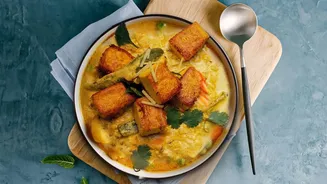
For years, the large, starchy seeds of the jackfruit were simply tossed aside. Now, they are being celebrated for their nutty flavour and potato-like texture. Once peeled and boiled, these seeds are incredibly versatile. In South India, they are ground
into flavourful pastes for curries like 'Palakottai Poriyal', a stir-fry with coconut and spices. Modern chefs are incorporating them into everything from creamy kurmas to crunchy, roasted snacks, proving that one person's waste is another's culinary treasure.
Banana Stem: The Crunchy, Fibrous Core
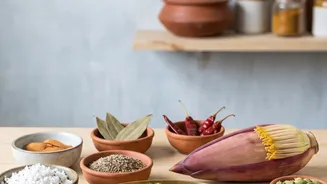
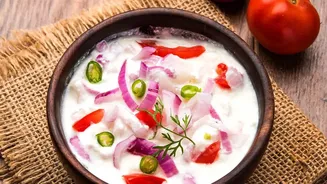
The inner stalk of the banana plant, known as 'Vazhaithandu' in the south, is a marvel of texture and nutrition. Traditionally used in dishes like 'Vazhaithandu Poriyal'—a simple stir-fry with mustard seeds and coconut—its subtle taste and satisfying crunch are finding new applications. Beyond the classic preparations, it's now being juiced for its detoxifying properties, chopped into salads for a fibrous kick, and even used in 'mor kootu', a light yoghurt-based curry, showcasing its ability to absorb a range of flavours.
Moringa Leaves: The Humble Superfood
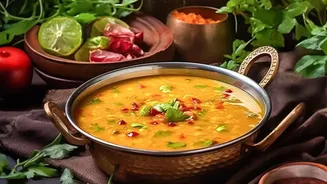
Long a staple in South Indian homes, moringa or drumstick leaves are finally getting national recognition. Traditionally added to dal or sambar, these tiny leaves pack a powerful nutritional punch with high levels of vitamins and iron. Today, their slightly bitter, earthy flavour is being woven into a much wider array of dishes. Creative cooks are blending moringa powder into dosa batters, kneading it into roti dough for a nutritional boost, and even creating vibrant green chutneys and healthy smoothies.
Lotus Stem: The Crunchy Water-Lover
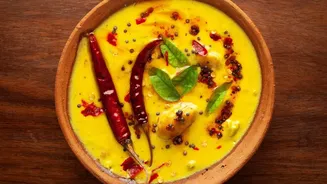
Known as 'Kamal Kakdi' or 'Nadru', the lotus stem is famous for its beautiful pinwheeled pattern and unique crunchy texture. While a star in Kashmiri cuisine in dishes like the creamy 'Nadru Yakhni', it is often overlooked elsewhere. That's changing, as its mild, sweet flavour and ability to soak up spices make it a versatile ingredient. It's now being sliced into crispy, fried chips, stir-fried in spicy honey-chilli sauces, and mashed into flavourful koftas and kebabs, demonstrating a versatility far beyond its regional roots.
Hemp Seeds: The Nutty Himalayan Secret
In the hills of Uttarakhand, hemp seeds or 'Bhangjeera' have been a pantry staple for generations, prized for their nutty taste and warming properties. The most famous preparation is 'Bhang ki Chutney', a thick, zesty condiment made by grinding roasted seeds with mint, chillies, and lemon. As interest in regional Indian food grows, these nutritious seeds are being discovered by a wider audience. They are being used not just in chutneys but also as a crunchy topping for salads and dals, and even blended into a traditional plant-based 'milk'.
Mahua Flower: The Forest's Sweet Secret
Harvested from the forests of central India, the mahua flower is a natural sweetener with a distinct floral, honey-like aroma. Traditionally, it was primarily used by tribal communities to create local beverages and simple sweets. Now, chefs are exploring its sophisticated flavour profile. Mahua is being used to create syrups for desserts, infused into modern cocktails, and used as a sweetener in healthier versions of traditional sweets like 'kheer' and 'halwa', bringing a taste of the wild into urban kitchens.
Taro Leaves: More Than Just a Wrapper
Taro leaves, or 'arbi ke patte', are known for their role in regional specialities like 'patra' in Gujarat or 'patrode' in Karnataka, where they are slathered with a spiced batter, rolled, and steamed. But their use is expanding. These large, earthy leaves are being used to create silky-smooth curries like 'Aluche Fatfate' in Maharashtra, which balances their earthiness with tamarind and jaggery. In other parts of India, they are finely chopped and added to lentil dishes or used to wrap fish for steaming, proving their worth as a flavourful green vegetable in their own right.
Garlic Kheer: The Secret Ingredient Dessert
A dessert with garlic sounds shocking, but 'Benami Kheer' is a legendary, and surprisingly delicious, dish from Awadhi cuisine. 'Benami' means 'nameless' because chefs would guard the secret ingredient fiercely. The trick lies in a meticulous process of blanching the garlic to remove its pungency, leaving behind slivers with the texture of almonds and a subtle, unique flavour. When cooked in sweetened, thickened milk, it creates a creamy, aromatic kheer that defies all expectations and stands as a testament to culinary ingenuity.