




The Vision Behind Water Aerodromes
At the heart of this initiative is the Ude Desh ka Aam Nagrik (UDAN) scheme, a government-led effort to make air travel affordable and accessible to all. While UDAN is known for connecting underserved towns with regional airports, its seaplane component
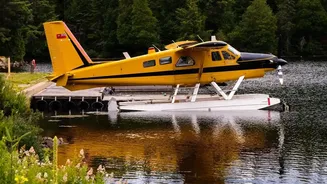
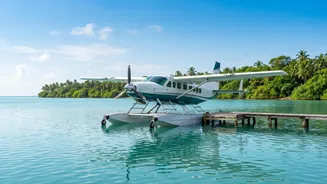
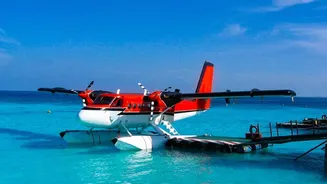
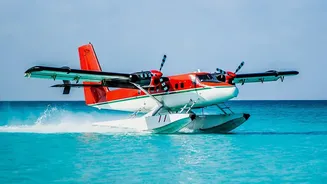
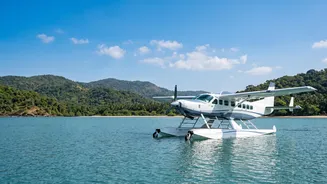
is arguably its most innovative feature. The concept is simple yet powerful: leverage India's vast network of rivers, lakes, and coastlines as runways. By creating 'water aerodromes'—designated areas on water bodies for takeoff and landing—the scheme sidesteps the need for expensive and land-intensive airport construction. This allows for direct connectivity to areas that were previously difficult to reach, such as remote pilgrimage sites, isolated islands, and eco-tourism hotspots. The government has identified numerous potential routes and is providing financial incentives, known as Viability Gap Funding (VGF), to encourage airlines to operate on these new corridors.
Connecting the Unconnected
The primary allure of seaplanes lies in their ability to provide last-mile connectivity in geographically challenging terrains. A journey that could take hours by road can be reduced to a fraction of the time. The first major trial of this concept was the route connecting Ahmedabad's Sabarmati Riverfront to the Statue of Unity in Kevadia, Gujarat, launched in October 2020. Though the service was later suspended due to high operational costs and pandemic-related disruptions, it served as a crucial proof of concept, generating significant public interest. The lessons learned have informed a renewed push. The government has since released simplified guidelines for seaplane operations, covering everything from pilot training to the setup of waterdromes, aiming to create a more sustainable ecosystem for operators.
A New Map for Tourism
The potential for tourism is immense. Several states are now actively pursuing seaplane projects. In late 2025, Kerala received approval for 48 new routes intended to connect its international airports with its famous backwaters, dams, and hill stations, including destinations like Vembanad, Kumarakom, and Idukki Dam. Similarly, Andhra Pradesh is planning to connect locations like the Srisailam temple and the Araku Valley by 2027. Other proposed routes span across the country, from the islands of Andaman & Nicobar and Lakshadweep to reservoirs in Assam. For travelers, this means unprecedented access to offbeat destinations. For local economies, it promises a surge in tourism, creating jobs and new business opportunities. These services are not just about convenience; they offer a unique travel experience with stunning aerial views, making the journey itself part of the attraction.
Navigating the Challenges Ahead
Despite the optimism, the path to a nationwide seaplane network is not without its hurdles. The initial experiment in Gujarat highlighted key challenges, including high operating costs, a lack of maintenance facilities, and the need for a steady stream of passenger demand to ensure commercial viability. Building the necessary infrastructure, such as jetties for boarding and deboarding, remains a significant task. Furthermore, operators face complex regulatory processes and a shortage of specially trained pilots. However, the government seems committed to addressing these issues. Recent policy changes, including VGF and incentives for domestic manufacturing, are designed to lower the financial barriers for private airlines. Dedicated operators like SkyHop Aviation are emerging, with plans to build a fleet specifically for Indian conditions, signaling growing confidence in the sector's future.