




The National Weather Outlook
The India Meteorological Department (IMD) has issued alerts for numerous states as a low-pressure area is expected to bring widespread rain. States in North and Northeast India, including Himachal Pradesh, Uttarakhand, Uttar Pradesh, Bihar, Assam, and Meghalaya,
are likely to see heavy to very heavy rainfall. Central Indian states like Madhya Pradesh and Chhattisgarh are also on alert for intense rain spells. The advisory is clear: conditions are ripe for disruptions, and travellers should remain vigilant. The weather system is expected to keep large parts of the country wet through the end of the month.
Impact on Road and Rail Travel
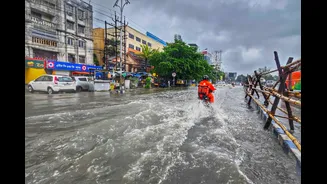
Heavy downpours create significant challenges for road and rail transport. In urban areas, waterlogging is a primary concern, leading to major traffic snarls and submerged roads that can damage vehicles. In hilly and mountainous regions like Himachal Pradesh and Uttarakhand, the risk of landslides and flash floods is dangerously high, potentially causing road closures that last for hours or even days. For train travellers, waterlogged tracks can lead to significant delays, diversions, or outright cancellations of services. It is crucial to check traffic police advisories and railway updates before starting your journey and to avoid night driving in hilly areas where visibility is poor and risks are higher.
Navigating Air Travel Disruptions
Air travel is not immune to severe weather. Heavy rain, strong winds, and low visibility can lead to flight delays, diversions, and cancellations. Airlines including IndiGo, Air India, and SpiceJet often issue travel advisories during such weather events, urging passengers to check their flight status before heading to the airport. It's also wise to allow for extra travel time to the airport, as road congestion and waterlogging can cause unexpected delays. If your flight is affected, stay in contact with your airline for the latest information on rescheduling and alternative arrangements.
Essential Safety and Packing Tips
Staying safe should be your top priority. If a thunderstorm is active, the best advice is to stay indoors and away from windows. Avoid contact with electrical appliances and plumbing, as both can conduct electricity during a lightning strike. If you must travel, never attempt to drive or walk through flooded roads. For packing, prioritize waterproof gear. A reliable raincoat, an umbrella, and waterproof bags or covers for your luggage and electronic devices are essential. Pack quick-drying clothes instead of heavy materials like jeans. A basic first-aid kit, insect repellent, a power bank, and any personal medications should also be in your bag.
How to Stay Informed
Information is your best tool for navigating monsoon travel. Regularly monitor updates from official sources like the IMD for weather forecasts and warnings. For travel-specific updates, check the official websites and social media handles of airlines and Indian Railways. Many local police departments also provide real-time traffic updates. Building buffer days into your travel itinerary can provide a much-needed cushion against unforeseen delays, ensuring that a weather disruption doesn't derail your entire plan.