








The Rise of Pet Separation Anxiety
During the height of remote work, our cats and dogs got used to a new normal: their humans were always around. Now, as companies adopt hybrid schedules, the sudden emptiness of a quiet house can be jarring for them. Vets and animal behaviorists report
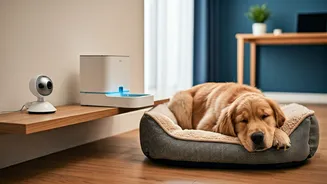
an uptick in separation anxiety, which can manifest as destructive behavior, excessive barking or meowing, or other signs of distress. For loving owners, the guilt of leaving a lonely pet behind is real. This emotional pinch-point has fueled a surge in demand for smart devices that can help maintain a sense of routine and engagement, even when no one is physically home. It’s less about spoiling a pet and more about managing their well-being in a world of inconsistent schedules.
Automated Feeders: Consistency is Key
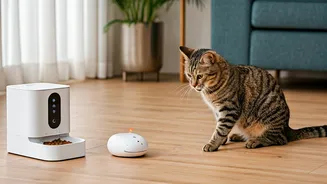
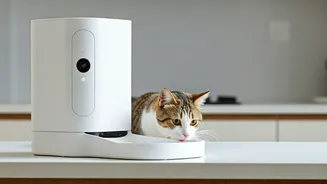
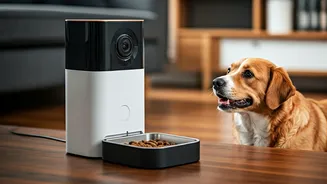
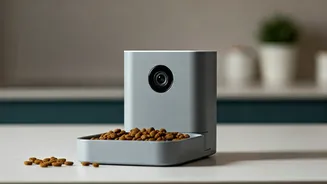
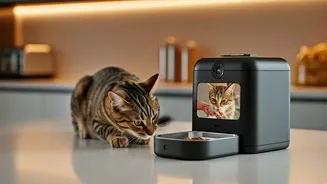
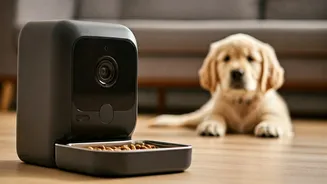
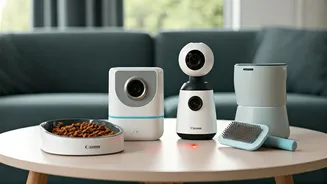
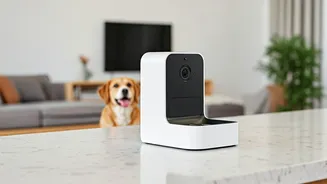
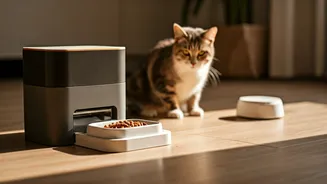
At first glance, an automated feeder seems like a simple convenience. Its real value, however, lies in its ability to create and maintain a predictable schedule. For an anxious animal, knowing that a meal will arrive at the exact same time every day—whether you’re in the house or at the office—provides a powerful sense of stability. Modern feeders go far beyond just dispensing kibble. Many models allow for precise portion control, which is critical for weight management. Some connect to Wi-Fi and can be controlled via a smartphone app, letting you trigger a feeding remotely if you’re running late. A popular feature is the ability to record a short voice message. Hearing your call of “Dinner time!” can provide a comforting, familiar moment that eases the stress of your absence.
Laser Bots and Interactive Toys: Beating Boredom
A bored pet is often a destructive pet. When left alone for hours, dogs might turn to chewing furniture, and cats might take up scratching the sofa. This is where automated entertainment comes in. Interactive laser toys are a leading example. These devices can be programmed to turn on at specific intervals, casting an unpredictable dot of light that engages a cat’s natural hunting instincts. Many can be controlled remotely via a camera-enabled app, so you can initiate a play session from your desk and watch the fun unfold. Other popular gadgets include treat-dispensing cameras, which allow you to talk to your pet and reward them with a snack, and automated ball launchers for fetch-obsessed dogs. These tools provide crucial mental and physical stimulation, helping to pass the lonely hours until you return.
What to Look For Before You Buy
With a flood of new products on the market, choosing the right one requires some thought. First, consider your pet’s personality. A timid cat might be frightened by a noisy, robotic toy, while a boisterous dog might need a more durable, chew-proof device. Safety is paramount; look for products made from pet-safe materials with no small, detachable parts that could become a choking hazard. For automated feeders, ease of cleaning is a must-have to prevent bacteria buildup. For app-controlled devices, check user reviews regarding the software’s reliability and user-friendliness. Is the app buggy? Does it frequently lose connection? A fancy gadget is useless if its core technology doesn’t work when you need it most.
A Supplement, Not a Substitute
It’s important to frame these devices correctly: they are tools to supplement your care, not replace it. Animal behavior experts are quick to point out that no amount of automated play can substitute for genuine human interaction. An automated feeder can’t give your dog a belly rub, and a laser bot can’t replicate the feeling of your cat curling up in your lap. The goal of this technology isn’t to outsource pet ownership. Instead, it’s a way to make the hours you *are* away less stressful for your companion. The most effective strategy combines smart tech for your office days with plenty of focused, quality time—walks, cuddles, and active play—when you get home.