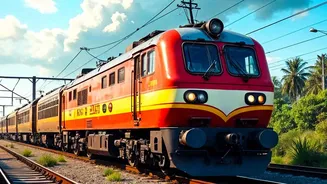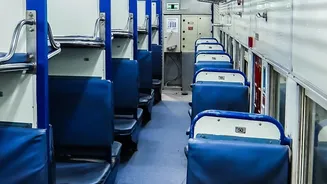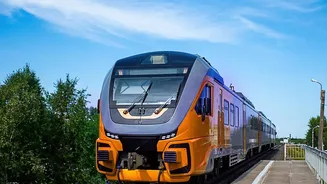





The Vande Bharat Express has redefined premium train travel in India, and now its catering service is getting a major rethink. IRCTC is trialing a shorter, more focused menu on select routes, prompting questions from frequent travellers.
Which Trains Are Part of the Trial?
The pilot project
for the revised menu was launched on November 1, 2026, targeting three of the Vande Bharat's sleeper services. Passengers on the Mumbai-Bengaluru, Howrah-Kamakhya (Guwahati), and New Delhi-Varanasi Junction routes are the first to experience this new catering approach. The Indian Railway Catering and Tourism Corporation (IRCTC) has stated that it will assess passenger feedback from these three routes before making any decision on whether to expand the compact menu to other Vande Bharat services or other premium trains across the network.
From a Full Thali to a Focused Meal
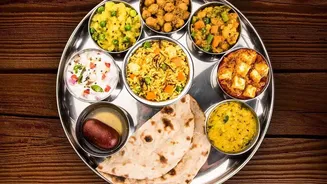
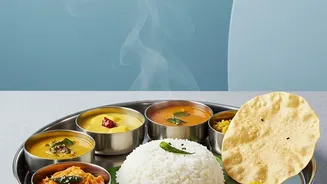
The most significant change is the reduction in the number of items served. Previously, a meal tray on these trains might contain between eight to ten different components. Under the new trial, this has been reduced to about four. For breakfast, options like soup, omelettes, sandwiches, buttermilk, and chocolates have been removed. Passengers are now offered a choice between simpler, classic dishes like idli-vada with sambar and chutney, poha, or upma. Similarly, for lunch and dinner, accompaniments such as dry vegetables, curd, salad, pickles, and sweets are no longer part of the standard meal. The new lunch and dinner thali consists of chapati, rice, dal, and one main course, which can be a vegetarian dish or a chicken preparation for non-vegetarians.
The 'Quality Over Quantity' Rationale
According to railway officials, the primary driver for this change is a push to improve food quality, hygiene, and consistency. The decision follows frequent passenger complaints about the food served on long-distance trains, with issues ranging from stale or cold meals to poor hygiene. The logic is that a shorter menu is easier to manage and monitor. With fewer dishes to prepare, catering staff and partner kitchens can focus more on the quality and freshness of each item, ensuring a better passenger experience. This approach is likened to the meal service on airlines, where a limited but consistent menu is standard.
Lighter Meals and New Partners
Along with fewer items, the overall weight of the meal has also been reduced. A meal that previously weighed between 700 and 750 grams now comes in at approximately 450 to 500 grams. Officials have clarified that the portion size of the remaining items, like the main sabji or dal, has not been reduced; the weight loss is due to the removal of the extra accompaniments. To execute this quality-focused initiative, IRCTC has partnered with major names in the hospitality and food service industry to run large cloud kitchens for these routes. These include the Mayfair Group for the Howrah-Kamakhya line, TajSATS for the Mumbai-Bengaluru service, and the Sarovar Portico Group for the New Delhi-Varanasi train.
What Does This Mean for Passengers?
The immediate impact is a simpler meal. For passengers who enjoyed the variety of a full thali with all its accompaniments, this may feel like a downgrade. However, for those who prioritise hot, fresh, and hygienic food, this could be a welcome improvement. Catering charges are included in the ticket fare for Vande Bharat trains, though passengers can opt out of meals during booking. With a significant reduction in the quantity of food served, many are now watching to see if this trial will lead to a corresponding reduction in catering charges if it's implemented permanently. IRCTC is also considering passenger demands for more local cuisine, such as adding Maharashtrian dishes like puran poli to the Mumbai-Bengaluru menu, which could be part of the next phase of this catering evolution.