



More Than Just Green Tea
First, let's clear up a common confusion: matcha isn't just powdered green tea. While both come from the Camellia sinensis plant, their cultivation and preparation are worlds apart. Matcha leaves are shade-grown for about three weeks before harvest, a process
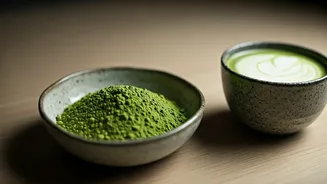
that boosts their chlorophyll and L-theanine content. This gives matcha its signature vibrant green colour and a complex, umami-rich flavour profile that lacks the bitterness of some green teas. After harvesting, the leaves are steamed, dried, and stone-ground into a fine powder. When you drink matcha, you are consuming the entire leaf, not just an infusion. This distinction is key to understanding its potent flavour and purported health benefits, which sets it far apart from the teabag in your pantry.
The Wellness Factor
A significant driver of matcha’s popularity is its glowing reputation in wellness circles. For a generation of health-conscious urban Indians, it represents a 'cleaner' alternative to coffee. Matcha is packed with antioxidants, particularly catechins, which are linked to various health benefits. But its secret weapon is L-theanine, an amino acid that promotes a state of calm alertness. Unlike the jittery rush some experience with coffee, matcha drinkers often report a sustained, focused energy without the subsequent crash. This unique combination of a caffeine lift and a calming effect makes it the ideal beverage for a productive workday or a mindful morning ritual, aligning perfectly with the modern pursuit of balanced, holistic well-being.
An Instagram-Ready Aesthetic
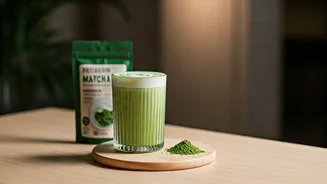
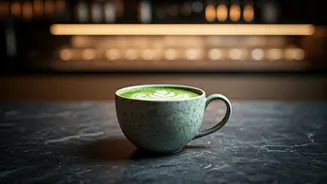
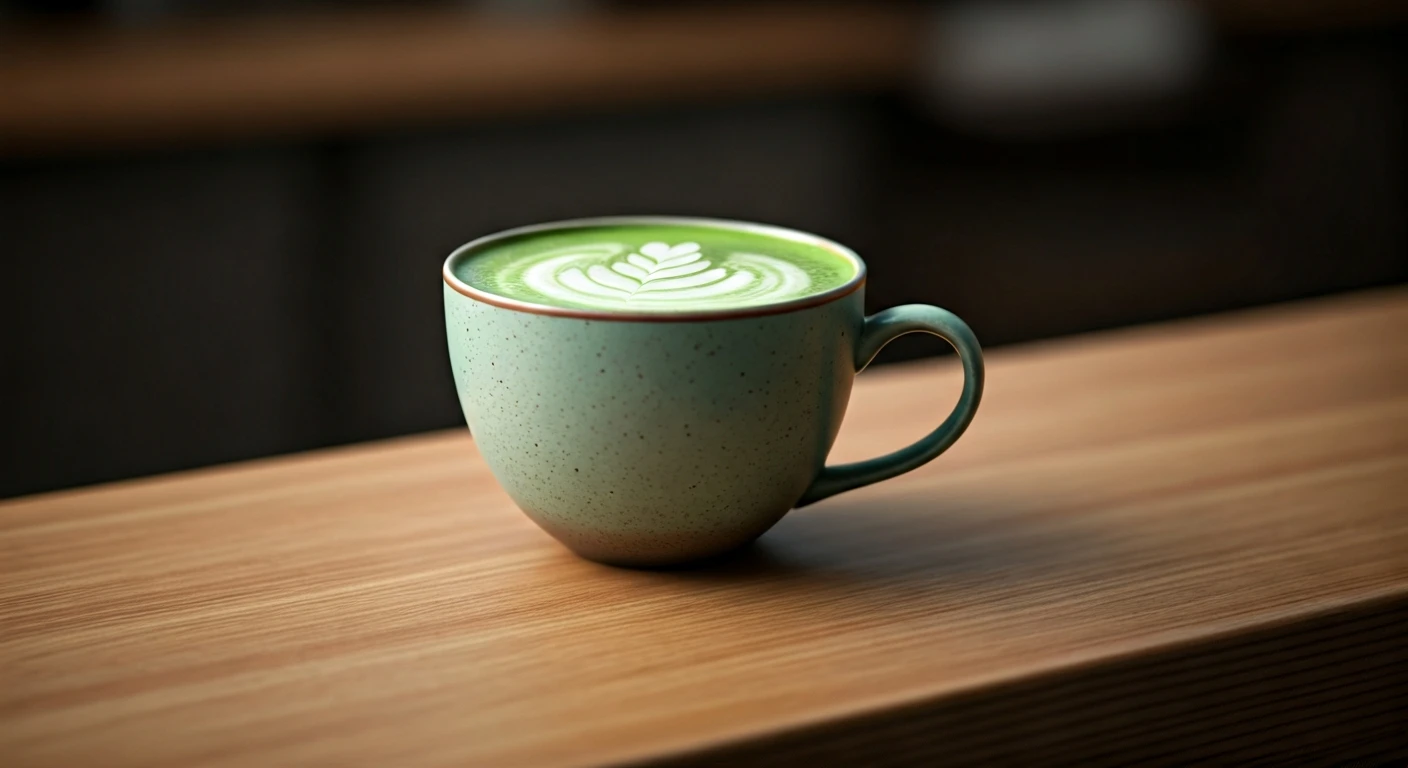
In the age of social media, we eat—and drink—with our eyes first. Matcha’s vivid, almost surreal green hue makes it incredibly photogenic. A beautifully crafted matcha latte, with swirling white milk foam against the bright green, is a guaranteed 'like' magnet on Instagram. Cafés have capitalized on this, serving it in artisanal ceramic cups and encouraging the visual spectacle. This social media visibility creates a powerful feedback loop: people see matcha online, get curious, try it, post it, and in turn, introduce it to their own followers. This digital word-of-mouth has been crucial in transforming matcha from a specialty item into a mainstream desire, a visual shorthand for a trendy and sophisticated lifestyle.
An Evolving Urban Palate
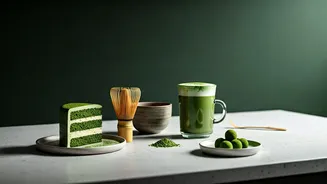
The rise of matcha also signals a broader shift in the Indian consumer's palate, especially in metropolitan areas. Exposure to global cultures through travel and media has cultivated a more adventurous and discerning consumer. While chai remains a national treasure and coffee a daily staple, there is a growing appetite for new and complex flavours. Matcha's earthy, savoury, and slightly sweet notes offer a novel taste experience that feels both modern and authentic. Premium cafés, from artisanal coffee roasters to high-end bakeries, have acted as gatekeepers, introducing it not just as a drink but in a variety of innovative forms—matcha cheesecakes, croissants, ice creams, and coolers—making it accessible and exciting for newcomers.
The Symbolism of a Sip
Ultimately, ordering a matcha latte in a premium Indian café is about more than just a beverage choice. It's a statement. It signals an alignment with global trends, a commitment to personal wellness, and an appreciation for artisanal quality. For many, it represents a small luxury, a moment of curated calm in a hectic urban life. Baristas and cafe owners across Delhi, Mumbai, and Bengaluru report a steady, significant increase in matcha orders, noting that it's quickly becoming one of their top-selling non-coffee beverages. This isn't just a fleeting fad; it’s a reflection of a deeper cultural shift where Indian consumers are increasingly willing to explore, experiment, and invest in experiences that feel both good and good for them.