



The Universe’s Dusty Veil
Imagine trying to see a candle flame in the middle of a thick, dense fog. That's the challenge astronomers have faced for decades when trying to observe star formation. Stars are born inside vast, cold, and incredibly dense clouds of gas and dust known
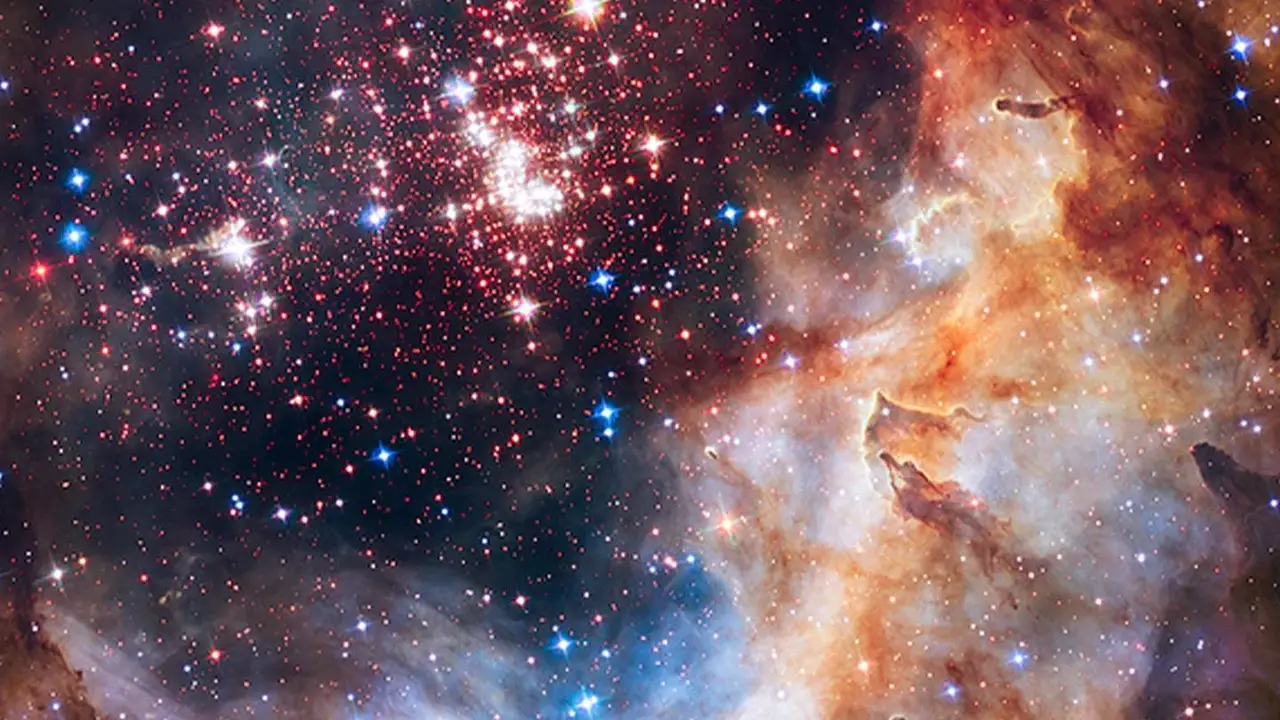
as molecular clouds or stellar nurseries. This cosmic dust, made of tiny particles, is extremely effective at blocking and scattering visible light—the kind our eyes and telescopes like the Hubble Space Telescope primarily see. While Hubble gave us breathtaking views of the exterior of these cosmic pillars and clouds, the action deep inside, where infant stars are actually forming, remained almost completely hidden. We could see the nursery, but we couldn't see the babies.
Webb’s Infrared Superpower
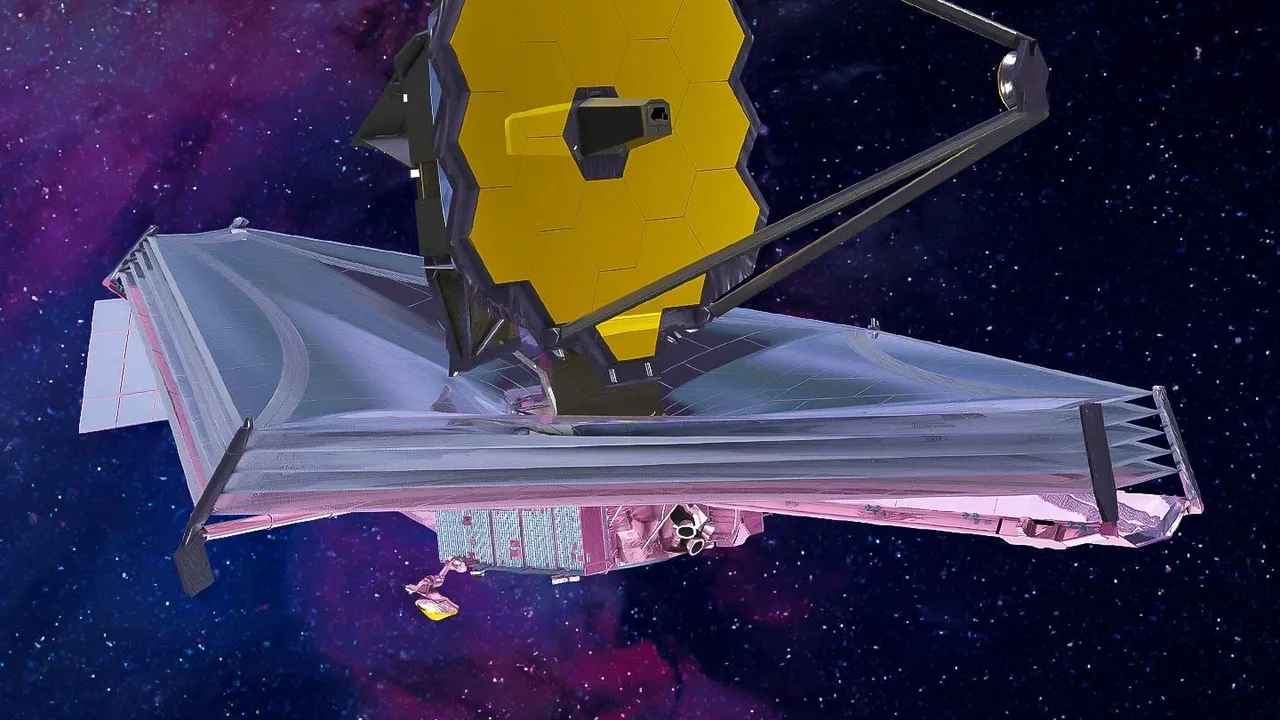
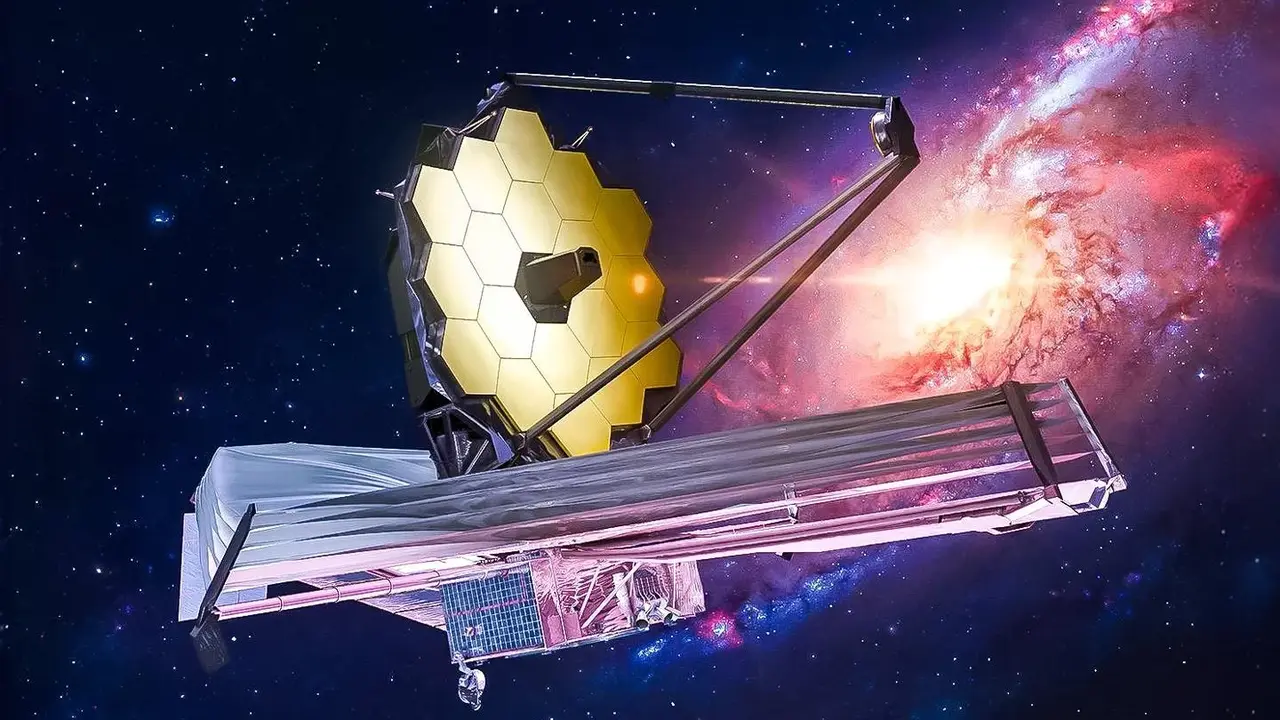
This is where the James Webb Space Telescope (JWST) changes the game. Its superpower is its ability to see the universe in infrared light. Unlike visible light, infrared light has a longer wavelength that can pass through the thick clouds of cosmic dust without being scattered or absorbed. It's the cosmic equivalent of using an X-ray to see the bones inside a body. Webb's highly sensitive instruments, particularly its Near-Infrared Camera (NIRCam) and Mid-Infrared Instrument (MIRI), were specifically designed to capture this faint, ancient light. This allows the telescope to pierce through the dusty cocoons and witness the star-birth process directly, capturing details that were previously impossible to resolve.
Seeing a Star Take Its First Breath
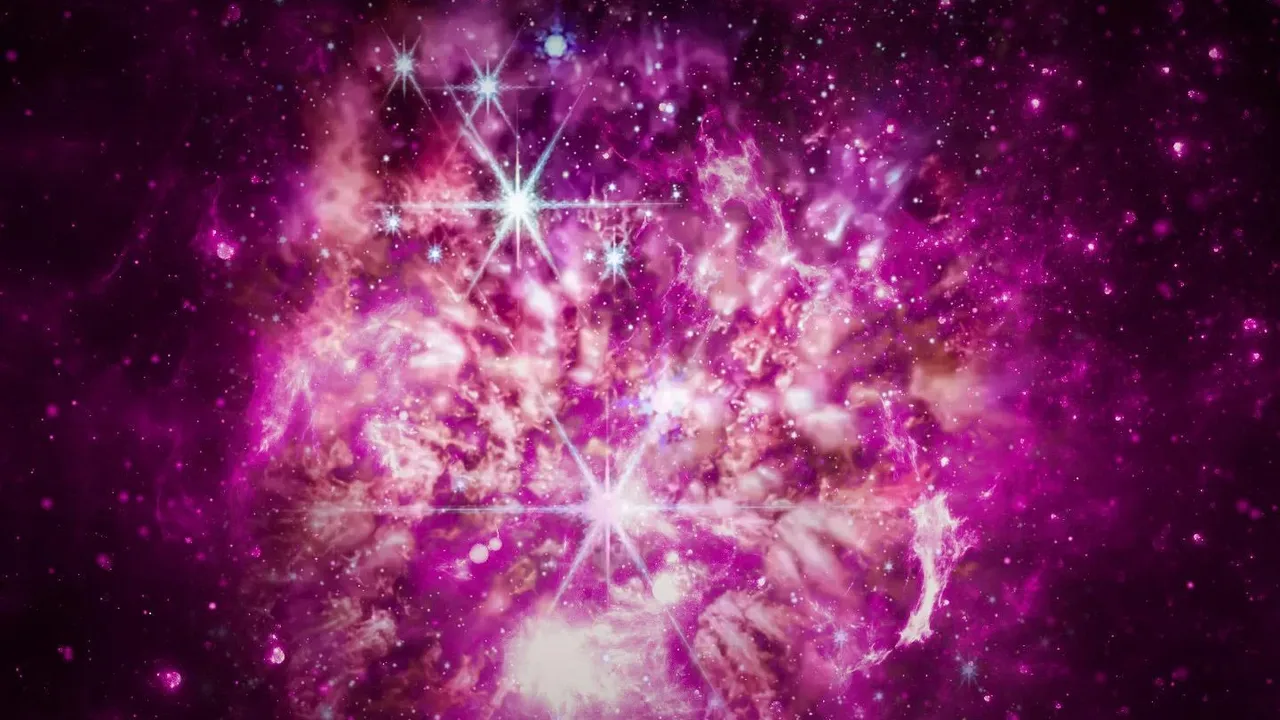
So, what has Webb actually seen? The images are nothing short of revolutionary. We are now seeing protostars—infant stars still in the process of gathering mass—for the first time in sharp detail. In images of objects like Herbig-Haro 211, we see a young star, an infant version of our own Sun, blasting out powerful, supersonic jets of material into space. These jets, which travel at tens of kilometers per second, slam into the surrounding gas and create spectacular shockwaves. Other images, like those of the protostar L1527, reveal a fiery hourglass shape, where light from the hidden central star illuminates giant cavities in the gas it has blown away. Webb can even see the dark, edge-on silhouette of the protoplanetary disk—a swirling band of gas and dust where planets will one day form.
Rewriting the First Cosmic Chapters
These images do more than just provide pretty pictures; they are fundamentally reshaping our understanding of how stars are born. By observing the structure of the jets and outflows, scientists can piece together the history of a young star's growth, which appears to happen in chaotic fits and starts rather than a smooth, steady process. The details reveal how these energetic newborns interact with their environment, sometimes triggering new star formation and sometimes clearing out the area around them. Furthermore, Webb's instruments can analyze the chemical composition of these regions, identifying crucial ingredients for life like water ice and complex organic molecules in the very places new solar systems are being built. It’s a detailed look at the origin story of not just stars, but of planets like our own.