





Your Personal AI Esthetician
The one-size-fits-all approach to beauty is officially becoming outdated. [12] The new frontier is hyper-personalization, where AI acts as your private consultant. [6] Imagine a device that analyzes your skin in real-time, considers your local environment
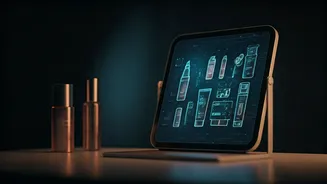
like humidity and UV index, and then dispenses a single, perfect dose of serum mixed specifically for you. [2, 5] This isn't science fiction; it's the reality of devices like L'Oréal's Perso. [2, 4, 5] These AI systems use mobile apps to analyze photos of your face, assessing everything from fine lines to pore visibility. [10] This data, combined with user feedback, allows the AI to learn what works for your skin, getting smarter and adjusting formulas over time. [10, 18, 22] It's a shift from static routines to dynamic, adaptive skincare that promises fewer failed product experiments and a regimen that evolves with you. [22]
Try Before You Buy, Virtually
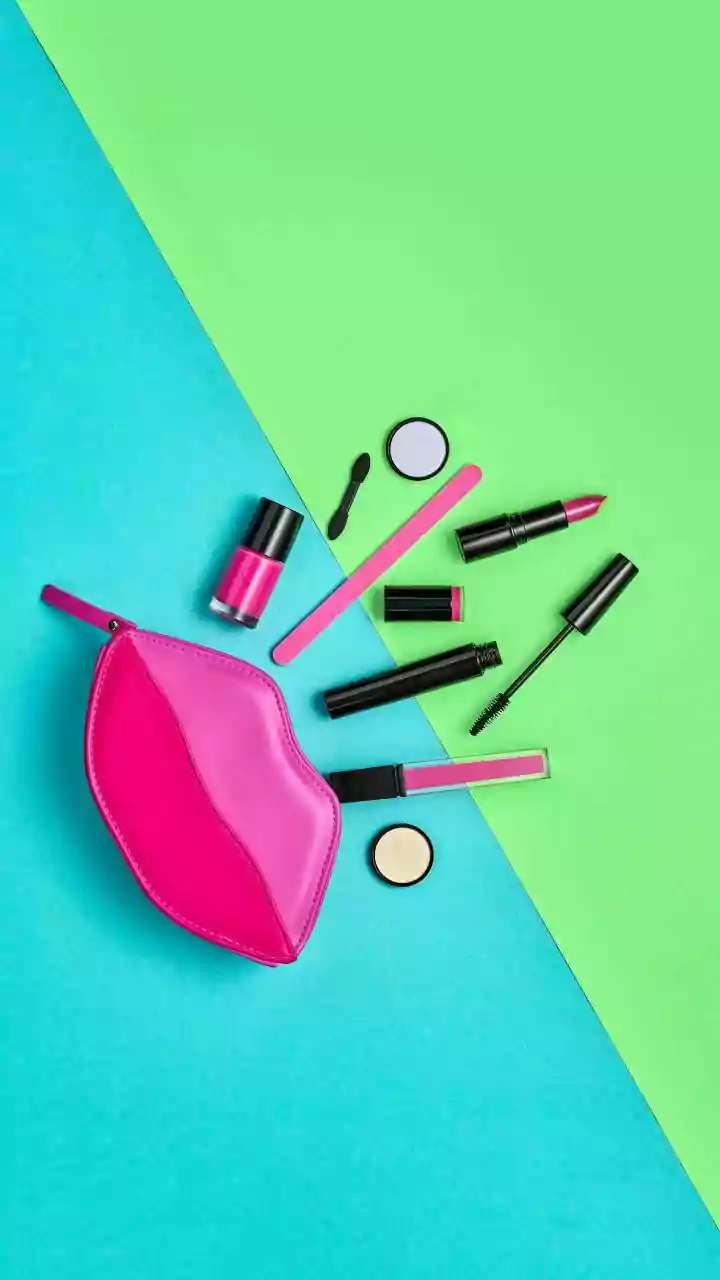
One of the most visible ways AI has changed beauty is through virtual try-on (VTO) technology. [14] Using augmented reality (AR), these tools let you see how a lipstick shade or foundation will look on your face through your phone's camera, no makeup wipes required. [13, 14, 15] This goes far beyond a simple color overlay. Advanced VTOs simulate texture, lighting, and can even be used for hairstyles and glasses. [12, 17] For brands, the benefits are clear: shoppers who use VTO are more likely to make a purchase, and return rates can be significantly reduced. [14, 16] For consumers, it offers a level of convenience and freedom to experiment that was previously impossible online, bridging the gap between digital shopping and the confidence of an in-store experience. [15]
The New Face of Beauty Marketing
AI's influence extends into the very image of beauty itself. Brands are now partnering with AI firms like OpenAI to transform everything from research to marketing. [9, 27] We are seeing the rise of AI-generated models and influencers, capable of showcasing products in theoretically limitless scenarios. This technology can also forecast beauty trends by analyzing social media, allowing brands to be incredibly nimble. [18] For example, a future version of L'Oréal's Perso could formulate a lipstick shade to match your outfit based on what's currently trending online. [18] This creates a powerful feedback loop where AI not only recommends products but also helps create the demand for them.
The Unpretty Side of a Perfect Algorithm
This technological leap is not without serious concerns. A significant issue is algorithmic bias. [7] AI is only as good as the data it's trained on. If training datasets primarily feature light-skinned individuals, the AI will be less accurate for people with darker skin tones. [3, 7] This can lead to a foundation-matching tool that fails on deep skin tones or a skin analysis app that misidentifies concerns on diverse faces, perpetuating existing industry inequalities. [3, 7] A 2016 AI-judged beauty contest, for instance, overwhelmingly selected white participants as winners, highlighting how easily human biases can be coded into technology. [11, 20] Furthermore, these tools raise major data privacy questions. When you scan your face, you're creating a detailed biometric map. [19, 26, 28] Consumers must consider where that sensitive data is stored, how it's being protected, and if it could be used for other purposes, such as training surveillance algorithms. [7, 26, 29, 30] Brands have a huge responsibility to be transparent and ensure this new era of beauty is both equitable and secure. [7, 28]