





1. Master the Airflow
The number one enemy during monsoon is stagnant, humid air, which leads to mould and that unmistakable musty smell. An architectural approach focuses on circulation. Even when it’s raining, open windows on opposite sides of your home for at least 15-20
minutes daily, preferably when it's breezy but not pouring. This creates cross-ventilation that pushes damp air out. For rooms without this option, a dehumidifier is a worthy investment, but a designer’s low-tech secret is placing bowls of rock salt or charcoal in corners. They are natural hygroscopics, quietly absorbing excess moisture from the air.
2. Edit Your Textiles
Heavy fabrics are moisture magnets. The first step in a monsoon reset is a textile edit. Roll up and store your thick carpets and heavy woollen rugs. Replace them with light, washable dhurries or bamboo mats that don't trap dampness and are easy to clean. Swap heavy drapes for sheer or lightweight cotton curtains. This not only prevents a musty feel but also maximizes the diffused natural light on overcast days, making rooms feel brighter and more spacious. For sofas and cushions, consider switching to covers made of linen or cotton blends that breathe easily.
3. Protect Your Wooden Treasures
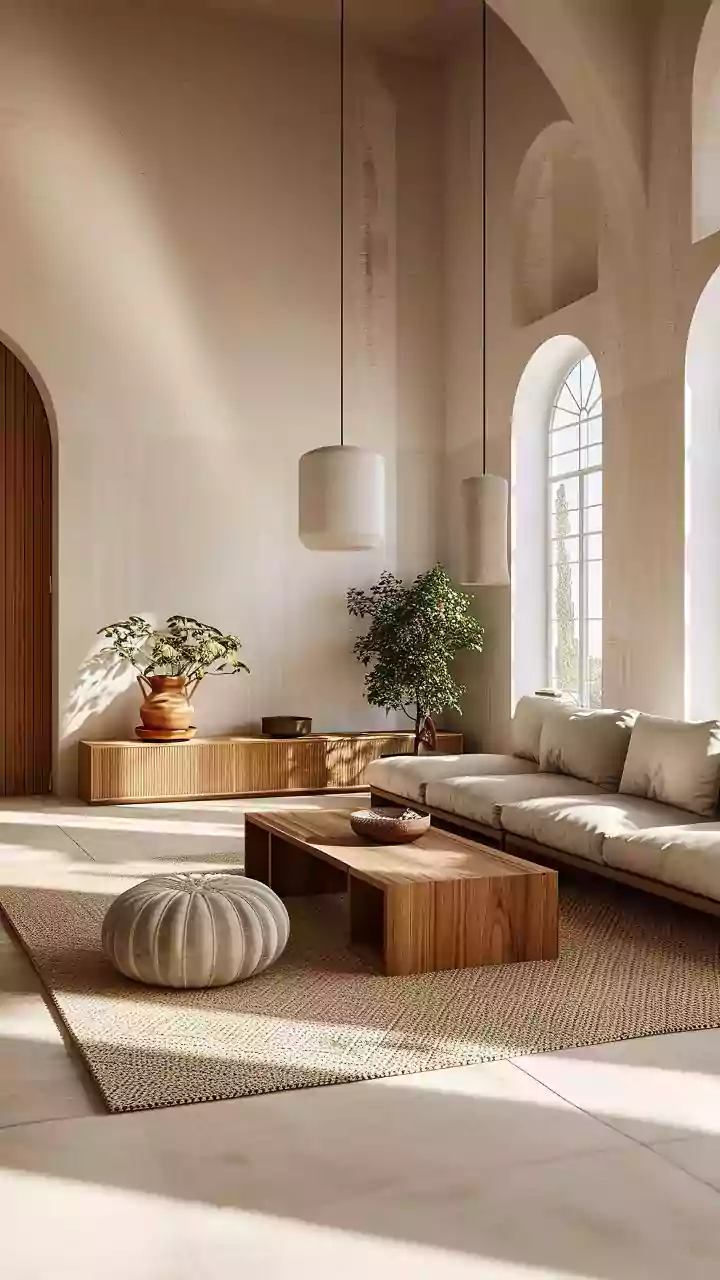
Wood is particularly vulnerable during the monsoon; it swells, warps, and can even develop mildew. Designers advise creating space. Pull wooden furniture, like wardrobes and sideboards, at least six inches away from walls. This simple move allows air to circulate behind them, preventing moisture from getting trapped between the furniture and a cool wall. Regularly wipe down wooden surfaces with a dry, soft cloth. For an extra layer of protection, a light coat of wax polish can help repel moisture. Avoid any wet cleaning methods for furniture during these months.
4. Re-engineer Your Lighting
Grey skies can make interiors feel dull and uninspiring. The designer’s trick is to use 'layered lighting'. Instead of relying on a single, harsh overhead light, create pools of warmth. Use a combination of floor lamps, table lamps, and even scented candles. Focus on 'task lighting' in areas like reading nooks or kitchen counters. The secret is to use warm-toned LED bulbs (around 2700K) to mimic the cosy glow of incandescent light, which psychologically counters the gloominess of the weather outside. Mirrors are another powerful tool; place one opposite a window to bounce and amplify the available natural light.
5. Curate the Scent of Your Home
A monsoon home shouldn't smell of damp clothes. It should have a signature scent. While air fresheners can be overpowering, designers prefer natural, subtle solutions. An essential oil diffuser with scents like lemongrass, eucalyptus, or sandalwood can purify the air and impart a refreshing fragrance. A more traditional method is to place camphor balls or dried neem leaves in wardrobes and corners; they are excellent at warding off insects and absorbing musty odours. Simmering a pot of water with cinnamon sticks, cloves, and citrus peels on the stove for an hour can fill your entire home with a warm, inviting aroma.
6. Create Dedicated 'Cosy' Zones
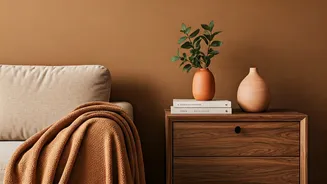
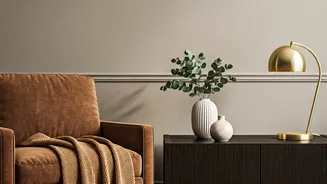
The monsoon is the perfect season for introspection and relaxation. A well-designed home encourages this. You don't need a huge house to create a 'cosy corner'. It can be as simple as an armchair by a window, updated with a soft throw and a plush cushion. Add a small side table for your cup of chai and a book, and a warm-toned lamp. This creates a dedicated zone for unwinding, turning your home into a sanctuary from the downpour. This intentional creation of a comfortable nook is a hallmark of a space designed for living, not just for looking at.