







Railways' Renewed Focus on Food Safety
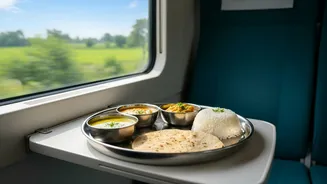
Indian Railways, in a significant push to enhance passenger experience, is cracking down on unhygienic and unauthorised food sales. Recent enforcement drives have seen railway authorities penalising vendors and even terminating contracts for failing to meet
quality standards. In the last three years, penalties worth ₹5.13 crore have been imposed on caterers for violations. This initiative is part of a broader strategy that includes regular inspections, food sampling, and staff training to ensure the food served on trains is safe and hygienic. For passengers, this signals a zero-tolerance approach from the railways towards sub-standard food, but it also highlights the need for travellers to be vigilant.
How to Identify an Authorised Vendor
The simplest way to distinguish an official vendor from an unauthorised one is by checking their identity card. Indian Railways has made it mandatory for all onboard catering staff to carry QR code-enabled ID cards. A quick scan of this QR code reveals the vendor's name, their Aadhaar number, police verification, and medical fitness details, confirming their legitimacy. These cards are designed to be easily verifiable by both passengers and inspection officials. If a vendor cannot produce this specific ID, it is a major red flag, and passengers are advised not to purchase anything from them. This measure is crucial in preventing the risks associated with food from unverified sources.
Know the Official Rates and Demand a Bill
Overcharging is a common complaint among passengers. To combat this, Indian Railways maintains a standard rate card for all menu items. This list is available on the IRCTC website and should also be present with pantry car managers and waiters. Furthermore, the Railways is implementing a 'no bill, no pay' policy, encouraging passengers to insist on a receipt for every purchase. Many vendors are now equipped with Point of Sale (POS) machines for transparent billing. Some food packets also come with a QR code that displays details like the kitchen's name and the packing date, adding another layer of transparency. Passengers also receive an SMS with a link to the menu and tariff when they book their ticket.
Using IRCTC eCatering for Assured Quality
For passengers who prefer to plan their meals, the IRCTC eCatering service offers a reliable alternative. Through the official 'Food on Track' app or the eCatering website, travellers can order meals from FSSAI-approved restaurants that are partnered with IRCTC. By simply entering your PNR number, you can browse menus from various vendors that will deliver to your seat at scheduled station stops. This system ensures that the food is prepared in hygienic, audited kitchens and delivered with accountability. Payments are made through the secure official platform, eliminating the risks of overcharging or dealing with fraudulent operators.
How to Lodge a Complaint Effectively
If you encounter any issues—be it overcharging, poor quality food, or an unauthorised vendor—Indian Railways has a streamlined grievance redressal system called RailMadad. Passengers can file a complaint through multiple channels: by calling the helpline number 139, using the RailMadad app or website, or even via SMS. For immediate action, especially while on a moving train, tweeting the complaint with your PNR details to handles like @RailMinIndia and @IRCTCofficial can also be effective. When filing a complaint, providing details such as your PNR number, train number, and any photographic evidence can lead to a quicker resolution.