



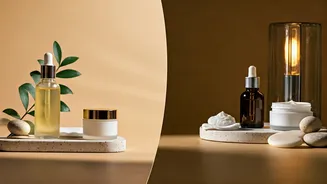




The Core Mission: Protect vs. Repair
The single biggest difference between your morning and nighttime skincare routines is their primary goal. Think of it this way: your morning routine is for protection, and your nighttime routine is for repair. During the day, your skin is a shield, defending
itself against environmental stressors like UV radiation, pollution, and other external factors. At night, your skin switches into recovery mode. As you sleep, it works hard to regenerate cells, repair damage, and replenish lost moisture. Understanding this fundamental difference is the key to building an effective regimen that works in harmony with your skin's natural 24-hour cycle, often called its circadian rhythm.
The Morning Routine: Your Daily Armour
A morning routine should be focused on prepping and protecting your skin for the day ahead. The goal is to hydrate and create a defensive barrier against environmental aggressors. A simple morning routine involves three key functions. First, a gentle cleanse to remove any oil and sweat that built up overnight. Second, an antioxidant serum. Ingredients like Vitamin C are ideal for mornings because they help neutralize free radicals caused by UV rays and pollution, essentially acting as a second layer of defense. Finally, and most critically, is sunscreen. Applying a broad-spectrum SPF of 30 or higher is the single most important step to protect your skin from sun damage, which is a leading cause of premature aging and skin cancer. A lightweight moisturizer can be applied before sunscreen to keep the skin hydrated.
The Nighttime Routine: The Repair Crew
At night, your skincare routine shifts to cleansing the day away and providing your skin with the tools it needs to regenerate. This is the time to focus on treatment and deep nourishment. A thorough cleanse, sometimes a double cleanse to first remove makeup and sunscreen, is crucial to start with a clean slate. With the day's grime gone, your skin is more receptive to active ingredients. This is the ideal window to use targeted treatments. Potent ingredients like retinoids (Vitamin A derivatives) are best used at night because they can make the skin more sensitive to sunlight and can degrade in UV light. Retinoids are superstars for accelerating cell turnover and boosting collagen production. This is also a great time for exfoliants (like AHAs), peptides, and richer, more nourishing moisturizers that lock in hydration and support the skin's repair processes while you sleep.
Why Ingredient Timing Matters
Using the right product at the wrong time can sometimes be ineffective or even counterproductive. For instance, applying retinol in the morning can increase sun sensitivity and its effectiveness is reduced by UV exposure. Conversely, using a thick, heavy night cream during the day can feel greasy and may clog pores. And skipping sunscreen in the morning means you miss out on the most crucial step for preventing long-term skin damage. Some ingredients, like hydrating hyaluronic acid and calming niacinamide, are versatile and can be used in both routines. However, for your powerhouse active ingredients, timing is everything. By aligning your product use with your skin’s natural rhythm—protection in the AM, correction in the PM—you give each product the best environment to deliver its intended benefits.