



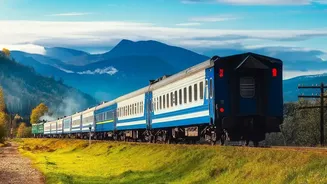
The Smart Traveller’s Choice
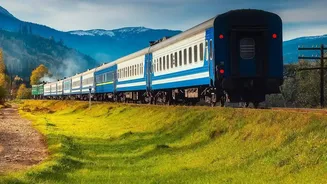
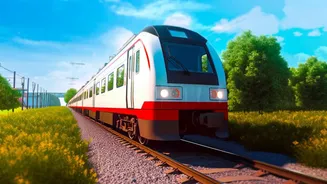
In the vast network of Indian Railways, the Jan Shatabdi Express occupies a sweet spot. Positioned as a more affordable version of the premium Shatabdi Express, its name itself—'Jan' meaning 'common people'—highlights its purpose. These trains offer a comfortable,
fast, and economical way to travel between major cities, primarily during the daytime. While they may not have the complimentary meals of a Shatabdi or the opulence of a Vistadome coach, Jan Shatabdi trains provide a clean, efficient service with options for both air-conditioned Chair Car (CC) and non-AC Second Sitting (2S), making them accessible to a wide range of travellers. This focus on utility and value is precisely what makes them an unsung hero for scenic journeys.
The Konkan Route: A Monsoon Spectacle
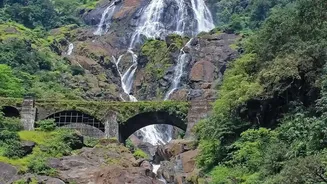
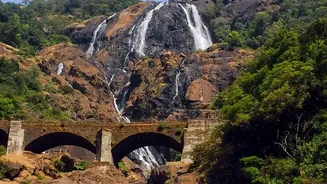
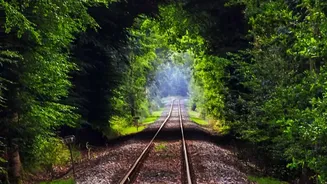
The most celebrated route for this experience is the journey between Mumbai and Goa on the 12051 Dadar-Madgaon Jan Shatabdi Express. This train traverses the famed Konkan Railway line, a marvel of engineering that cuts through the heart of the Western Ghats. While beautiful year-round, the route transforms into a magical wonderland during the monsoon months (June to October). Passengers are treated to a visual feast of emerald-green landscapes, countless waterfalls cascading down hillsides, and the dramatic sight of the train plunging into some of the 91 tunnels along the way. The large windows of the Jan Shatabdi coaches offer an excellent vantage point for this natural spectacle, making the journey as memorable as the destination itself.
Through the Ghats of Karnataka
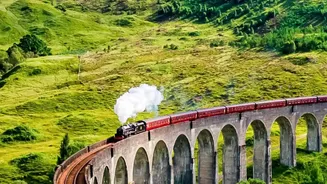
It’s not just the Konkan coast that offers these breathtaking views. Another remarkable journey is the one between Mangaluru and Yesvantpur (Bengaluru). The trains on this line, often sharing routes with services that have Vistadome coaches, navigate the dramatic Sakleshpur-Subramanya Ghat section. This stretch is renowned for its dense forests, deep valleys, and numerous viaducts that offer heart-stopping views. As the train winds its way up or down the ghats, passengers can witness the raw beauty of Malnad, with mist-covered peaks and streams that come alive during the rains. Choosing the Jan Shatabdi or an equivalent express train on this route provides a similar visual experience to the more expensive Vistadome, but for a fraction of the cost.
Affordability Meets Adventure
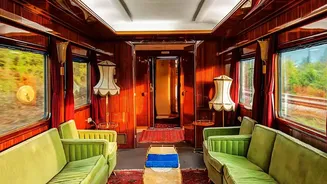
The primary appeal of choosing a Jan Shatabdi for a scenic trip is its unbeatable value. A ticket in the Second Sitting (2S) coach on the Dadar-Madgaon route can cost as little as a few hundred rupees, while an AC Chair Car (CC) seat remains highly affordable, often under ₹1100. This is significantly cheaper than the premium Vistadome coaches attached to some of these very trains, where fares can be more than double. While Vistadome coaches offer panoramic glass roofs and rotatable seats, the Jan Shatabdi provides the same essential view—the majestic Western Ghats—without the premium price tag. For travellers who prioritise the destination and the view over onboard luxury, the Jan Shatabdi is an easy choice.
Tips for the Perfect Rail Journey
To make the most of your scenic Jan Shatabdi journey, a little planning goes a long way. First, book your tickets well in advance, especially if travelling during the monsoon or on weekends, as these routes are very popular. For the Dadar-Madgaon journey, a seat on the right side of the train (when facing the direction of travel) generally offers better views of the valleys and coastline. Since meals are not included in the fare, you can either purchase food from the onboard catering service or pack your own snacks and drinks for the ride. Finally, ensure your camera is ready and your phone is fully charged. While the train moves at a brisk pace, there are countless moments of stunning beauty you’ll want to capture through the wide, clear windows.