




The Celestial Shows of 2026
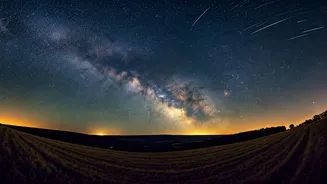
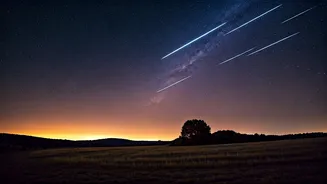
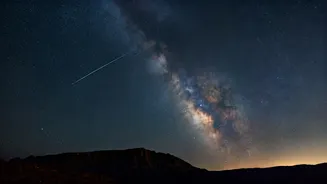
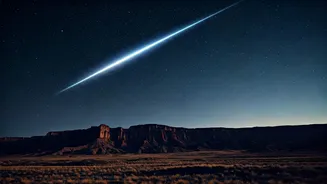
While several meteor showers occur throughout the year, two stand out in 2026 for their intensity and favourable viewing conditions in India: the Perseids in August and the Geminids in December. The Perseid meteor shower, active from mid-July to late
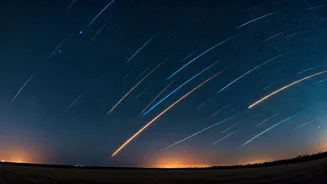
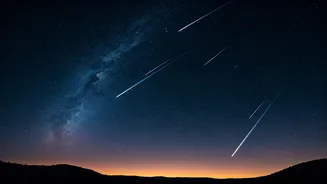
August, is set to peak on the night of August 12-13. This year is particularly special as the peak coincides with a new moon, promising exceptionally dark skies. The Geminids, often considered the most reliable and spectacular shower of the year, will peak on December 13-14. It boasts a high rate of meteors, often reaching up to 120 per hour, and a near-new moon means viewing conditions will be fantastic.
Why Planning Starts Now
The urgency in the headline is real. The best meteor shower experiences happen far from the light pollution of cities. These prime dark-sky locations, often in remote areas, national parks, or high-altitude regions, require travel and sometimes accommodation. For popular events like the Perseids and Geminids, hotels and homestays in key viewing areas can book up months in advance. Planning now means you can secure your spot, arrange transport, and ensure you're not left scrambling at the last minute. It's the difference between catching a few faint streaks from the suburbs and experiencing a truly immersive celestial downpour.
Finding Your Dark-Sky Haven
India has a wealth of locations perfect for stargazing. For the August Perseids, the main challenge is the monsoon season. To counter this, head to rain-shadow regions like Ladakh and Spiti Valley in Himachal Pradesh. These high-altitude deserts offer incredibly clear and dry skies. Other promising spots include the arid deserts of Jaisalmer and the Rann of Kutch. For the December Geminids, when skies are clearer across much of the country, options expand. Consider locations like Coorg in Karnataka, parts of the Kumaon Himalayas in Uttarakhand like Kausani, or astro-resorts like the one near Sariska Tiger Reserve. Hanle in Ladakh is designated as India's first Dark Sky Reserve, offering pristine conditions for those willing to make the journey.
The Essential Viewing Checklist
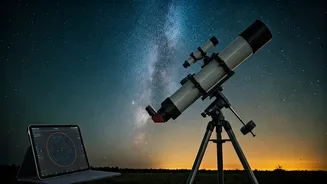
You don't need expensive equipment to enjoy a meteor shower; the naked eye is best as it allows you to take in a wide expanse of sky. Comfort, however, is key. Your checklist should include a reclining chair or a thick blanket to lie on, preventing neck strain. Dress in warm layers, as even summer nights can get chilly when you're sitting still for hours. A red-light torch is a must-have, as white light from a regular torch or phone screen will ruin your night vision, which takes about 20-30 minutes to fully adapt to the dark. Finally, pack some snacks and a thermos with a warm drink to make the wait more enjoyable.
Pro Tips for a Perfect Night
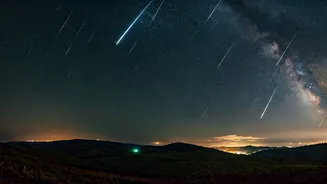
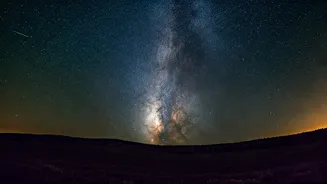
Once you've reached your chosen spot, patience is your greatest virtue. Meteors often come in spurts, with lulls in between, so plan to watch for at least an hour. Arrive early and give your eyes at least 20 minutes to fully adjust to the darkness before the main show begins. While meteors can appear anywhere in the sky, they will all seem to originate from a single point called the radiant. Stargazing apps can help you locate the radiant constellation (Perseus for the Perseids, Gemini for the Geminids), but it's often better to just lie back and look straight up, filling your field of view with as much sky as possible. And of course, always check the weather forecast before you head out.
A Note for Aspiring Photographers
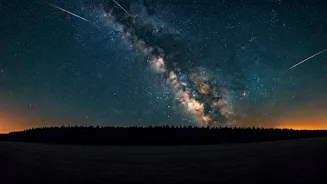
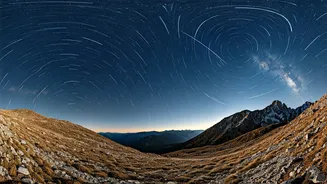
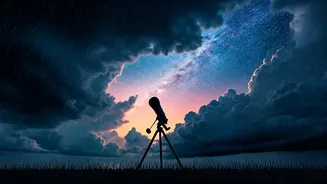
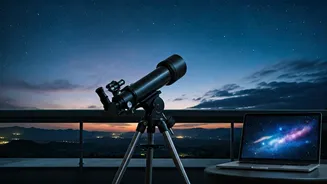
Photographing meteors requires more than just a phone camera, but it can be rewarding. You'll need a DSLR or mirrorless camera with manual controls, a wide-angle lens (f/2.8 or faster is ideal), and a sturdy tripod. Use manual focus to set your lens to infinity. To capture the faint streaks, you'll need a long exposure—try starting with a 20-second shutter speed, an aperture of f/2.8, and an ISO of 1600-4000. Using an intervalometer to take continuous shots is the best way to increase your chances of capturing a spectacular fireball.