


The Problem with Dampness
Especially during the monsoon season, many Indian rental apartments struggle with excess humidity. This isn't just a comfort issue; it creates a breeding ground for mould and mildew, which can lead to musty smells, damage belongings, and affect respiratory
health. While major structural issues require a landlord's intervention, you can significantly improve your daily living environment by controlling the ambient moisture in the air. These natural, affordable, and renter-friendly solutions can make a world of difference without requiring any permanent changes to the property.
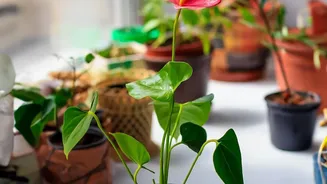
1. Peace Lily (Spathiphyllum)
The Peace Lily is a champion for humid spaces like bathrooms and kitchens. Its broad, glossy leaves don't just look elegant; they absorb moisture from the air. This plant is known for its ability to thrive in higher humidity and its flowers can be an indicator of its happiness. As a tropical plant, it naturally enjoys the exact conditions you’re trying to combat. It’s also quite forgiving, preferring bright, indirect light but tolerating lower light levels. Water it when the top inch of soil feels dry, and it will reward you by helping to balance your home's atmosphere. Its air-purifying qualities are an added bonus.
2. Snake Plant (Sansevieria)
The Snake Plant, or Mother-in-Law's Tongue, is perhaps the hardiest and most low-maintenance plant you can own, making it perfect for busy renters. It’s a superstar at absorbing excess moisture, particularly at night when it also releases oxygen, making it a great addition to the bedroom. This plant is incredibly resilient, tolerating low light and infrequent watering. In fact, you're more likely to harm it by overwatering than by forgetting it for a week or two. Its strong, vertical leaves take up very little floor space, fitting perfectly into tight corners.
3. Spider Plant (Chlorophytum comosum)
The adaptable Spider Plant is another excellent choice for beginners. It's known to be a natural dehumidifier, absorbing moisture from the air through its leaves. Spider Plants thrive in humid environments, which makes them well-suited to damp corners of a home. They are quite forgiving about light conditions, happy in both low light and bright, indirect sunlight. One thing to note is their sensitivity to fluoride in tap water, which can cause brown tips; letting water sit for 24 hours before use can help. Beyond managing humidity, they are easy to propagate and known for their air-cleaning abilities.
4. Boston Fern (Nephrolepis exaltata)
With its lush, feathery fronds, the Boston Fern is a beautiful plant that loves humidity. Native to tropical forests and swamps, it naturally absorbs moisture from the air, making it an ideal plant for a bathroom or a damp living room corner. This fern prefers high humidity to thrive, so it will gladly soak up the excess in your home. It needs bright, indirect light and consistently moist soil to stay green and vibrant. While it might require a bit more attention than a Snake Plant, its effectiveness at tackling airborne moisture is a significant payoff.
5. English Ivy (Hedera helix)
English Ivy is a hardy vine that is particularly effective at absorbing airborne mould spores, a common side effect of damp conditions. It thrives in moisture and works well in bathrooms or kitchens where steam is common. As a trailing plant, it’s a great space-saver; you can place it on a high shelf or in a hanging basket. It prefers cooler rooms and bright, indirect light. Studies have noted its impressive ability to filter toxins from the air, making your home's environment healthier. Just be mindful that it can be toxic to pets if ingested, so place it out of reach of cats and dogs.
The Role of Clay Dehumidifiers
Beyond plants, clay dehumidifiers offer a simple, non-electric solution. These are typically porous terracotta or bentonite clay objects—available as decorative pots, bricks, or small sachets—that work through adsorption. The clay's porous structure naturally attracts and traps water vapour from the air, helping to lower ambient humidity. This process is passive, silent, and requires no electricity. While not powerful enough to resolve a major leak, they are excellent for managing moisture in enclosed spaces like wardrobes, cabinets, or small, stuffy bathrooms. Many are reusable; once saturated, they can be dried out in the sun or a low oven and used again, making them a sustainable and cost-effective choice.