




More Than Just a Holiday
For decades, domestic travel in India was often centred around visiting family, pilgrimage, or classic holiday destinations. Today, a significant shift is underway. A growing number of Indian travellers, particularly millennials and Gen Z, are planning
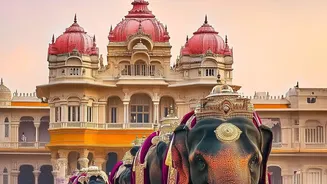
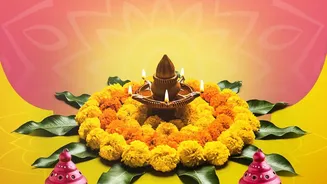
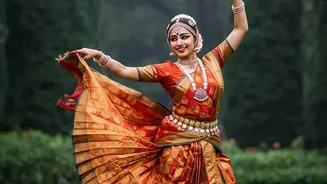
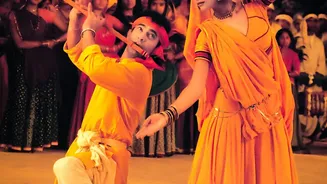
trips specifically to experience cultural events. A recent report highlighted that 82% of Indian travellers are keen on trips focused on cultural offerings, with many stating they have altered travel plans just to attend a festival. This isn't just about witnessing a spectacle; it's about immersion. Travellers are seeking authentic experiences that connect them to local heritage, traditions, and communities, and festivals provide the perfect opportunity. This trend moves beyond the major religious events like Diwali or Holi, expanding to include unique regional and folk festivals that offer a distinct taste of local life.
The Economic Ripple Effect
When a traveller visits a destination for a festival, their spending creates a significant economic ripple effect that benefits the entire local ecosystem. The impact goes far beyond ticket sales for the event itself. Money flows into local hotels, guesthouses, and homestays, many of which see predictable demand surges during festival seasons. Restaurants, cafes, and street food vendors thrive. Local artisans and handicraft markets find a ready audience for their goods, and transport providers, from airlines to local auto-rickshaws, see a spike in business. This model is particularly powerful because many festivals are held in non-metro or rural areas, helping to distribute tourism revenue beyond the traditional hotspots and supporting economies that need it most. By turning cultural moments into structured tourism experiences, these events can help reduce seasonal slumps in the hospitality industry and create more stable, year-round employment.
Spotlight on Success Stories
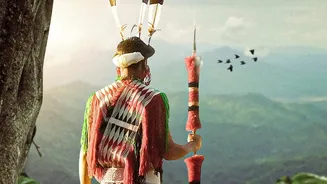
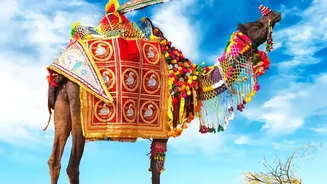
Several festivals across India already serve as powerful case studies. The Hornbill Festival in Nagaland, for example, was conceived as a way to showcase the rich culture of the state's tribes and has become a major international and domestic tourist draw. Similarly, the Rann Utsav in Gujarat transforms the stark white salt desert into a bustling tent city, attracting hundreds of thousands of visitors and generating substantial income for the region. In Arunachal Pradesh, the Ziro Festival of Music has put a remote valley on the map for indie music lovers, demonstrating how even contemporary events can drive cultural tourism. In Kolkata, Durga Puja is not just a religious event but a massive creative and economic enterprise, with travellers flocking to witness the artistic pandals. These events show that with the right packaging and promotion, a local celebration can become a destination in itself.
Drivers of the New Travel Wave
Several factors are fuelling this boom. Rising disposable incomes and an expanding middle class mean more Indians have the financial capacity to travel for leisure. Furthermore, younger generations increasingly see travel as an essential part of their lifestyle, not just a luxury. They prioritize gaining new experiences and knowledge over simple relaxation. The rise of social media and digital platforms has also been a game-changer. Platforms like YouTube and Instagram have made niche festivals in remote corners of the country discoverable to a global audience, sparking curiosity and travel intent. The government has also played a role, with initiatives like the Swadesh Darshan and PRASHAD schemes aimed at developing infrastructure around theme-based cultural and pilgrimage circuits.
Challenges and the Path Forward
However, this growth is not without its challenges. The surge in visitors can strain local infrastructure, leading to overcrowding and pressure on resources. There is also the risk of over-commercialization, which can dilute the authenticity of the very traditions that travellers come to experience. Sustainability is another key concern, as large gatherings can have a significant environmental impact if not managed properly. For festival tourism to grow responsibly, a concerted effort is needed from all stakeholders. This includes better crowd management, robust waste control, and ensuring that local communities are primary beneficiaries, not just service providers. Investing in digital discoverability, such as a national festival calendar, could also help distribute tourists more evenly across different regions and times of the year.