



The Great Indian Vitamin D Paradox
It seems contradictory: in a sun-drenched country like India, why is Vitamin D deficiency so widespread? The reasons are complex. Modern indoor lifestyles, air pollution that blocks UVB rays, cultural practices of covering up, and darker skin pigmentation
(which naturally reduces Vitamin D synthesis) all contribute. Studies have shown that deficiency is prevalent across all ages and socioeconomic groups, from young children to adults. This makes dietary sources and food fortification not just a good idea, but a public health necessity.
Understanding Food Fortification
Food fortification is the process of deliberately adding essential micronutrients, like vitamins and minerals, to staple foods to improve their nutritional quality. In India, the Food Safety and Standards Authority of India (FSSAI) regulates this process. When you see the blue '+F' logo on a package of milk, oil, or flour, it signifies that the product has been fortified according to FSSAI standards. This strategy aims to combat widespread nutritional gaps in the population without requiring people to drastically change their eating habits.
Dairy: Your Fortified Daily Dose
For many Indian households, dairy is a daily staple, making it an excellent vehicle for Vitamin D. Fortified milk is one of the most accessible sources for vegetarians. Toned and double-toned milk, which lose some fat-soluble vitamins during processing, are often fortified with Vitamins A and D to compensate. A single glass of fortified milk can provide a significant portion of your recommended daily allowance. Beyond milk, look for fortified curd (yoghurt), paneer, and even some types of cheese, which can further boost your intake. Always check the packaging for the '+F' logo or a mention of added Vitamin D in the nutritional information.
Plant-Based Power: More Than Just Dairy
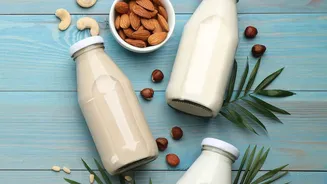
If you are vegan, lactose intolerant, or simply looking for non-dairy options, the choices are growing. Fortified plant-based milks, such as soy, almond, and oat milk, are becoming more common in urban Indian markets. These can be a reliable source of Vitamin D, but fortification is not universal, so reading the label is key. Another powerful, and often overlooked, plant-based source is mushrooms. While most vegetables contain no Vitamin D, mushrooms are unique. When exposed to UV light (like direct sunlight), they naturally produce Vitamin D2. Some brands sell pre-exposed mushrooms, or you can even place regular button mushrooms gill-side-up in the sun for about 30 minutes before cooking to enhance their Vitamin D content. Fortified breakfast cereals and juices are other options to consider.
Reading the Label: How to Be Sure
The single most important habit to adopt is checking the nutritional label. Don't assume a product is fortified. Look for the FSSAI's blue '+F' logo, which is the clearest indicator. If the logo isn't present, scan the nutrition facts panel for 'Vitamin D'. The amount is typically listed in International Units (IU) or micrograms (mcg). For reference, the recommended dietary allowance for most adults in India is around 600 IU (15 mcg) per day. This simple check helps you make informed choices and ensures you're actually getting the nutrients you need.