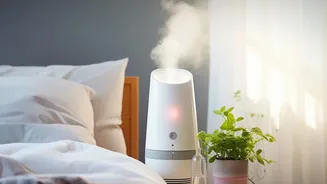









The Unseen Sleep Thief
Many of us blame high temperatures for a bad night's sleep, but humidity is a powerful, often overlooked, factor in sleep quality. High humidity refers to a large concentration of water vapor in the air. When the air is saturated with moisture, it can
make even moderate temperatures feel oppressive and uncomfortable, directly impacting your body's ability to rest and recover. Studies have shown that elevated humidity can increase wakefulness and disrupt the most crucial stages of sleep, leaving you feeling groggy and unrested the next day. It creates a sticky, clammy feeling and can turn your bedroom into an environment that works against, rather than for, a peaceful slumber.
How Humidity Hijacks Your Body's Cooling System
Your body is a finely tuned machine, and a key part of its sleep preparation process involves a slight drop in core body temperature. This temperature drop signals to your brain that it's time to rest. To cool down, your body relies on the evaporation of sweat from your skin. Here’s the problem: when humidity is high, the air is already laden with moisture, which severely slows down the evaporation process. As a result, your body struggles to shed heat effectively. This disruption to your natural thermoregulation can prevent you from reaching the deeper, more restorative stages of sleep, like slow-wave and REM sleep. Instead of cooling down, you remain warm, restless, and more prone to waking up during the night.
The Ideal Environment for Restful Sleep
So, what’s the magic number for your bedroom? Most experts agree that the ideal relative humidity for sleeping is between 30% and 50%. Within this range, the air has enough moisture to prevent your airways from becoming dry and irritated but is dry enough to allow your body to cool itself efficiently. Anything above 60% is generally considered too high for comfort and can promote the growth of allergens like mold and dust mites, which can further disrupt sleep by causing congestion and other respiratory issues. Conversely, air that is too dry (below 30%) can lead to a scratchy throat, dry skin, and irritated sinuses, also making it harder to sleep soundly.
Practical Steps to Control Bedroom Humidity
Creating a better sleep environment is within your control. The most effective tool against high indoor humidity is a dehumidifier, which actively pulls moisture from the air. If you have an air conditioner, use it. AC units cool the air and remove moisture as part of their function. Ensuring good ventilation is also key; use exhaust fans in bathrooms and kitchens to expel moist air, and on less humid days, open windows to encourage airflow. Choosing the right bedding can make a big difference, too. Opt for light, breathable fabrics like cotton or linen, which allow for better air circulation and don't trap heat and moisture like synthetic materials or heavy fleece.
Simple Habits for More Comfortable Nights
Beyond managing your environment, a few simple lifestyle adjustments can help. Taking a cool or lukewarm shower before bed can help lower your body temperature, giving your internal cooling system a head start. Be mindful of indoor plants; while they are great for air quality, they also release moisture into the air, so you may want to limit the number in your bedroom if humidity is a constant issue. Pay attention to your body and the conditions in your room. If you consistently wake up feeling clammy or notice condensation on your windows, it’s a clear sign that the humidity is too high and it's time to take action for the sake of your sleep.