


The Allure and The Alert
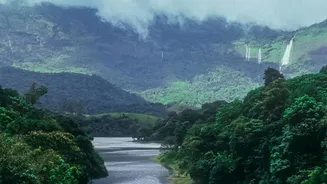
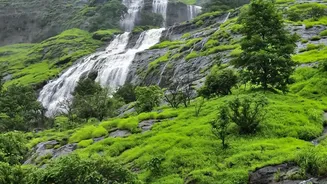
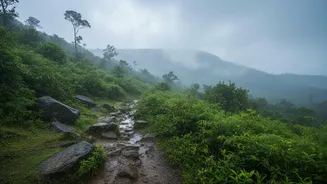
Trekking in the Western Ghats during the monsoon is an immersive experience. The landscape, a UNESCO World Heritage Site and a global biodiversity hotspot, explodes with life. Waterfalls roar back to existence, the forests become a brilliant, lush green,
and clouds often float below you in the valleys. However, the magic of the monsoon also brings with it slippery trails, reduced visibility, the risk of landslides, and leech-filled paths. As of August 2026, authorities have been enforcing stricter rules, including temporary bans on high-risk trails in states like Maharashtra, Karnataka, and Kerala following heavy rainfall. Trails like Andharban have been closed due to landslides, and access to popular peaks such as Kumara Parvatha is restricted for the season. It is crucial to check the latest advisories from state forest departments before planning any trek. Many routes now require official permits booked online and mandate hiring local guides.
The Green Code: Eco-Friendly Trekking
The fragile ecosystem of the Ghats requires every trekker to be a responsible visitor. Adhering to 'Leave No Trace' principles is non-negotiable. The most fundamental rule is 'Pack It In, Pack It Out'. This means everything you carry into the forest, including food wrappers, plastic bottles, and any other waste, must be brought back with you. Avoid single-use plastics entirely; opt for reusable water bottles and food containers. Stick strictly to marked trails. Wandering off-track can damage delicate flora and contribute to soil erosion, which is a significant concern during the heavy rains. Respect wildlife by observing from a distance and never feeding animals, as this can alter their natural behaviour. When it comes to sanitation, use designated bio-toilets where available. If not, human waste must be disposed of in catholes dug at least 6-8 inches deep and over 200 feet away from any water source, trail, or campsite to prevent contamination.
Essential Gear: Clothing and Footwear
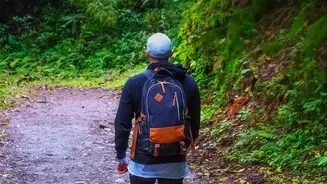
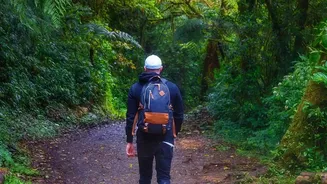
Your comfort and safety hinge on what you wear. Avoid cotton at all costs, as it absorbs moisture and takes a long time to dry, increasing your risk of feeling cold. Instead, opt for quick-drying synthetic or wool fabrics. Your clothing layers should include quick-dry t-shirts and trekking pants. The most critical piece of gear is your footwear. A pair of waterproof trekking shoes with high ankle support and a deep, aggressive grip is essential for navigating slippery, muddy, and rock-strewn paths. Gaiters can be a great addition to prevent water, mud, and leeches from getting into your shoes. Always pack several pairs of moisture-wicking socks to keep your feet dry and prevent blisters.
Your Monsoon Safety Kit
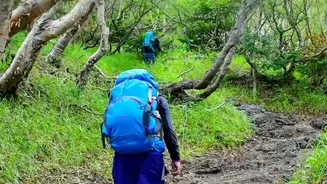
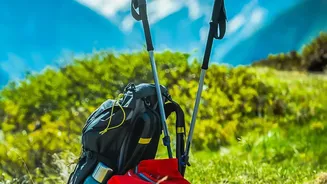
A well-packed backpack is your lifeline. Start with a waterproof backpack or ensure you have a reliable rain cover. It's wise to double-pack sensitive items like electronics and spare clothes in dry bags or plastic bags inside. Your rain protection is non-negotiable; a high-quality poncho that can cover both you and your backpack is often recommended over a simple rain jacket for its superior coverage. A trekking pole is invaluable for maintaining balance on slick descents and testing the stability of muddy patches. Your first-aid kit should be tailored for the monsoon, including basics like bandages, antiseptic wipes, and pain relievers, plus extras like anti-leech socks or candid powder to prevent fungal infections. Also include water purification tablets or a portable filter, as natural water sources may be contaminated.
Before You Step on the Trail
Preparation is key. Always check the weather forecast from a reliable source like the India Meteorological Department (IMD) right up until the morning of your trek. Inform a reliable contact back home about your detailed itinerary and expected return time. In many parts of the Western Ghats, especially within national parks and wildlife sanctuaries, hiring a local guide is now mandatory. This not only enhances your safety due to their knowledge of the terrain and weather patterns but also supports local communities. Never trek alone in the monsoon. Ensure your mobile phone is fully charged and carry a power bank, but be aware that network coverage will be sparse to non-existent in many areas. Respect all local rules and regulations, including entry cut-off times and no-go zones, which are in place for your protection.