





Understanding the Shravan Diet
Shravan, the fifth month of the Hindu calendar, is considered highly auspicious and is dedicated to Lord Shiva. For many devotees, this means observing fasts, particularly on Mondays (Somvar), or adhering to a specific diet for the entire month. This
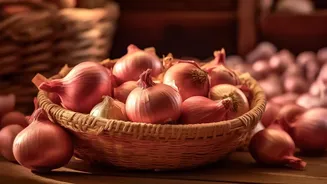
diet is traditionally sattvic, meaning it's pure, light, and easy to digest. The core principles involve avoiding non-vegetarian foods like meat, fish, and eggs. Many also abstain from onion and garlic, which are considered rajasic or tamasic, believed to increase heat and agitation in the body. This culinary shift isn't just spiritual; it has a practical side too. According to Ayurveda, the monsoon season can weaken our digestive fire (agni), and a lighter diet helps maintain balance and health. The focus moves to fresh fruits, dairy products, specific grains, and vegetables that are at their seasonal peak.
Gourds and Root Vegetables
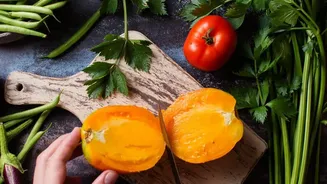
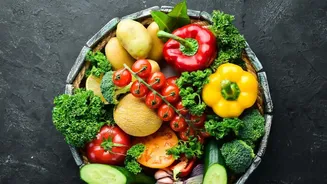
The monsoon brings an abundance of gourds and root vegetables that form the backbone of Shravan cooking. Bottle gourd (dudhi or lauki), ridge gourd (turai), and pumpkin (kaddu) are incredibly versatile. They are light, hydrating, and absorb flavours well, making them perfect for simple sabzis cooked without onion and garlic. A popular preparation is a simple lauki sabzi, tempered with cumin seeds, green chillies, and fresh coriander. Root vegetables like potatoes, sweet potatoes (ratali), and colocasia (arbi) are also staples. They provide sustained energy, crucial for those observing fasts. Sweet potato can be roasted, mashed, or pan-fried as delicious 'kaap' for a simple and filling meal. Arbi is another favourite, often fried or used in curries.
Embracing Leafy Greens
While some traditions advise caution with leafy greens during the monsoon due to potential contamination, certain greens are celebrated in Shravan cooking when cleaned thoroughly. Amaranth leaves (rajgira bhaji or chaulai) are an excellent example and are particularly valued for their high iron content. A simple stir-fry of these greens with coconut and minimal spices makes for a quick, nutrient-dense meal. Other greens like spinach (palak) and fenugreek (methi) are also used in various regional preparations, often cooked into simple dishes that are both nourishing and compliant with fasting norms.
Fasting Grains and Flours
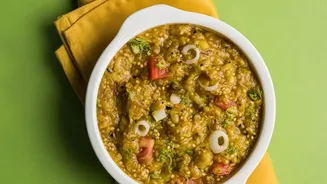
During Shravan fasts, regular grains like wheat and rice are often avoided. Instead, a special category of 'vrat' or fasting flours takes centre stage. These include buckwheat flour (kuttu ka atta), water chestnut flour (singhare ka atta), and amaranth flour (rajgira ka atta). These flours are used to make puris, parathas, and cheelas that pair beautifully with simple potato curries. Barnyard millet (samak rice or varai) serves as a substitute for rice, used to prepare everything from khichdi to pulao and kheer. Sabudana, or tapioca pearls, is another fasting superstar, beloved for its versatility in making khichdi, vadas, and kheer, providing a light yet energy-rich meal.
Fruits, Dairy, and Nuts
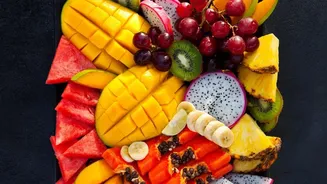
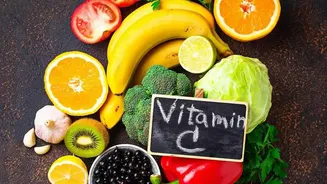
Fruits are an essential component of the Shravan diet, providing natural sugars, vitamins, and hydration. Seasonal fruits are always the best choice. Dairy products like milk, yogurt (curd), paneer, and buttermilk are also widely consumed, offering protein and calcium to keep energy levels stable. A bowl of fresh curd or a glass of buttermilk is a refreshing and gut-friendly addition to any meal. Dry fruits and nuts such as almonds, walnuts, and peanuts are perfect for snacking, providing healthy fats and a feeling of fullness. Roasted makhana (fox nuts) are another popular, light, and crunchy snack often enjoyed during this time.