



Assess Your Experience Level
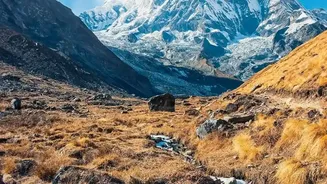
Before you even look at a map, the most important step is to honestly assess your fitness and trekking experience. High-altitude environments are demanding, and snow adds another layer of complexity. Beginners should look for treks with gradual ascents,
well-defined trails, and altitudes that do not exceed 12,500 feet. These treks are typically shorter, lasting 4-6 days, and have accessible base camps. Intermediate and advanced trekkers can consider longer expeditions, higher altitudes, and more challenging terrain, such as crossing passes or camping on frozen rivers where conditions can be extreme.
Key Factors for Choosing a Site
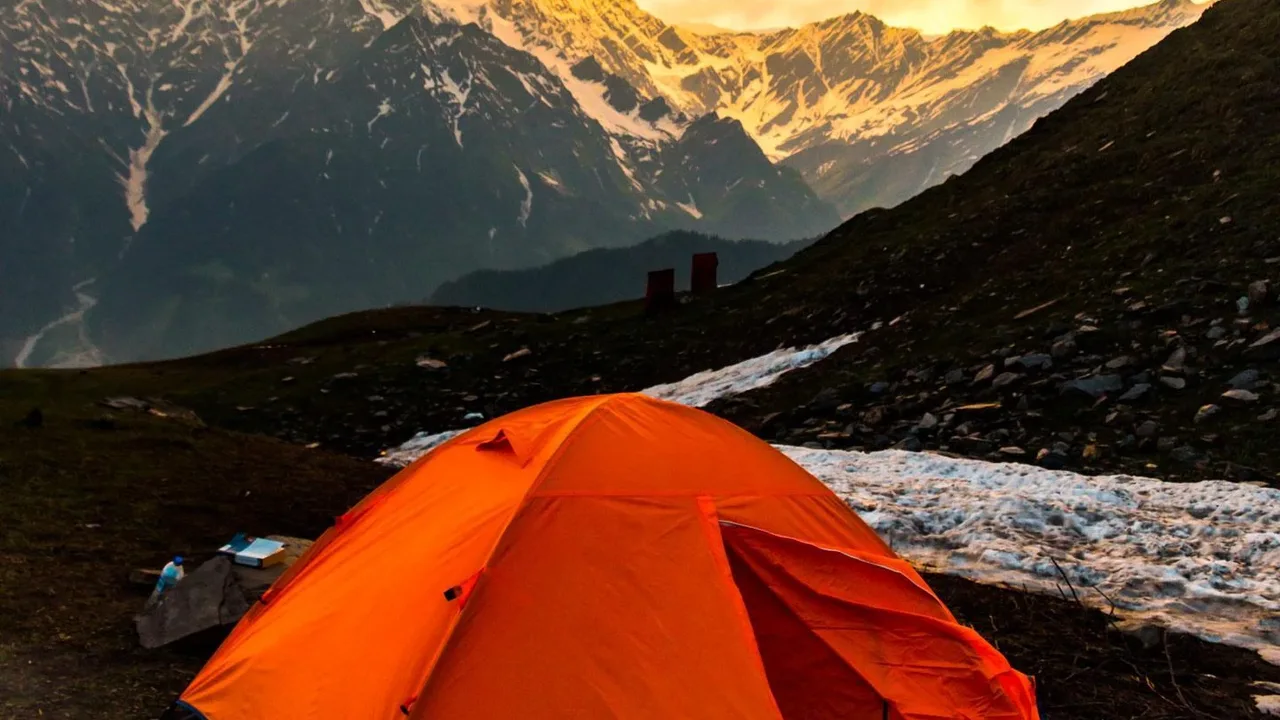
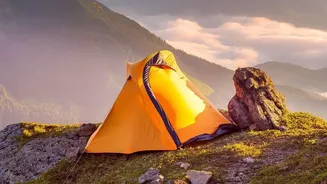
Once you know your skill level, consider these crucial factors. Accessibility is key; look for a base camp that is reachable by road, like Sankri for the Kedarkantha trek. The best time to go is critical, as winter windows in the Himalayas are specific. Most snow treks are best between December and February. Also, consider the nature of the campsites. A good campsite should be on relatively flat ground, protected from high winds, and have a reliable (not frozen) water source nearby. Finally, always check permit requirements. Some areas, especially in Ladakh or near national park boundaries, require an Inner Line Permit (ILP) or forest entry permits.
For Beginners: Kedarkantha, Uttarakhand
Often called the 'Queen of Winter Treks', Kedarkantha is one of India's most popular choices for those new to snow camping. Located in Govind Pashu Vihar National Park, the trek is rated easy to moderate and takes you to a summit of 12,500 feet. The trail winds through beautiful pine forests, opens into clearings, and features stunning campsites like Juda-ka-Talab, a frozen high-altitude lake. The gradual climb and panoramic views of peaks like Swargarohini and Bandarpoonch make it a highly rewarding and manageable first snow camping experience.
For Beginners: Dayara Bugyal, Uttarakhand
If vast, rolling meadows covered in a thick blanket of snow sound appealing, Dayara Bugyal is an ideal choice. Considered an easy to moderate trek, it's perfect for beginners and families. The trek starts from villages like Barsu or Raithal and ascends through oak and rhododendron forests before opening up to the expansive 'Bugyal' or high-altitude meadow. Camping here offers breathtaking views of the Gangotri range. The gentle slopes and wide-open spaces make it a fantastic and relatively safe playground for your first taste of winter camping.
For the Experienced: The Chadar Trek, Ladakh
This is not a trek for the faint-hearted. The Chadar Trek is a unique and challenging expedition that involves walking on the frozen Zanskar River in Ladakh. With temperatures dropping to as low as -25°C, it is graded as difficult and requires significant mental and physical preparation. The experience is surreal, involving camping in caves or on sites near the frozen river bank. Trekkers navigate a world of deep gorges, frozen waterfalls, and constantly changing ice formations. Due to the extreme conditions and the need for acclimatisation in Leh, this trek is strictly for experienced adventurers.
Safety and Acclimatisation Are Non-Negotiable
No matter the location, safety at high altitudes is paramount. The golden rule is 'climb high, sleep low', which means you can trek to a higher altitude during the day but should descend to a lower altitude for the night to help your body acclimatise. Gradual ascent is key; above 8,000 feet, you should not increase your sleeping altitude by more than 500 meters per day. Staying hydrated by drinking 4-5 litres of water daily is crucial. Always carry a first-aid kit with medication for altitude sickness, and if possible, trek with a certified guide or a reputable organisation that monitors health and carries safety equipment like pulse oximeters.