
The Problem with Moisture
The core issue is simple: bacteria thrive in damp environments. A freshly washed but still-wet bowl, especially when stacked with other dishes, traps moisture. This creates the perfect breeding ground for microbes, including potential pathogens like E.
coli and Salmonella. The practice, sometimes called “wet nesting” or “wet stacking,” might seem like a time-saver, but it significantly increases the risk of bacterial growth. When you later use that bowl, any bacteria present can transfer to your fresh food, potentially leading to foodborne illness. Over time, this trapped moisture can also lead to unpleasant musty or mildew-like smells on what should be clean kitchenware.
Air-Drying vs. Towel-Drying
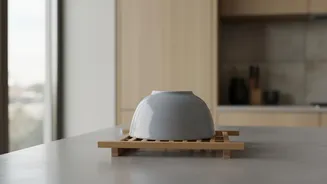
When it comes to drying, you have two main options, each with its own pros and cons. Food safety experts, including those outlining FDA guidelines, often recommend air-drying as the safest method. Placing dishes on a clean, sanitary rack with good air circulation allows them to dry thoroughly, minimizing the chance for bacteria to multiply. The main downside is that it takes time and requires counter space. Towel-drying is faster, but it comes with a major risk: cross-contamination. A dish towel that has been used to wipe hands or countertops can easily transfer germs onto your clean dishes. Studies have shown that kitchen towels are often teeming with bacteria. If you must use a towel, it is crucial that it is clean, dry, and used exclusively for drying dishes. Many experts suggest that for this reason, air-drying is the superior choice for hygiene.
The Dangers of Stacking Wet
Stacking semi-dry dishes is a common habit, but it's one worth breaking. When bowls or plates are nested together while still damp, it prevents proper airflow and traps water between them. This dark, moist, low-air environment is a paradise for bacterial growth. Even small amounts of remaining food particles can become fuel for this microbial bloom. The resulting contamination is invisible, meaning you won't know there's a problem until it's too late. Beyond health concerns, wet stacking can also damage your kitchenware over time. The moisture can cause dishes to stick together, increasing the risk of chipping or cracking when you try to separate them.
Best Practices for a Healthier Kitchen
Adopting a few simple habits can ensure your dishes are not just visually clean, but hygienically safe. First, always ensure items are completely dry before putting them away. Use a dish rack that allows for proper ventilation around each item. Make sure to clean the dish rack itself regularly, as it too can develop mildew or harbour bacteria. If you're using a dishwasher, its heated drying cycle is an effective way to sanitize and dry your bowls. For hand-washing, allowing dishes to air-dry completely is the gold standard recommended by food safety authorities. If you're short on space and must towel-dry, dedicate a stack of clean, lint-free cloths solely for this purpose and use a fresh one for each drying session.