




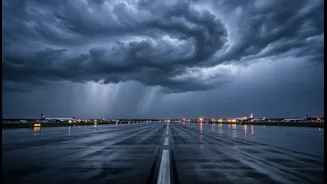



The Great Monsoon Scramble
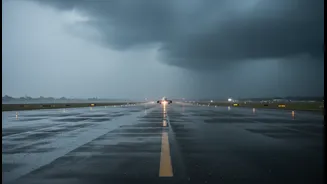
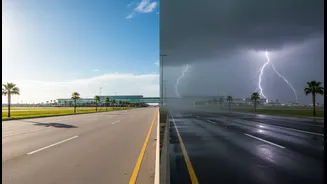
Every year, as the monsoon sweeps across India, it brings both relief from the summer heat and a dose of travel chaos. Heavy rains, strong winds, and low visibility are not just minor inconvenconveniences; they are major disruptors of air travel. As recently
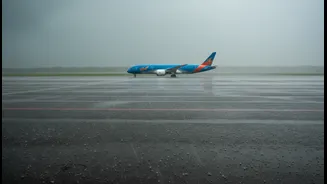
seen in early July 2026, cities like Mumbai can experience severe disruptions, with runway operations temporarily suspended, leading to a cascade of delays, diversions, and cancellations. On a single day, Mumbai's airport saw hundreds of delays and numerous cancellations due to relentless rain. This isn't an isolated incident. This pattern of disruption repeats across the country, turning airport terminals into seas of anxious faces. The domino effect is swift: a delayed flight in Mumbai can mean a missed connection in Delhi, a cancelled meeting in Bengaluru, or a holiday starting on a sour note.
From Anxiety to Asset
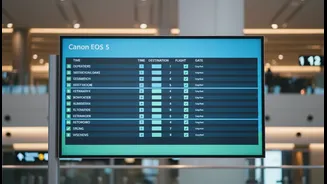
In this environment, constantly refreshing your flight status is no longer a sign of travel anxiety. It is a strategic power move. The traveller glued to their phone isn't just nervous; they're gathering intelligence. Knowing about a delay or cancellation minutes before it's announced on the departure board is the modern-day travel superpower. This is the essence of the 'flex': being so prepared that you are unfazed by disruption. The person who gets the first alert is the first to the airline counter, the first to rebook, or the first to decide to comfortably wait it out in a lounge instead of a crowded gate. While others are scrambling for information, the informed traveller is already executing Plan B. This shift turns a reactive, stressful situation into a proactive, controlled experience. It’s about leveraging information to stay one step ahead of the chaos.
Your Digital Toolkit for a Smoother Journey
Mastering the flight-status flex requires the right tools. Your first and most reliable source should always be your airline's official app and website. They offer the most direct information and allow you to manage your booking if changes occur. Airlines are now mandated by the DGCA to provide accurate, real-time information on delays via their website, SMS, and WhatsApp. For a broader view, third-party apps like Flightradar24, FlightAware, and FlightStats are invaluable. Flightradar24, for instance, provides a live map of air traffic, detailed aircraft data, and historical on-time performance. Flighty, an iOS app, even uses data to predict delays before they are officially announced. These apps often provide more context, such as tracking the inbound aircraft for your flight, giving you an even earlier warning if trouble is brewing down the line.
Beyond the Status Screen: The Expert Flex
Knowing your flight is delayed is only half the battle. The true expert flex is what you do with that information. This means knowing your passenger rights. Under DGCA guidelines, for significant delays (often over three hours), airlines may be required to offer refreshments or even meals. If a flight is cancelled, you are typically entitled to a full refund or an alternative flight. However, these compensations often don't apply to weather-related disruptions, which are considered 'force majeure' events. The real advantage of early information is operational. You can immediately contact your hotel to adjust your check-in time, reschedule airport transfers, and inform anyone waiting for you. Having a flexible itinerary with buffer time is a key strategy for monsoon travel. This preparedness transforms a potential travel nightmare into a manageable hiccup, showcasing the ultimate travel savvy.