




The Great Onam Homecoming
Onam is more than just a harvest festival; it is a time for family reunions, deeply embedded in Kerala's culture. Professionals and students working in neighbouring states like Karnataka and Tamil Nadu, as well as in major hubs like Mumbai and Delhi,
all head home to celebrate. This mass movement of people over a short period is the primary driver of the travel rush. The main festive window sees a concentrated demand for travel into Kerala, particularly from cities with large Malayali populations such as Bengaluru, Chennai, and Hyderabad. Following the main festivities, a similar rush occurs in the opposite direction as people return to their workplaces and colleges.
High-Demand Routes and Choke Points
The travel surge is most acute on specific corridors. Interstate routes from Bengaluru, Chennai, and Mysuru to central Kerala hubs like Ernakulam, Thrissur, and Kottayam are perennial choke points. Within Kerala, routes connecting the capital, Thiruvananthapuram, to the central and northern districts also experience immense pressure. This year, the peak rush is anticipated between August 21 and August 25 for inward travel, and again from August 29 to September 3 for the return leg. Despite efforts by authorities, these routes become overwhelmed, leading to sold-out tickets and significant traffic congestion on highways.
The Train Ticket Scramble
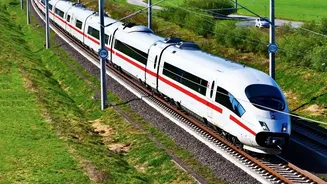
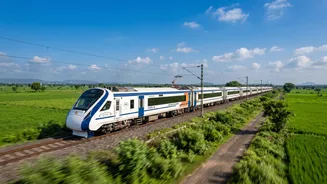
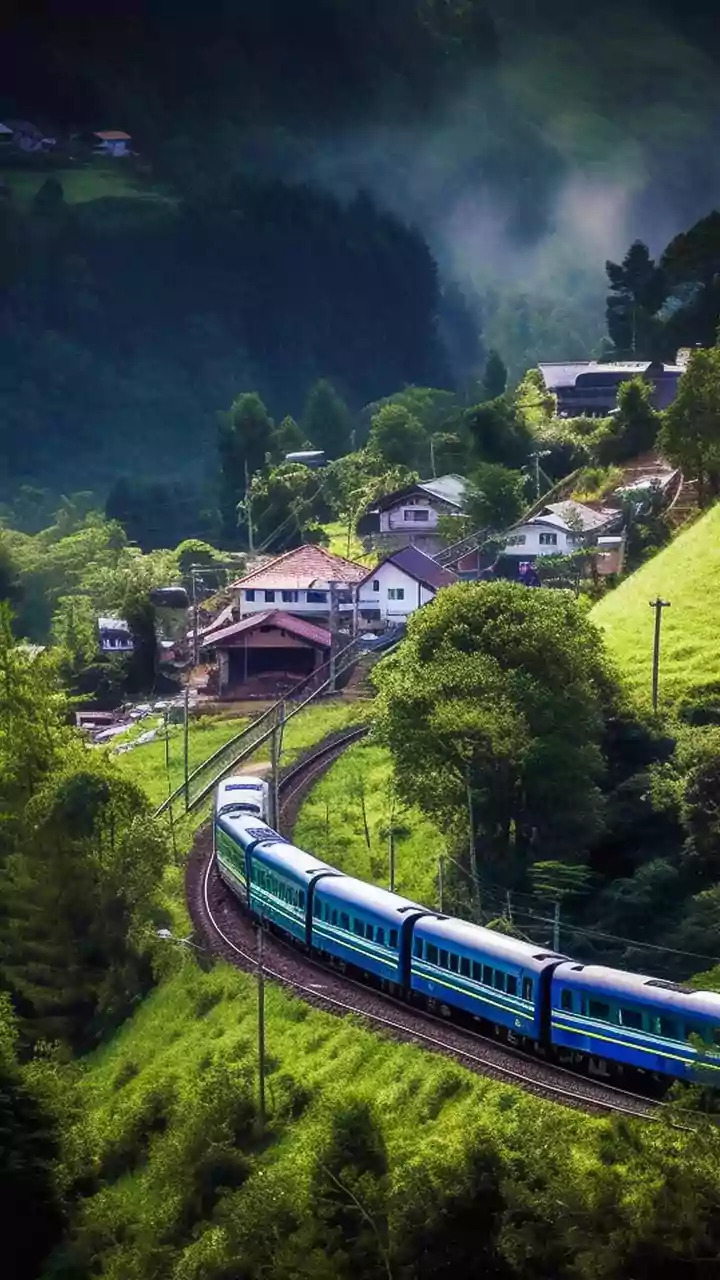
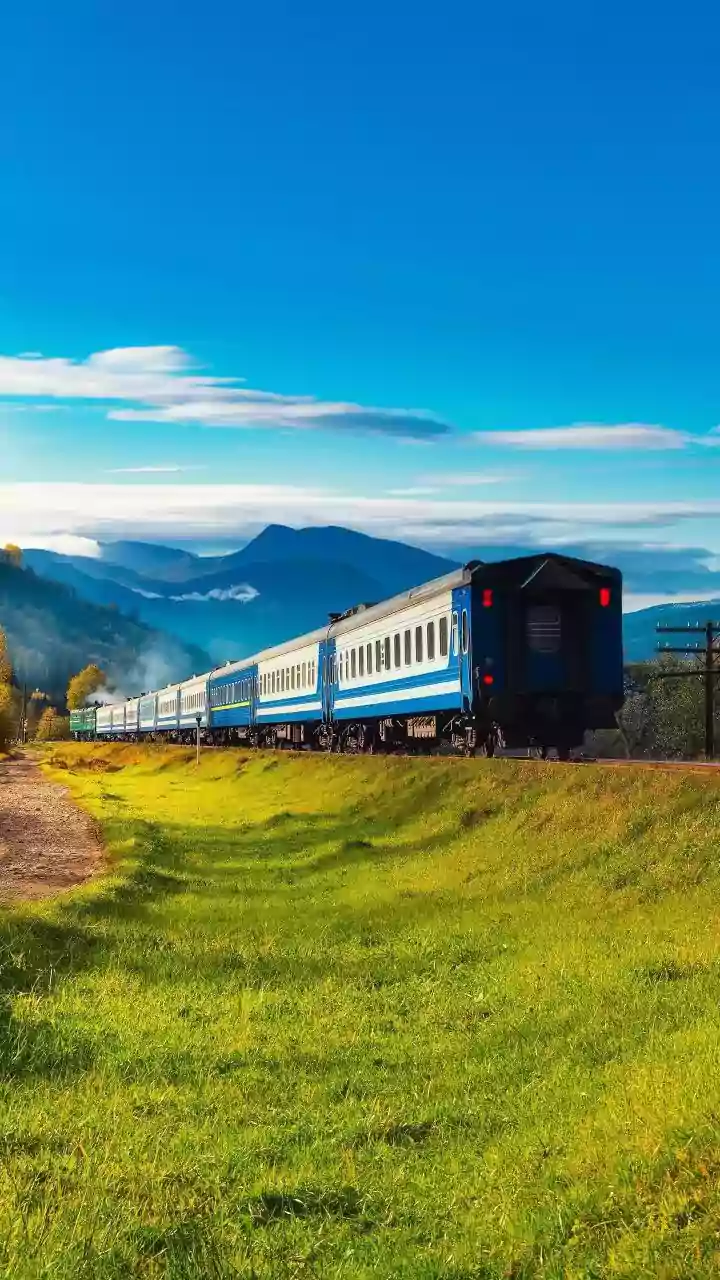
For many, trains are the preferred mode of transport, but securing a ticket during Onam is a challenge. Bookings on Indian Railways typically open 120 days in advance, and for popular Onam dates, tickets are often sold out within minutes. While Indian Railways has announced 112 special train services for the 2026 season—nearly double the number from last year—demand still far outstrips supply. Many passengers find themselves on long waitlists, even for these special services. Some travelers have also raised concerns that the schedules for these extra trains don't always align with the peak demand dates just before the main festival day.
Navigating the Bus Booking Battle
Both state-run and private bus operators ramp up services to cater to the Onam rush. The Kerala State Road Transport Corporation (KSRTC) and Karnataka's KSRTC are operating hundreds of special services from hubs like Bengaluru and Chennai. These include premium Volvo and sleeper buses, which can be booked via official websites and apps like 'Ente KSRTC Neo OPRS'. However, private bus operators are notorious for dynamic pricing, with fares skyrocketing during the festive season. A ticket from Bengaluru to a destination in Kerala, which normally costs between ₹1,000 and ₹1,800, can surge to as high as ₹6,000. Early booking is the only way to avoid these exorbitant prices.
The Sky-High Cost of Flying
Air travel offers a faster alternative, but it comes at a steep price for last-minute planners. Airlines employ dynamic pricing, and fares to airports in Kochi, Thiruvananthapuram, and Kozhikode can increase dramatically as travel dates near. For instance, a flight from Bengaluru to Thiruvananthapuram can jump from a usual fare of around ₹5,000 to over ₹10,000. The situation is even more pronounced for the return journey, especially for those traveling to the Gulf region after the holidays, with fares increasing by as much as 10 to 15 times the normal rate. Planning and booking flights several months in advance is crucial to secure a reasonable fare.
Smart Strategies for Smoother Travel
Despite the challenges, a few strategies can help manage the Onam travel rush. First and foremost, book your tickets—train, bus, or flight—as early as possible. Booking a round trip at the same time can sometimes offer discounts and saves the hassle of planning the return journey later. If your schedule allows, try to travel on weekdays before the absolute peak rush begins. Stay updated through official channels like the KSRTC website or the Southern Railway's announcements for any additional services. For those driving, starting early in the morning can help avoid major traffic bottlenecks on national highways. Local authorities in cities like Kozhikode and Kollam often implement special traffic regulations during this period, so being aware of these can also help navigate city roads more efficiently.