







What is Quick Commerce?
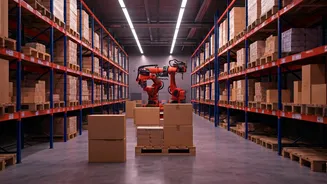
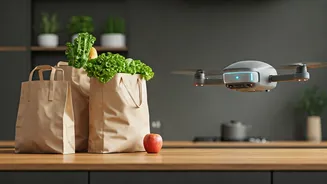
Quick commerce, or q-commerce, is the next evolution of e-commerce, built on the promise of ultra-fast delivery—typically within 10 to 30 minutes. [4] This model relies on a network of 'dark stores,' which are small, strategically located warehouses in dense
neighbourhoods, exclusively for fulfilling online orders. [7] Instead of customers visiting a store, the store essentially comes to them in minutes. What started with groceries and staples has quickly grown, driven by changing consumer lifestyles, rising smartphone penetration, and a demand for convenience. [2] The Indian market, valued at over $5.9 billion in 2026, has seen explosive growth, making it a structural part of the country's digital shopping landscape. [2, 3]
The Titans of 10-Minute Delivery
The Indian quick commerce space is dominated by a few major players. Zomato-owned Blinkit leads the pack, commanding a significant market share and setting the benchmark for delivery speed. [4, 6] Following closely are Swiggy's Instamart and the standalone contender Zepto, which together with Blinkit, control over 85% of the market. [6] These platforms have become household names, transforming consumer expectations. More recently, giants like Flipkart (with Flipkart Minutes) and Amazon (with Amazon Now) have intensified their focus on this segment, leveraging their existing logistics networks and large customer bases to scale up rapidly. [13, 17, 22] This increased competition signals a new phase in the battle for India's instant delivery market. [17]
Beyond the Metros: The New Frontier
While quick commerce was born in India's Tier-1 metros, its next wave of growth is happening in Tier-2 and Tier-3 cities. [5] Players like Blinkit and Swiggy Instamart are aggressively expanding their dark store networks into cities such as Jaipur, Lucknow, Coimbatore, Kanpur, and Udaipur. [12, 15, 20] This expansion is driven by several factors. Operating costs like rent and wages are lower in smaller cities, meaning a store can break even with fewer daily orders—around 800 compared to 1,300 in a metro. [15, 20] Furthermore, these platforms offer a much wider selection of products than local grocers, attracting aspirational consumers in emerging urban centres. [15] As a result, one in four new users for services like Instamart now comes from these smaller cities, marking a shift from a premium to a mainstream service. [15]
More Than Just Groceries
The business is no longer just about delivering milk and bread. To increase order values and improve margins, platforms are rapidly expanding into high-margin categories. [13] Electronics and accessories are projected to be the fastest-growing segment. [3] Consumers can now get everything from beauty products and personal care items to apparel and even small home appliances delivered in minutes. [6, 13, 23] This category expansion is crucial for profitability, turning quick commerce into an "everything, everywhere" model. [16] By 2030, non-grocery items like fashion and electronics could account for 45% of quick commerce spending, creating a massive opportunity. [14]
The Billion-Dollar Question: Is It Profitable?
Despite its explosive growth, the path to profitability for quick commerce is steep. [8] The model is capital-intensive, requiring heavy investment in dark stores, technology, and marketing. [6, 23] For a long time, the industry operated on a "burn-it-till-you-make-it" strategy, using deep discounts to acquire customers. [8, 21] However, the focus is now shifting from aggressive expansion to achieving positive unit economics. [7] Companies are monetizing through delivery fees, advertising on their platforms, and pushing their own private-label products. [7] While some players like Blinkit have shown signs of operational profitability, rising competition from giants like Amazon and Flipkart could slow this progress by increasing pressure on margins and delivery costs. [17]