

Why Humidity Matters More Than You Think
To understand why humidity is so important, we need to look at a process called transpiration. Plants absorb water through their roots and transport it up to their leaves. Tiny pores on the leaves, called stomata, then release this water as vapor into
the air. This process is essential for pulling nutrients up from the soil and cooling the plant. When the surrounding air is dry, transpiration speeds up, causing the plant to lose moisture more quickly. Think of it like a towel drying faster on a dry, windy day. Conversely, when the air is humid, the rate of transpiration slows down because the air is already saturated with moisture. This means the plant loses less water through its leaves and, as a result, needs to draw less water from the soil to stay hydrated. By managing the humidity around your plants, you can directly influence their water consumption.
Which Plants Benefit Most?
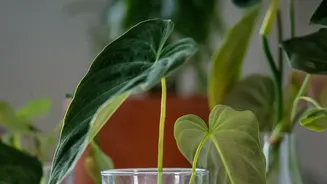
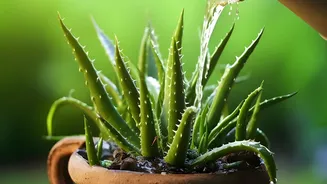
While most common houseplants appreciate a little humidity, some crave it more than others. The biggest beneficiaries are typically tropical plants that evolved in naturally humid rainforest environments. These include popular choices like ferns, Calatheas (prayer plants), Monsteras, philodendrons, and orchids. For these plants, the dry air found in most centrally heated or air-conditioned homes can be stressful. On the other hand, plants from arid environments, such as succulents and cacti, have adapted to conserve water in dry conditions and do not require high humidity. In fact, too much moisture in the air can be detrimental to them, potentially leading to fungal issues. Knowing your plant's origin is key to understanding its humidity needs.
Is Your Home Too Dry for Your Plants?
Plants have several ways of telling you they are suffering from a lack of humidity. The most common sign is the appearance of brown, crispy tips or edges on their leaves. This happens because the leaves are losing moisture faster than the roots can supply it. You might also notice leaves beginning to curl inward or downwards, which is the plant's attempt to reduce its surface area and conserve water. In some cases, slow or stunted growth can also be a symptom, as the plant is using all its energy just to stay hydrated. It is important to note that these symptoms can sometimes mimic signs of under-watering, so it's always a good idea to check the soil moisture before adding more water.
Simple, Low-Cost Humidity Hacks
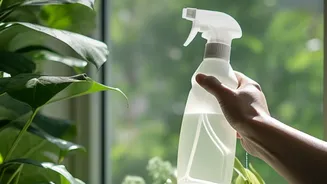
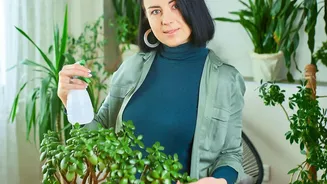
You don't need expensive equipment to raise the humidity for your plants. One of the easiest methods is to simply group them together. As plants transpire, they release moisture into the air, creating a more humid microclimate for each other. Another popular technique is to use pebble trays. Place your plant pot on a tray filled with pebbles and water, ensuring the bottom of the pot is sitting on the pebbles and not directly in the water. As the water evaporates, it will increase the humidity around the plant. Regularly misting your plants with a spray bottle can provide a temporary boost, though the effects are short-lived. For a more significant effect, you can place open containers of water near your plants or move humidity-loving plants to naturally steamy rooms like the bathroom or kitchen, provided they have adequate light.
When to Consider a Humidifier
For serious plant collectors or those with particularly sensitive tropicals, a humidifier is the most effective and reliable way to control indoor humidity. While it's an investment, it takes the guesswork out of maintaining a consistent environment. Most houseplants are comfortable with a relative humidity of 40% to 60%, a range that is also comfortable for people. Using a small hygrometer (a device that measures humidity) can help you monitor the levels in your home and adjust accordingly. In dry winter months when home heating systems are running, humidity can drop significantly, making a humidifier especially beneficial. By providing this optimal environment, you not only support healthier foliage and growth but also reduce the plant's overall stress, making it more resilient.