








What is Food Fortification?
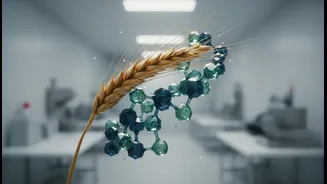
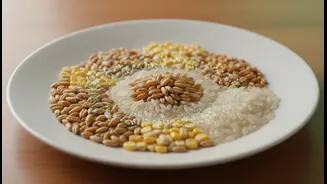
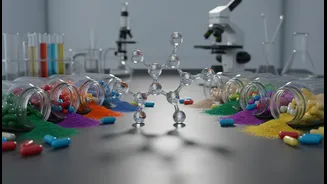
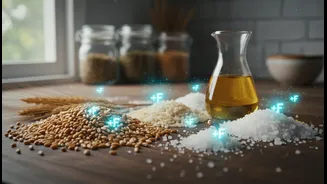
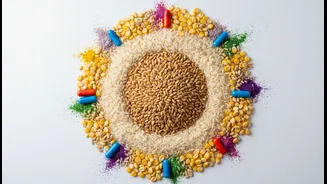
At its core, food fortification is the process of deliberately adding essential micronutrients like iron, iodine, folic acid, and vitamins A & D to staple foods. Think of it as a nutritional top-up for items that a large part of the population consumes
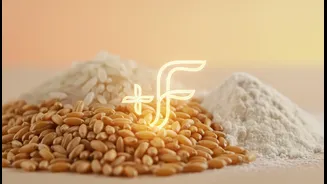
daily. In India, the focus is on staples like rice, wheat flour, salt, milk, and edible oil. This strategy, regulated by the Food Safety and Standards Authority of India (FSSAI), aims to improve the nutritional quality of the food supply and deliver a public health benefit with minimal need for people to change their eating habits. The fortified products are often identifiable by a '+F' logo.
The Promise: A Silver Bullet for Hidden Hunger?
Proponents view fortification as a scientifically proven, cost-effective, and scalable weapon against 'hidden hunger'—widespread micronutrient deficiencies that can cause serious health issues like anaemia, goitre, and birth defects. With a significant portion of India's women and children suffering from anaemia, fortification is presented as a rapid way to deliver essential nutrients like iron and folic acid to millions through public programs like the Public Distribution System (PDS) and Mid-Day Meals. The strategy has a successful history; iodized salt, for instance, dramatically reduced goitre in India. The core argument is simple: if people aren’t getting enough nutrients from their diverse diet, why not add it to the food they are already eating?
The Concerns: A Panacea or a Problem?
However, a growing chorus of scientists and activists raises significant concerns. A key ethical issue is that mandatory fortification is a blunt tool, treating the entire population—both deficient and sufficient—the same. This creates a risk of 'hypervitaminosis', or toxic excess of certain nutrients, especially for individuals who already have a healthy diet or take supplements. This is particularly worrisome for fat-soluble vitamins like A, D, E, and K, which the body stores. Critics also argue that some evidence for the effectiveness of fortification, particularly of iron in rice for combating anaemia, is weak or inconclusive based on major scientific reviews.
Changing the Meaning of Food
The debate goes beyond nutrient levels. Fortification fundamentally changes the role of staple foods, turning them from sources of sustenance and culture into vehicles for delivering pharmaceutical-grade nutrients. Critics argue this approach medicalizes food and distracts from the root causes of malnutrition: a lack of dietary diversity, poverty, and poor access to a variety of fresh, whole foods like vegetables, fruits, and proteins. There are also economic concerns that mandatory fortification could favour large multinational corporations that produce micronutrient premixes over smaller, local food producers who may struggle with the technology and costs.
The Path Forward: A Question of Balance
Food fortification is not a silver bullet, but a powerful tool with significant trade-offs. Its supporters believe it is a safe and necessary complementary strategy, especially given the slow progress in improving dietary diversity. The FSSAI maintains that its standards for fortification are set safely, considering Indian dietary patterns to provide 30-50% of the recommended daily allowance. However, critics argue for more caution, emphasizing the need for robust, independent evidence, clear targets for when to roll back programs, and a greater focus on promoting diverse, natural diets as the truly sustainable solution to malnutrition. This makes ongoing monitoring and public awareness crucial as the policy expands.