







An Unwanted Seasoning
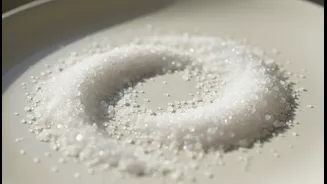
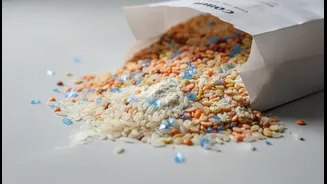
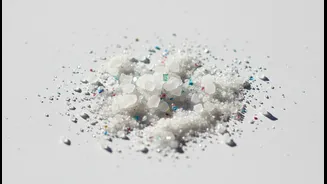
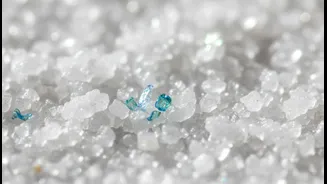
Recent studies have uncovered a disquieting truth about two of the most common ingredients in Indian kitchens: salt and sugar. Research from organisations like Toxics Link has found that microplastics—tiny plastic particles less than 5mm in size—are present
in virtually all tested brands of salt and sugar in India, regardless of type or price point. These particles, originating from the breakdown of larger plastic waste, have contaminated our oceans, soil, and water systems. As a result, they are infiltrating the food chain. Sea salt, for example, can become contaminated as seawater evaporates, leaving the plastic fragments behind. Even rock salt is not immune, as contamination can occur during processing and packaging. For sugar, microplastics can be introduced during industrial processing or from plastic-based agricultural materials used in farming.
The Clean-Eating Philosophy
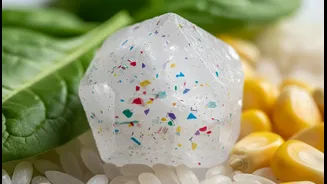
The clean-eating movement is built on a simple philosophy: consuming food in its most natural state. Practitioners focus on whole, unprocessed ingredients, avoiding artificial preservatives, colours, flavours, and other additives. For this growing community in India, the discovery of plastic—an industrial pollutant—in basic ingredients like salt and sugar is fundamentally at odds with their principles. The movement isn't about dieting but about awareness and choosing foods that are nourishing and free from synthetic contaminants. The presence of microplastics represents a hidden adulteration that undermines the very definition of 'clean' food, pushing adherents to demand higher standards and greater accountability from food producers.
Uncertain Health Risks
The long-term health impact of ingesting microplastics is a major area of scientific investigation. While research is still evolving, initial studies in animals and human cells have raised concerns. Scientists are investigating potential links to inflammation, a disrupted immune system, and metabolic changes. Microplastics can also act like sponges, absorbing and carrying other harmful chemicals like pesticides and heavy metals, which may then be released into the body. Furthermore, some plastics contain additives like BPA and phthalates, known as endocrine disruptors, which can interfere with the body's hormonal systems. While definitive conclusions about the direct danger to humans are pending, the presence of these particles in our organs, blood, and even placentas is a source of significant concern.
The Call for Certification
In response to these concerns, a vocal segment of consumers is demanding more than just brand promises. They are calling for independent, third-party certification to verify that products are 'microplastic-free'. The idea is to create a clear, trustworthy label that allows shoppers to identify and choose products that have been tested and meet specific standards for purity. This push for certification is about establishing transparency in the food supply chain. A study by Toxics Link highlighted the scale of the problem, finding that all 15 leading salt and sugar brands tested in India contained microplastics. The highest concentrations were often found in processed iodised salt, while organic rock salt had the lowest, suggesting that sourcing and processing methods matter.
Is a Plastic-Free Pantry Possible?
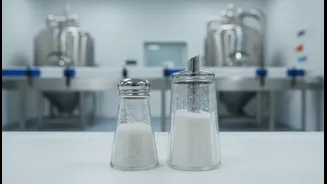
Achieving a 'microplastic-free' status is challenging. It requires a comprehensive approach, from protecting raw material sources from environmental pollution to overhauling processing and packaging methods. Currently, plastic packaging itself can be a source of contamination. The Food Safety and Standards Authority of India (FSSAI) has acknowledged the threat, launching a project in 2024 to develop validated methods for detecting microplastics and understanding their prevalence in the Indian food supply. This is a critical first step towards setting regulatory standards. For now, consumers concerned about microplastics are often advised to choose products with less processing and packaged in non-plastic materials like glass. The demand for certification aims to push the entire industry toward solutions, making safer products accessible to everyone, not just the most diligent label-readers.