



Understanding the Gut Microbiome
Think of your gut as a bustling city of trillions of microorganisms, including bacteria, yeasts, and viruses. This community, known as your gut microbiome, is crucial for digestion, immune function, and even mood. Probiotics are the 'good guys' in this
city—live beneficial bacteria that help maintain a healthy balance. When this balance is disrupted, it can lead to digestive issues and other health problems. Fermented foods are a natural source of these helpful probiotics, which is why they have become so popular for supporting overall wellness.
What Exactly is Kombucha?
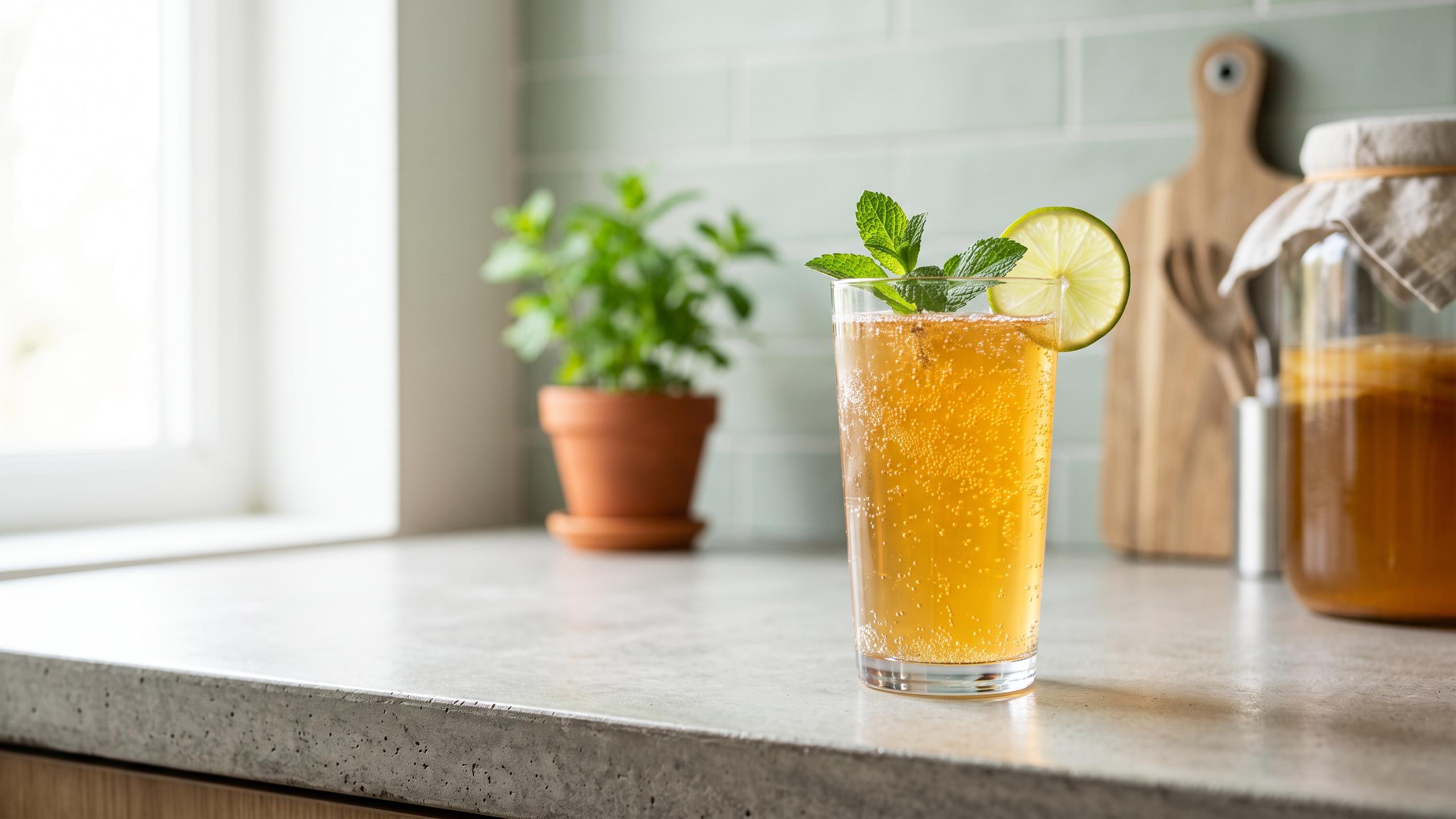
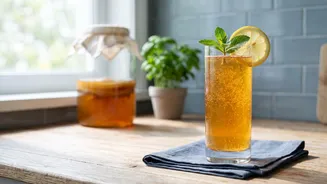
Kombucha is a fermented drink made from just four simple ingredients: tea, sugar, water, and a SCOBY. SCOBY stands for 'Symbiotic Culture of Bacteria and Yeast'. This rubbery, pancake-like disc is the living heart of the brew. During fermentation, the SCOBY consumes the sugar and transforms the sweet tea into a tangy, slightly effervescent beverage packed with organic acids, B vitamins, and, most importantly, a diverse array of live microorganisms. Recent studies have shown that daily kombucha consumption can shift the gut's bacterial makeup toward more beneficial species.
The Homemade Advantage
While store-bought kombucha is convenient, brewing it at home gives you complete control over the process. You can adjust the sweetness, fermentation time, and flavor to your liking. Commercial kombuchas are sometimes pasteurized to extend shelf life, a process that kills the very probiotics you're seeking. Homemade kombucha, when brewed correctly, is unpasteurized and teeming with fresh, live cultures. Furthermore, many commercial brands add extra probiotic strains after fermentation, whereas a homemade brew offers a more natural, albeit variable, ecosystem of bacteria and yeast.
A Simple Guide to Your First Brew
Getting started is less intimidating than it seems. You'll need a large glass jar, brewed black or green tea, cane sugar, and a SCOBY with some starter liquid from a previous batch. The process is straightforward: dissolve sugar in hot tea, let it cool completely, then add your SCOBY and starter tea. Cover the jar with a breathable cloth and let it ferment in a dark, warm spot for 7 to 21 days. The longer it ferments, the more vinegary it will taste as the SCOBY consumes the sugar.
Brewing Safely is Key
Safety is the most critical aspect of home-brewing. The primary risks are mold and contamination from harmful bacteria. To prevent this, always start with sterilized equipment, particularly your glass jar and utensils. Using soap can harm the SCOBY, so clean with hot water and distilled white vinegar instead. The starter liquid is also vital because its acidity lowers the brew's initial pH, creating an environment that's hostile to mold and other pathogens. If you see any fuzzy, colorful spots on your SCOBY, discard the entire batch and start over.
Flavoring For Fizz and Fun
Once your initial fermentation is complete, you can move on to a second fermentation to add carbonation and flavor. This involves bottling the kombucha with a small amount of fruit juice, puree, or herbs. The residual yeast will consume the new sugars, creating natural carbonation. This is where you can get creative with combinations like ginger-lemon or berry-mint. Just be sure to use bottles designed for pressure and 'burp' them daily to release excess gas and prevent explosions.