
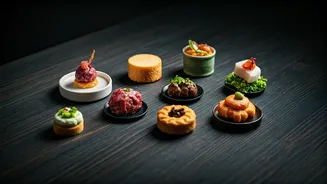


Moving Beyond the Monolith
For years, the vast, complex tapestry of Indian cuisine was flattened into a handful of North Indian and Mughlai dishes in most urban restaurants. Whether you were in Delhi, Mumbai, or Bengaluru, the menu often felt predictably uniform. This culinary
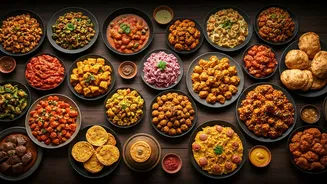
landscape, however, is undergoing a vibrant transformation. A growing wave of chefs and restaurateurs is championing a new philosophy: celebrating India's true gastronomic diversity. They are moving beyond the generic to offer hyper-regional specialities, showcasing the distinct culinary identities of states like Nagaland, Kerala, Rajasthan, and Bengal all under one roof. This shift is driven by a diner who is more curious, well-travelled, and eager to explore authentic flavours that tell a deeper story.
A Culinary Map of India
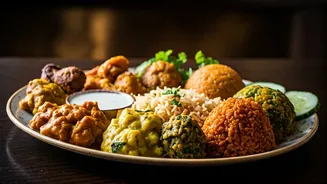
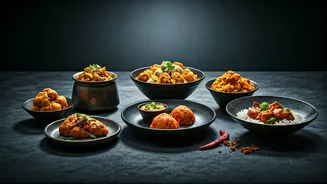
What makes a multi-regional menu so enriching is that it serves as an edible map of India's diverse geography and culture. Each dish is a product of its 'terroir'—the unique combination of local climate, soil, and traditions. A coastal dish from the Konkan region, for instance, might feature fresh seafood with coconut and tangy kokum, while a curry from the mountains of Himachal Pradesh could be defined by its use of local herbs and slow-cooking techniques. By presenting dishes like a smoky Naga pork, a spicy Chettinad chicken curry, or a subtle Rajasthani dal baati churma on the same menu, restaurants allow diners to traverse landscapes and flavour profiles in a single meal. This approach highlights that there isn't one 'Indian curry' but hundreds of variations, each with its own history and reason for being.
The Chef as a Storyteller
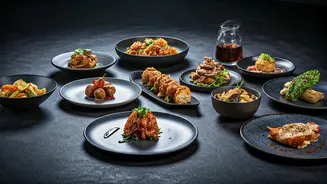
This trend is being spearheaded by chefs who see themselves as culinary archivists and storytellers. Many are travelling to remote villages, learning from home cooks, and resurrecting forgotten recipes to bring them into the modern fine-dining space. Their goal is not just to cook, but to educate and preserve India's rich culinary heritage. By curating menus that feature hyperlocal delicacies, they challenge the mainstream perception of Indian food and elevate regional specialities to a premium dining experience. This meticulous research and passion are what transform a meal into an immersive cultural experience, where every dish on the menu has a backstory.
An Adventure for the Palate
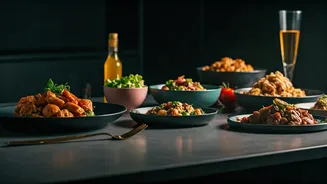
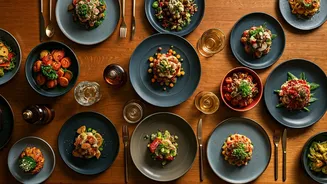
For the diner, the benefits are immense. A diverse menu encourages exploration and turns a simple meal into an adventure. Instead of ordering the same old favourites, customers are tempted to try something new and unfamiliar, sparking conversation and creating a more memorable experience. Social media also plays a role, as food bloggers and Instagrammers introduce audiences to lesser-known regional dishes, driving demand for more varied options. Furthermore, these menus cater to a wider range of dietary preferences, often featuring healthier, traditional cooking methods and indigenous ingredients like millets, which are gaining popularity among health-conscious consumers. This variety ensures that there is something for everyone, making the dining experience more inclusive and exciting.