



Start With a Proper Warm-Up
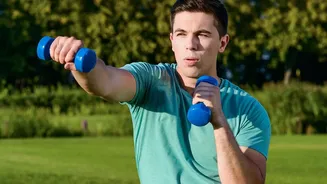
Before you jump into the main workout, it's essential to prepare your body and prevent injuries. Start with five to ten minutes of light cardiovascular activity. A brisk walk or jog around the park is a perfect way to get your heart rate up. Follow this
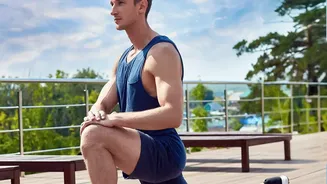
with dynamic stretches like arm circles, leg swings, and torso twists. This will increase blood flow to your muscles and improve your range of motion, ensuring your body is ready for the exercises to come.
The Park Bench: Your All-in-One Station
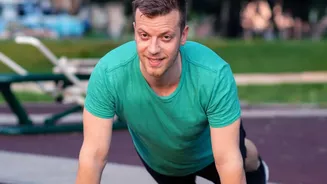
The humble park bench is one of the most versatile pieces of equipment available. For a great upper body workout, use it for incline or decline push-ups. Place your hands on the bench for an easier incline version, or put your feet on the bench for a more challenging decline variation. You can also perform tricep dips by facing away from the bench, placing your hands on the edge, and lowering your body. Finally, don't forget your legs; benches are perfect for step-ups or box jumps to build explosive power.
Monkey Bars: More Than Just Child's Play
Monkey bars are fantastic for building upper body and grip strength. The most classic exercise is the pull-up or chin-up. If a full pull-up is too difficult, simply hanging from the bar (a 'dead hang') is an excellent way to build foundational strength and decompress your spine. You can also work your core by performing hanging knee raises: while hanging, engage your abs to lift your knees toward your chest. For a different challenge, try moving laterally from one side of the bars to the other.
The Swings: A Core-Strengthening Secret
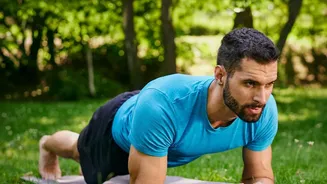
Swings introduce an element of instability that forces your core muscles to work overtime to keep you balanced. Try an ab rollout or plank by placing your feet in the seat of the swing and your hands on the ground in a plank position. From here, you can hold a plank, do push-ups, or pull your knees toward your chest for a 'knee tuck' exercise that targets your lower abs. You can also perform split squats by placing your back foot on the swing's seat, which challenges your balance and leg strength simultaneously.
Open Space: Bodyweight Basics
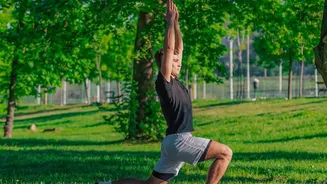
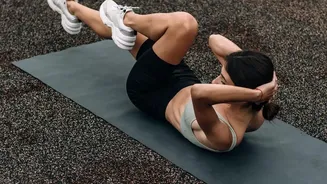
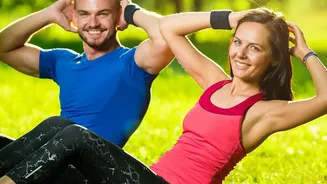
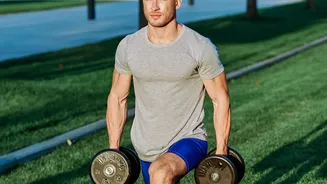
Don't overlook the power of using open grass or pavement for classic bodyweight exercises. Find a clear spot to perform foundational movements like bodyweight squats, walking lunges, and glute bridges. These exercises require no equipment at all and are crucial for building a strong lower body and stable core. For an added cardio burst, incorporate jumping jacks or sprints between your strength sets to keep your heart rate elevated and maximize your calorie burn.
Always End with a Cool-Down
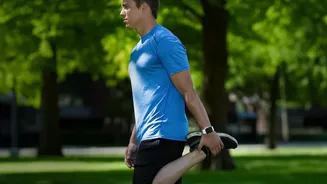
After your final set, take five to ten minutes to cool down and allow your body to recover. A slow walk will help bring your heart rate down gradually. Follow this with static stretching, holding each stretch for 20-30 seconds without bouncing. Focus on the major muscle groups you worked, such as your chest, back, arms, and legs. Stretching helps improve flexibility and can reduce muscle soreness in the days following your workout.